When employees are left to navigate disconnected care on their own, health care becomes more difficult and often more costly. Reducing fragmentation can help employers and plan sponsors get greater value from their health benefit investments while…
When employees are left to navigate disconnected care on their own, health care becomes more difficult and often more costly. Reducing fragmentation can help employers and plan sponsors get greater value from their health benefit investments while making it easier for employees and their families to access the care and support they need.
Toggle Search Form
News and Insights
=================
Oct 9, 2026
Health care costs continue to rise, driven by forces ranging from chronic disease to higher prescription drug and hospital costs. Another challenge cuts across nearly every part of the U.S. health care system: fragmentation. Fragmentation occurs when providers, health plans, pharmacies, and other organizations operate in silos. Disconnected care is how people experience that fragmentation – when information and services do not work together and they are left to coordinate their care on their own.
Too often, people move between doctors, pharmacies, benefits programs, and support services that don’t work together as seamlessly as they should. Information doesn’t always follow them, and the next step isn’t always clear. As a result, individuals are frequently left navigating the fragmented U.S. health care system on their own. The impact goes far beyond inconvenience.
Disconnected care contributes to duplicative services, gaps in follow-up care, avoidable complications, higher costs, and missed opportunities to intervene earlier, when care is often more effective and less expensive. It can also create stress and uncertainty at the moments when people need support most. Research suggests poor care coordination contributes to $27 billion to $78 billion in unnecessary spending This link will open in a new tab.
across the U.S. health care system each year.
For employers, the challenge shows up in both health care costs and workforce productivity. Fragmented care can contribute to unnecessary spending, delays in care, avoidable complications, and less effective use of health benefits. At the same time, employees spend valuable time navigating appointments, understanding coverage, managing medications, and determining next steps instead of focusing on their health, work, and daily lives.
At a glance
- What it is: Fragmentation occurs when different parts of the health care system – including providers, benefits, pharmacy services, and support programs – do not consistently share information or work together. Disconnected care is the experience that can result, leaving people to navigate gaps, repeat information, and coordinate care on their own.
- What it costs: Time, stress, avoidable spending, and, sometimes, health.
- Why it matters: Nearly one-third of U.S. health care spending is considered inefficient, and fragmentation contributes to unnecessary utilization, avoidable complications, and missed opportunities to deliver care more efficiently.
- What helps: A more connected care experience, where relevant information, benefits, and clinical expertise work together around the person. Treating providers remain responsible for diagnosis and treatment decisions.
- Who benefits: Consumers get a simpler experience and more informed support. Employers can reduce avoidable costs, improve workforce health and productivity, and maximize the value of their health benefit investments.
What does disconnected care look like?
For many people, health care does not feel like one system. It feels like a series of separate interactions. A person may:
- See multiple providers who don’t have access to the same information
- Repeat their medical history at every appointment
- Manage prescriptions across providers
- Receive duplicative tests or services
- Experience gaps in follow-up care
- Struggle to understand what to do next after a diagnosis or hospital stay
When that happens, people become the connection point across a complex system. Instead of focusing on getting well, recovering from an illness, or managing their health, they spend time navigating providers, managing information, deciphering their coverage, and deciding next steps on their own.
These disconnects create more than frustration. They can contribute to avoidable spending, delayed care, duplicative services, and missed chances to provide support earlier. They also place additional burdens on people during moments when they may already be dealing with uncertainty, a new diagnosis, or complex health needs. The result is a health care system that can feel more complicated, less connected, and more costly for people, employers, and the broader system.
The cost of disconnection

Sources: JAMA This link will open in a new tab.
, Health Affairs Brief This link will open in a new tab.
, American Journal of Managed Care This link will open in a new tab.
The burden is greatest for people with chronic or complex needs. Cigna Healthcare’s white paper, Understanding the Health Care Affordability Challenge This link will open in a new tab.
, explores five factors driving affordability pressures and how employers can respond.
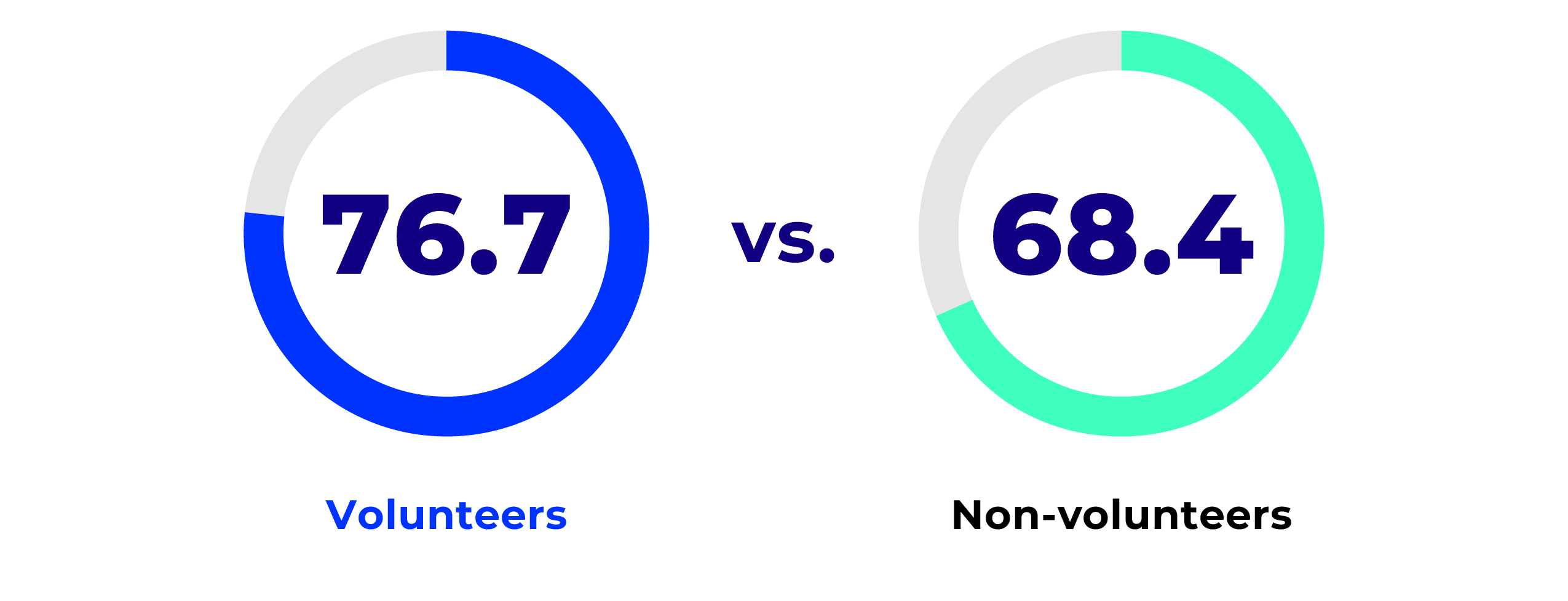
The paper found that, among people with chronic conditions, fragmented care was associated with a 9.1% rate of preventable hospitalizations This link will open in a new tab.
, compared with 7.1%, and more than $4,500 in additional annual spending This link will open in a new tab.
per patient – without corresponding improvements in outcomes.
The same research base also links greater fragmentation with higher odds of reported care-coordination gaps and adverse events This link will open in a new tab.
. For employers, those challenges contribute to higher health care costs, greater workforce disruption, and less value from health benefit investments. When care is delayed, duplicated, or poorly difficult to navigate, both people and organizations feel the impact.
People with complex needs often bear the greatest burden
People with complex needs often face the greatest challenges, because their care is often the hardest and most costly to manage. They may rely on multiple providers, medications, and support programs across medical, behavioral, and pharmacy care. When information is fragmented and decisions are made without a complete view of the person, it can be harder to recognize emerging needs, understand options, and identify the right path forward.
The importance of earlier support is especially clear for people with complex conditions. Cigna Healthcare’s clinical programs have helped identify likely breast, colorectal, and lung cancer diagnoses earlier, creating opportunities to connect people to care and support sooner.
People facing cancer or cardiometabolic conditions often have some of the most complex care journeys. They may need to coordinate among primary care physicians, specialists, pharmacies, benefits resources, and support programs while managing important treatment and lifestyle decisions. When those connections are not seamless, the burden often falls on the individual and their family.
Research from the Evernorth Research Institute found that cancer diagnoses and costs are rising among working-age adults This link will open in a new tab.
, while progression of cardiometabolic conditions can increase total cost of care by at least 42% in a single year This link will open in a new tab.
. These are also areas where people are often navigating multiple providers, services, and decisions, making coordination and connected support especially important.
Hidden costs show up in time, stress, spending, and health
When information, services, and care teams are not connected, the impact extends well beyond the point of care. Fragmentation can cost people time, create stress, increase spending, and contribute to poorer health outcomes.

*Source: American Academy of Physician Associates This link will open in a new tab.
, BMC Health Services Research This link will open in a new tab.
A more connected experience can reduce friction across the health journey
A more connected care experience means relevant information, benefits, services, and support work together on each person’s behalf. By reducing unnecessary friction, duplication, and delays, a more connected experience can help people access appropriate care sooner and support more efficient use of health care resources.
Technology and information alone are not enough. Clinical expertise is essential to interpreting what information means and deciding how best to support each person. Physicians, nurses, pharmacists, behavioral health specialists, care managers, and other trained professionals can use better context to have more informed conversations, recognize potential needs earlier, and help people understand their options and next steps.
For example, after a serious diagnosis, a person may need more than information about a condition. They may also need help understanding benefits and potential costs, preparing for appointments, managing medications, connecting with clinical support, and determining what to do next. A more connected experience can help bring those pieces together, while treating providers remain responsible for diagnosis and treatment decisions.
We see the impact of this approach in our own programs. Customers who engage early with Cigna Healthcare case management support experience a 42% reduction in avoidable inpatient stays, while engaged customers reduce medical costs by approximately $2,000 per year on average. These results highlight the potential value of earlier intervention, clinical expertise, and more coordinated support for people with complex health needs.
A more connected care experience can help:
- Bring relevant health, care, benefit, and cost information together
- Give clinical and service teams better context when supporting an individual
- Reduce the need for people to repeat information or start over
- Help identify potential needs, care gaps, or barriers earlier
- Provide clearer, more personalized guidance about available options
- Make it easier for people to understand and act on an appropriate next step
For consumers, this can mean a simpler experience, fewer gaps, more personalized support, greater confidence navigating their health and benefits, and more time focused on their health rather than managing the health care system.
For employers, better-connected information, services, and support can help reduce avoidable spending, support earlier intervention, improve benefit utilization, and maximize the value of health care investments. The results contribute to a healthier and more productive workforce, a better employee experience, and a greater return on benefit dollars.
Improving affordability starts with reducing friction
The drivers of health care costs are complex, and meaningful progress requires collaboration across the health care system. But one reality is increasingly clear: when people are forced to coordinate their own care, they feel less satisfied with the health care system and often experience unexpected costs.
Progress must show up in the moments that affect both cost and experience: transitions between care settings, coordination between medical and pharmacy care, and the operational steps that help people access recommended care. When relevant information, clinical expertise, and support services are better connected, people can get help sooner, make more informed decisions, and spend less time navigating disconnected experiences.
Reducing disconnected experiences won’t solve every affordability challenge, but it is one of the clearest opportunities to remove unnecessary costs from the system while improving the experience people have when seeking care. For employers, that means a greater opportunity to improve workforce health, enhance the value of health benefits, and reduce the avoidable costs that can result when care is delayed, duplicated, or difficult to navigate.
When care works together around the person, health care becomes easier to navigate, more affordable, and better equipped to help people get the support they need to achieve better health.
Frequently asked questions
What is disconnected care?
Disconnected care occurs when relevant health information, benefits, pharmacy services, clinical support, and care experiences operate separately rather than working together around the person. Individuals are left to connect those pieces. A disconnected health care experience is the result of fragmentation.
What does a disconnected health care experience feel like?
People may have to repeat the same information, search across different sources for answers, coordinate among providers and services, manage prescriptions and benefits, and determine what support is available. That can leave them uncertain about what to do next during difficult moments.
What are the costs of fragmented care?
Fragmented care creates costs across the health care system. People pay in time and stress: U.S. adults spend about eight hours each month This link will open in a new tab.
managing information, navigating providers, understanding coverage, and determining next steps. Employers pay through duplicative services, unnecessary utilization, avoidable complications, and reduced workforce productivity. Poor care transitions alone are estimated to contribute $25 billion to $45 billion annually This link will open in a new tab.
in avoidable complications and unnecessary readmissions.
Who is most affected by fragmented care, and how can it affect health?
The burden can affect anyone but is especially significant for people with chronic or complex needs who often face the greatest burden because they may rely on multiple providers, medications, and support programs across medical, behavioral, and pharmacy care. People who experience more fragmented care have 61% higher odds of adverse events This link will open in a new tab.
they attribute to poor coordination.
How can a connected health care experience help people and employers?
A more connected experience brings relevant health, pharmacy, benefit, and cost information together around the person. It can make support more personalized, reduce the need to repeat information, identify needs earlier, and provide clearer guidance about available options. For employers, that can help reduce avoidable costs, improve the value of health benefits, and support a healthier, more productive workforce.
Sources
-
Shrank WH, Rogstad TL, Parekh N. Waste in the U.S. Health Care System: Estimated Costs and Potential for Savings_._ JAMA. Oct. 15, 2019.
-
Agarwal R, Liao JM, et al. Care Fragmentation, Quality, and Costs Among Chronically Ill Patients. American Journal of Managed Care. May 14, 2015.
-
Kern LM, Lau JD, Rajan M, et al. Associations among claims-based care fragmentation, self-reported gaps in care coordination, and self-reported adverse events. BMC Health Services Research. Sep. 10, 2024.
-
Kern LM, Bynum JPW, Pincus HA. Care Fragmentation, Care Continuity, and Care Coordination – How They Differ and Why It Matters. JAMA Internal Medicine. Mar. 1, 2024.
-
Agha L, Frandsen B, Rebitzer JB. Causes and Consequences of Fragmented Care Delivery: Theory, Evidence, and Public Policy. National Bureau of Economic Research Working Paper. Jan. 2017 (revised Apr. 2017).
-
American Academy of Physician Associates. U.S. Adults Spend Eight Hours Monthly Coordinating Healthcare, Find System Overwhelming. May 17, 2023.
-
Healthcare Expertise
Page Footer
Corporate Address
The Cigna Group
900 Cottage Grove Road
Bloomfield, CT 06002
Learn More About Us
Connect with Us on Social
© 2026 The Cigna Group
Selecting these links will take you away from TheCignaGroup.com
to another website, which may be a non-The Cigna Group website. The Cigna Group may not control the content or links of non-The Cigna Group websites. Details
Improving Health Care (Insights) category dropdown
Affordability
Digital Health
Workforce Health & Well-Being
Pharmacy Care
Building Community category dropdown
Community Engagement
Environmental, Social & Corporate Governance
#Team Cigna category dropdown
People & Culture
Leader Perspectives
Awards & Recognition
(opens in a new window)