August 5, 2026 Download (opens in new window) NOVI, Mich.--(BUSINESS WIRE)-- Lineage, Inc. (NASDAQ: LINE) (the "Company"), the world’s largest global temperature-controlled warehouse REIT, today announced its financial results for the second…
August 5, 2026
NOVI, Mich.--(BUSINESS WIRE)-- Lineage, Inc. (NASDAQ: LINE) (the "Company"), the world’s largest global temperature-controlled warehouse REIT, today announced its financial results for the second quarter of 2026.
Second-Quarter 2026 Financial Highlights
- Total revenue increased 0.8% to $1,361 million
- GAAP net loss of $(32) million, or $(0.13) per diluted common share
- Adjusted EBITDA decreased (1.8)% to $320 million; adjusted EBITDA margin decreased (60)bps to 23.5%
- AFFO decreased (6.2)% to $198 million; AFFO per share decreased (6.2)% to $0.76
- Declared quarterly dividend of $0.5325 per share, representing annualized dividend rate of $2.13 per share
"We delivered a solid second quarter, with adjusted EBITDA and AFFO per share both ahead of expectations," said Greg Lehmkuhl, president and chief executive officer of Lineage. "Importantly, we achieved a 90bps year-over-year increase in same warehouse physical occupancy, a positive signal that inventory levels have further normalized and that the industry is stabilizing."
"We also want to acknowledge the fire at our Big Bear facility. Lineage acted quickly to support the surrounding community, and I want to thank the Los Angeles first responders and Lineage team members for their extraordinary response. We remain committed to a full recovery," concluded Lehmkuhl.
Updating Full-Year 2026 Guidance
Lineage expects full-year 2026 adjusted EBITDA of $1.26 to $1.29 billion and Adjusted FFO ("AFFO") per share of $2.80 to $3.05.
The Company's guidance excludes the impact of unannounced future acquisitions or developments.
Please refer to Lineage's Earnings Presentation and Supplemental Information for additional details related to the Company's guidance.
Second-Quarter 2026 Financial Results Conference Call and Earnings Presentation with Supplemental
Please visit ir.onelineage.com/events-and-presentations to view Lineage’s second-quarter 2026 Earnings Presentation and Supplemental Information.
Lineage will host a conference call and webcast today at 8:00 a.m. Eastern Time to discuss the Company’s second-quarter 2026 financial results. Interested parties may listen by visiting the Lineage Investor Relations website at ir.onelineage.com. A replay of the webcast will be available for approximately one year on the Company's investor relations website.
About Lineage
Lineage, Inc. (NASDAQ: LINE) is the world’s largest global temperature-controlled warehouse REIT with a network of 498 strategically located facilities totaling approximately 87 million square feet and approximately 3.1 billion cubic feet of capacity across countries in North America, Europe, and Asia-Pacific, as of June 30, 2026. Coupling end-to-end supply chain solutions and technology, Lineage partners with some of the world’s largest food and beverage producers, retailers, and distributors to help increase distribution efficiency, advance sustainability, minimize supply chain waste, and, most importantly, feed the world. Learn more at onelineage.com and join us on LinkedIn
, Facebook
, Instagram
, and X
.
Forward-Looking Statements
Certain statements contained in this Press Release, other than historical facts, may be considered forward-looking statements within the meaning of the Private Securities Litigation Reform Act of 1995. These forward-looking statements are based on current expectations, estimates and projections about the industry and markets in which Lineage operates, and beliefs of, and assumptions made by, the Company and involve uncertainties that could significantly affect Lineage’s financial results. Such forward-looking statements generally can be identified by the use of forward-looking terminology such as “may,” “will,” “can,” “intend,” “anticipate,” “estimate,” “believe,” “continue,” “possible,” “initiatives,” “measures,” “poised,” “focus,” “seek,” “objective,” “goal,” “vision,” “drive,” “opportunity,” “target,” “strategy,” “expect,” “plan,” “potential,” “potentially,” “preparing,” “projected,” “future,” “tomorrow,” “long-term,” “should,” “could,” “would,” “might,” “help,” “aimed,” or other similar words. You are cautioned not to place undue reliance on these forward-looking statements, which speak only as of the date of this Press Release. Such statements include, but are not limited to statements about Lineage’s plans, strategies, initiatives, and prospects and statements about its future results of operations, capital expenditures and liquidity. Such statements are subject to known and unknown risks and uncertainties, which could cause actual results to differ materially from those projected or anticipated, including, without limitation: general business and economic conditions; continued volatility and uncertainty in the credit markets and broader financial markets, including potential fluctuations in the Consumer Price Index and changes in foreign currency exchange rates; the impact of tariffs and global trade disruptions on us and our customers; other risks inherent in the real estate business, including customer defaults, potential liability related to environmental matters, illiquidity of real estate investments and potential damages from natural disasters; the availability of suitable acquisitions and our ability to acquire properties or businesses on favorable terms; our success in implementing our business strategy and our ability to identify, underwrite, finance, consummate, integrate and manage diversifying acquisitions or investments; our ability to meet budgeted or stabilized returns on our development and expansion projects within expected time frames, or at all; our ability to manage our expanded operations, including expansion into new markets or business lines; our failure to realize the intended benefits from, or disruptions to our plans and operations or unknown or contingent liabilities related to, our recent and future acquisitions and greenfield developments; our failure to successfully integrate and operate acquired or developed properties or businesses; our ability to renew significant customer contracts; the impact of supply chain disruptions, including the impact on labor availability, raw material availability, manufacturing and food production, and transportation; difficulties managing an international business and acquiring or operating properties in foreign jurisdictions and unfamiliar metropolitan areas; changes in political conditions, geopolitical turmoil, political instability, civil disturbances, restrictive governmental actions or nationalization in the countries in which we operate; the degree and nature of our competition; our failure to generate sufficient cash flows to service our outstanding indebtedness; our ability to access debt and equity capital markets; continued volatility in interest rates; increased power, labor, or construction costs; changes in consumer demand or preferences for products we store in our warehouses; decreased storage rates or increased vacancy rates; labor shortages or our inability to attract and retain talent; changes in, or the failure or inability to comply with, government regulation; a failure of our information technology systems, systems conversions and integrations, cybersecurity attacks or a breach of our information security systems, networks, or processes; risks associated with artificial intelligence; our failure to maintain an effective system of internal control over financial reporting; our failure to maintain our status as a real estate investment trust (“REIT”) for U.S. federal income tax purposes; changes in local, state, federal, and international laws and regulations, including related to taxation, tariffs, real estate and zoning laws, and increases in real property tax rates, and challenges to our tax positions; the impact of any financial, accounting, legal, tax or regulatory issues or litigation that may affect us; and any other risks discussed in the Company’s filings with the SEC, including our Annual Report on Form 10-K for the year ended December 31, 2025 filed with the SEC. Should one or more of the risks or uncertainties described above occur, or should underlying assumptions prove incorrect, actual results and plans could differ materially from those expressed in any forward-looking statements. Forward-looking statements in this Press Release speak only as of the date of this Press Release, and undue reliance should not be placed on such statements. We undertake no obligation to, nor do we intend to, update, or otherwise revise, any such statements that may become untrue because of subsequent events.
While the forward-looking statements are considered reasonable by the Company, they are subject to significant business, economic and competitive uncertainties and contingencies, many of which are beyond the control of the Company and cannot be predicted with accuracy and may not be realized. There can be no assurance that the forward-looking statements can or will be attained or maintained. Actual operating results may vary materially from the forward-looking statements included in this Press Release.
Availability of Information on Lineage's Website and Social Media Channels
Investors and others should note that Lineage routinely announces material information to investors and the marketplace using U.S. Securities and Exchange Commission (SEC) filings, press releases, public conference calls, webcasts and the Lineage Investor Relations website. The Company uses these channels as well as social media channels (e.g., the Lineage LinkedIn account (linkedin.com/company/onelineage/); the Lineage Facebook account (facebook.com/lineagelogistics); the Lineage Instagram account (instagram.com/onelineage/); the Lineage X account (twitter.com/OneLineage)) as a means of disclosing information about the Company's business to our customers, colleagues, investors, and the public. While not all of the information that the Company posts to the Lineage Investor Relations website or on the Company's social media channels is of a material nature, some information could be deemed to be material. Accordingly, the Company encourages investors, the media, and others interested in Lineage to review the information that it shares at the Investor Relations link located at the top of the page on onelineage.com and on the Company's social media channels. Users may automatically receive email alerts and other information about the Company when enrolling an email address by visiting "Investor Email Alerts" in the "Resources" section of the Lineage Investor Relations website at ir.onelineage.com. The contents of these websites are not incorporated by reference into this Press Release or any report or document Lineage files with the SEC, and any references to the websites are intended to be inactive textual references only.
|
|
|
|
|
|
|
|
| LINEAGE, INC. AND SUBSIDIARIESCONDENSED CONSOLIDATED BALANCE SHEETS(in millions, except par values) |
|
|
|
|
|
|
|
|
|
|
|
|
|
|
|
|
June 30, |
|
|
|
December 31, |
|
|
|
|
2026 |
|
|
|
2025 |
|
|
(Unaudited) |
|
|
|
|
|
|
| Assets |
|
|
|
|
|
|
|
| Current assets: |
|
|
|
|
|
|
|
| Cash, cash equivalents, and restricted cash |
$ |
58 |
|
|
$ |
66 |
|
| Accounts receivable, net |
|
920 |
|
|
|
896 |
|
| Inventories |
|
122 |
|
|
|
145 |
|
| Prepaid expenses and other current assets |
|
141 |
|
|
|
132 |
|
| Total current assets |
|
1,241 |
|
|
|
1,239 |
|
| Non-current assets: |
|
|
|
|
|
|
|
| Property, plant, and equipment, net |
|
11,209 |
|
|
|
11,338 |
|
| Finance lease right-of-use assets, net |
|
1,067 |
|
|
|
1,101 |
|
| Operating lease right-of-use assets, net |
|
595 |
|
|
|
616 |
|
| Equity method investments |
|
134 |
|
|
|
131 |
|
| Goodwill |
|
3,426 |
|
|
|
3,466 |
|
| Other intangible assets, net |
|
1,020 |
|
|
|
1,090 |
|
| Other assets |
|
208 |
|
|
|
204 |
|
| Total assets |
$ |
18,900 |
|
|
$ |
19,185 |
|
| Liabilities, Redeemable Noncontrolling Interests, and Equity |
|
|
|
|
|
|
|
| Current liabilities: |
|
|
|
|
|
|
|
| Accounts payable and accrued liabilities |
$ |
1,373 |
|
|
$ |
1,331 |
|
| Accrued dividends and distributions |
|
137 |
|
|
|
134 |
|
| Deferred revenue |
|
78 |
|
|
|
81 |
|
| Current portion of long-term debt, net |
|
2 |
|
|
|
2 |
|
| Total current liabilities |
|
1,590 |
|
|
|
1,548 |
|
| Non-current liabilities: |
|
|
|
|
|
|
|
| Long-term finance lease obligations |
|
1,195 |
|
|
|
1,216 |
|
| Long-term operating lease obligations |
|
574 |
|
|
|
599 |
|
| Deferred income tax liability |
|
279 |
|
|
|
303 |
|
| Long-term debt, net |
|
6,220 |
|
|
|
6,107 |
|
| Other long-term liabilities |
|
168 |
|
|
|
169 |
|
| Total liabilities |
|
10,026 |
|
|
|
9,942 |
|
| Commitments and contingencies |
|
|
|
|
|
|
|
| Redeemable noncontrolling interests |
|
— |
|
|
|
7 |
|
| Stockholders’ equity: |
|
|
|
|
|
|
|
| Common stock, $0.01 par value per share – 500 authorized shares; 228 issued and outstanding at June 30, 2026 and 227 issued and outstanding at December 31, 2025 |
|
2 |
|
|
|
2 |
|
| Additional paid-in capital - common stock |
|
10,795 |
|
|
|
10,780 |
|
| Retained earnings (accumulated deficit) |
|
(2,760 |
) |
|
|
(2,439 |
) |
| Accumulated other comprehensive income (loss) |
|
(144 |
) |
|
|
(97 |
) |
| Total stockholders’ equity |
|
7,893 |
|
|
|
8,246 |
|
| Noncontrolling interests |
|
981 |
|
|
|
990 |
|
| Total equity |
|
8,874 |
|
|
|
9,236 |
|
| Total liabilities, redeemable noncontrolling interests, and equity |
$ |
18,900 |
|
|
$ |
19,185 |
|
|
|
|
|
|
|
|
|
|
|
|
|
|
|
|
|
|
|
|
|
|
|
|
|
| LINEAGE, INC. AND SUBSIDIARIESCONDENSED CONSOLIDATED STATEMENTS OF OPERATIONS AND COMPREHENSIVE INCOME (LOSS)(in millions, except per share amounts) |
|
|
|
|
|
|
|
|
|
|
|
|
|
|
|
|
|
|
|
|
|
|
|
|
|
|
|
|
|
|
|
|
Three Months Ended June 30, |
|
|
|
|
|
|
|
Six Months Ended June 30, |
|
|
|
|
|
|
|
2026 |
|
|
|
2025 |
|
|
|
2026 |
|
|
|
2025 |
|
|
|
(Unaudited) |
|
|
|
|
|
|
|
|
|
|
|
|
|
|
| Net revenues |
$ |
1,361 |
|
|
$ |
1,350 |
|
|
$ |
2,658 |
|
|
$ |
2,642 |
|
| Cost of operations |
|
936 |
|
|
|
920 |
|
|
|
1,816 |
|
|
|
1,796 |
|
| General and administrative expense |
|
138 |
|
|
|
143 |
|
|
|
279 |
|
|
|
297 |
|
| Depreciation expense |
|
182 |
|
|
|
170 |
|
|
|
359 |
|
|
|
328 |
|
| Amortization expense |
|
55 |
|
|
|
54 |
|
|
|
111 |
|
|
|
108 |
|
| Acquisition, transaction, and other expense |
|
— |
|
|
|
37 |
|
|
|
4 |
|
|
|
52 |
|
| Restructuring, impairment, and (gain) loss on disposals |
|
(4 |
) |
|
|
3 |
|
|
|
(1 |
) |
|
|
(18 |
) |
| Total operating expense |
|
1,307 |
|
|
|
1,327 |
|
|
|
2,568 |
|
|
|
2,563 |
|
| Income from operations |
|
54 |
|
|
|
23 |
|
|
|
90 |
|
|
|
79 |
|
| Other income (expense): |
|
|
|
|
|
|
|
|
|
|
|
|
|
|
|
| Equity income (loss), net of tax |
|
— |
|
|
|
3 |
|
|
|
(3 |
) |
|
|
(1 |
) |
| Gain (loss) on foreign currency transactions, net |
|
— |
|
|
|
26 |
|
|
|
3 |
|
|
|
42 |
|
| Interest expense, net |
|
(87 |
) |
|
|
(67 |
) |
|
|
(171 |
) |
|
|
(127 |
) |
| Other nonoperating income (expense), net |
|
— |
|
|
|
1 |
|
|
|
1 |
|
|
|
1 |
|
| Total other income (expense), net |
|
(87 |
) |
|
|
(37 |
) |
|
|
(170 |
) |
|
|
(85 |
) |
| Net income (loss) before income taxes |
|
(33 |
) |
|
|
(14 |
) |
|
|
(80 |
) |
|
|
(6 |
) |
| Income tax expense (benefit) |
|
(1 |
) |
|
|
(7 |
) |
|
|
3 |
|
|
|
1 |
|
| Net income (loss) |
|
(32 |
) |
|
|
(7 |
) |
|
|
(83 |
) |
|
|
(7 |
) |
| Less: Net income (loss) attributable to noncontrolling interests |
|
(3 |
) |
|
|
(1 |
) |
|
|
(8 |
) |
|
|
(1 |
) |
| Net income (loss) attributable to Lineage, Inc. |
$ |
(29 |
) |
|
$ |
(6 |
) |
|
$ |
(75 |
) |
|
$ |
(6 |
) |
|
|
|
|
|
|
|
|
|
|
|
|
|
|
|
|
| Other comprehensive income (loss), net of tax: |
|
|
|
|
|
|
|
|
|
|
|
|
|
|
|
| Unrealized gain (loss) on interest rate hedges and foreign currency hedges |
|
6 |
|
|
|
(14 |
) |
|
|
11 |
|
|
|
(31 |
) |
| Foreign currency translation adjustments |
|
(31 |
) |
|
|
184 |
|
|
|
(64 |
) |
|
|
248 |
|
| Comprehensive income (loss) |
|
(57 |
) |
|
|
163 |
|
|
|
(136 |
) |
|
|
210 |
|
| Less: Comprehensive income (loss) attributable to noncontrolling interests |
|
(6 |
) |
|
|
17 |
|
|
|
(14 |
) |
|
|
22 |
|
| Comprehensive income (loss) attributable to Lineage, Inc. |
$ |
(51 |
) |
|
$ |
146 |
|
|
$ |
(122 |
) |
|
$ |
188 |
|
|
|
|
|
|
|
|
|
|
|
|
|
|
|
|
|
| Basic earnings (loss) per share |
$ |
(0.13 |
) |
|
$ |
(0.03 |
) |
|
$ |
(0.31 |
) |
|
$ |
(0.02 |
) |
| Diluted earnings (loss) per share |
$ |
(0.13 |
) |
|
$ |
(0.03 |
) |
|
$ |
(0.31 |
) |
|
$ |
(0.02 |
) |
|
|
|
|
|
|
|
|
|
|
|
|
|
|
|
|
| Weighted average common shares outstanding: |
|
|
|
|
|
|
|
|
|
|
|
|
|
|
|
| Basic |
|
228 |
|
|
|
229 |
|
|
|
227 |
|
|
|
228 |
|
| Diluted |
|
228 |
|
|
|
229 |
|
|
|
227 |
|
|
|
228 |
|
|
|
|
|
|
|
|
|
|
|
|
|
|
|
|
|
|
|
|
|
|
|
|
|
|
|
|
|
|
|
|
|
|
|
|
|
|
|
|
|
|
|
|
|
|
|
| LINEAGE, INC. AND SUBSIDIARIESCONDENSED CONSOLIDATED STATEMENTS OF REDEEMABLE NONCONTROLLING INTERESTS AND EQUITY (Unaudited) |
|
|
|
|
|
|
|
|
|
|
|
|
|
|
|
|
|
|
|
|
|
|
|
|
|
|
|
|
|
|
|
|
|
|
|
|
|
|
|
|
|
|
|
|
|
|
|
|
|
|
|
|
|
|
|
|
|
|
|
|
|
Redeemable noncontrolling interests |
|
|
|
Common Stock |
|
|
|
|
|
|
|
|
Retained earnings (accumulated deficit) |
|
|
|
Accumulated other comprehensive income (loss) |
|
|
|
Noncontrolling interests |
|
|
|
**Total **equity |
|
|
| (in millions, except per share amounts) |
|
|
Number of shares |
|
Amount at par value |
|
|
Additional paid-in capital |
|
|
|
|
|
|
|
|
|
|
|
|
|
|
|
|
|
|
|
|
|
| Balance as of December 31, 2024 |
|
$ |
43 |
|
|
228 |
|
$ |
2 |
|
$ |
10,764 |
|
|
$ |
(1,855 |
) |
|
$ |
(273 |
) |
|
$ |
1,013 |
|
|
$ |
9,651 |
|
| Dividends ($0.53 per common share) and other distributions ($0.53 per OP Unit and OPEU) |
|
|
— |
|
|
— |
|
|
— |
|
|
— |
|
|
|
(121 |
) |
|
|
— |
|
|
|
(14 |
) |
|
|
(135 |
) |
| Stock-based compensation |
|
|
— |
|
|
— |
|
|
— |
|
|
19 |
|
|
|
— |
|
|
|
— |
|
|
|
21 |
|
|
|
40 |
|
| Other comprehensive income (loss) |
|
|
— |
|
|
— |
|
|
— |
|
|
— |
|
|
|
— |
|
|
|
42 |
|
|
|
5 |
|
|
|
47 |
|
| Redeemable noncontrolling interest redemption value adjustment |
|
|
(2 |
) |
|
— |
|
|
— |
|
|
2 |
|
|
|
— |
|
|
|
— |
|
|
|
— |
|
|
|
2 |
|
| Net income (loss) |
|
|
— |
|
|
— |
|
|
— |
|
|
— |
|
|
|
— |
|
|
|
— |
|
|
|
— |
|
|
|
— |
|
| Reallocation of noncontrolling interests |
|
|
— |
|
|
— |
|
|
— |
|
|
6 |
|
|
|
— |
|
|
|
— |
|
|
|
(6 |
) |
|
|
— |
|
| Balance as of March 31, 2025 |
|
|
41 |
|
|
228 |
|
|
2 |
|
|
10,791 |
|
|
|
(1,976 |
) |
|
|
(231 |
) |
|
|
1,019 |
|
|
|
9,605 |
|
| Dividends ($0.53 per common share) and other distributions ($0.53 per OP Unit and OPEU) |
|
|
— |
|
|
— |
|
|
— |
|
|
— |
|
|
|
(121 |
) |
|
|
— |
|
|
|
(13 |
) |
|
|
(134 |
) |
| Stock-based compensation |
|
|
— |
|
|
1 |
|
|
— |
|
|
22 |
|
|
|
— |
|
|
|
— |
|
|
|
7 |
|
|
|
29 |
|
| Withholding of common stock for employee taxes |
|
|
— |
|
|
— |
|
|
— |
|
|
(10 |
) |
|
|
— |
|
|
|
— |
|
|
|
— |
|
|
|
(10 |
) |
| Other comprehensive income (loss) |
|
|
— |
|
|
— |
|
|
— |
|
|
— |
|
|
|
— |
|
|
|
152 |
|
|
|
18 |
|
|
|
170 |
|
| Redemption of redeemable noncontrolling interests |
|
|
(28 |
) |
|
— |
|
|
— |
|
|
— |
|
|
|
— |
|
|
|
— |
|
|
|
— |
|
|
|
— |
|
| Expiration of redemption option |
|
|
(6 |
) |
|
— |
|
|
— |
|
|
— |
|
|
|
— |
|
|
|
— |
|
|
|
6 |
|
|
|
6 |
|
| Net income (loss) |
|
|
— |
|
|
— |
|
|
— |
|
|
— |
|
|
|
(6 |
) |
|
|
— |
|
|
|
(1 |
) |
|
|
(7 |
) |
| Reallocation of noncontrolling interests |
|
|
— |
|
|
— |
|
|
— |
|
|
7 |
|
|
|
— |
|
|
|
— |
|
|
|
(7 |
) |
|
|
— |
|
| OP Units reclassification |
|
|
— |
|
|
— |
|
|
— |
|
|
7 |
|
|
|
— |
|
|
|
— |
|
|
|
(7 |
) |
|
|
— |
|
| Balance as of June 30, 2025 |
|
$ |
7 |
|
|
229 |
|
$ |
2 |
|
$ |
10,817 |
|
|
$ |
(2,103 |
) |
|
$ |
(79 |
) |
|
$ |
1,022 |
|
|
$ |
9,659 |
|
|
|
|
|
|
|
|
|
|
|
|
|
|
|
|
|
|
|
|
|
|
|
|
|
|
|
|
|
|
|
|
|
|
|
|
|
|
|
|
|
|
|
|
|
|
|
|
|
|
|
|
|
|
|
|
|
|
|
|
|
| LINEAGE, INC. AND SUBSIDIARIESCONDENSED CONSOLIDATED STATEMENTS OF REDEEMABLE NONCONTROLLING INTERESTS AND EQUITY (Unaudited) |
|
|
|
|
|
|
|
|
|
|
|
|
|
|
|
|
|
|
|
|
|
|
|
|
|
|
|
|
|
|
|
|
|
|
|
|
|
|
|
|
|
|
|
|
|
|
|
|
|
|
|
|
|
|
|
|
|
|
|
|
|
Redeemable noncontrolling interests |
|
|
|
Common Stock |
|
|
|
|
|
|
|
|
Retained earnings (accumulated deficit) |
|
|
|
Accumulated other comprehensive income (loss) |
|
|
|
Noncontrolling interests |
|
|
|
**Total **equity |
|
|
| (in millions, except per share amounts) |
|
|
Number of shares |
|
Amount at par value |
|
|
Additional paid-in capital |
|
|
|
|
|
|
|
|
|
|
|
|
|
|
|
|
|
|
|
|
|
| Balance as of December 31, 2025 |
|
$ |
7 |
|
|
227 |
|
$ |
2 |
|
$ |
10,780 |
|
|
$ |
(2,439 |
) |
|
$ |
(97 |
) |
|
$ |
990 |
|
|
$ |
9,236 |
|
| Dividends ($0.53 per common share) and other distributions ($0.53 per OP Unit and OPEU) |
|
|
— |
|
|
— |
|
|
— |
|
|
— |
|
|
|
(123 |
) |
|
|
— |
|
|
|
(13 |
) |
|
|
(136 |
) |
| Stock-based compensation |
|
|
— |
|
|
— |
|
|
— |
|
|
17 |
|
|
|
— |
|
|
|
— |
|
|
|
13 |
|
|
|
30 |
|
| Withholding of common stock for employee taxes |
|
|
— |
|
|
— |
|
|
— |
|
|
(1 |
) |
|
|
— |
|
|
|
— |
|
|
|
— |
|
|
|
(1 |
) |
| Other comprehensive income (loss) |
|
|
— |
|
|
— |
|
|
— |
|
|
— |
|
|
|
— |
|
|
|
(25 |
) |
|
|
(3 |
) |
|
|
(28 |
) |
| Redemption of redeemable noncontrolling interests |
|
|
(7 |
) |
|
— |
|
|
— |
|
|
5 |
|
|
|
— |
|
|
|
— |
|
|
|
— |
|
|
|
5 |
|
| Net income (loss) |
|
|
— |
|
|
— |
|
|
— |
|
|
— |
|
|
|
(46 |
) |
|
|
— |
|
|
|
(5 |
) |
|
|
(51 |
) |
| Reallocation of noncontrolling interests |
|
|
— |
|
|
— |
|
|
— |
|
|
10 |
|
|
|
— |
|
|
|
— |
|
|
|
(10 |
) |
|
|
— |
|
| OP Units reclassification |
|
|
— |
|
|
— |
|
|
— |
|
|
5 |
|
|
|
— |
|
|
|
— |
|
|
|
(5 |
) |
|
|
— |
|
| Balance as of March 31, 2026 |
|
|
— |
|
|
227 |
|
|
2 |
|
|
10,816 |
|
|
|
(2,608 |
) |
|
|
(122 |
) |
|
|
967 |
|
|
|
9,055 |
|
| Dividends ($0.53 per common share) and other distributions ($0.53 per OP Unit and OPEU) |
|
|
— |
|
|
— |
|
|
— |
|
|
— |
|
|
|
(123 |
) |
|
|
— |
|
|
|
(13 |
) |
|
|
(136 |
) |
| Stock-based compensation |
|
|
— |
|
|
1 |
|
|
— |
|
|
14 |
|
|
|
— |
|
|
|
— |
|
|
|
9 |
|
|
|
23 |
|
| Withholding of common stock for employee taxes |
|
|
— |
|
|
— |
|
|
— |
|
|
(11 |
) |
|
|
— |
|
|
|
— |
|
|
|
— |
|
|
|
(11 |
) |
| Other comprehensive income (loss) |
|
|
— |
|
|
— |
|
|
— |
|
|
— |
|
|
|
— |
|
|
|
(22 |
) |
|
|
(3 |
) |
|
|
(25 |
) |
| Net income (loss) |
|
|
— |
|
|
— |
|
|
— |
|
|
— |
|
|
|
(29 |
) |
|
|
— |
|
|
|
(3 |
) |
|
|
(32 |
) |
| Reallocation of noncontrolling interests |
|
|
— |
|
|
— |
|
|
— |
|
|
(24 |
) |
|
|
— |
|
|
|
— |
|
|
|
24 |
|
|
|
— |
|
| Balance as of June 30, 2026 |
|
$ |
— |
|
|
228 |
|
$ |
2 |
|
$ |
10,795 |
|
|
$ |
(2,760 |
) |
|
$ |
(144 |
) |
|
$ |
981 |
|
|
$ |
8,874 |
|
|
|
|
|
|
|
|
|
|
|
|
|
|
|
|
|
|
|
|
|
|
|
|
|
|
|
|
|
|
|
|
|
|
|
|
|
|
|
| LINEAGE, INC. AND SUBSIDIARIESCONDENSED CONSOLIDATED STATEMENTS OF CASH FLOWS(in millions) |
|
|
|
|
|
|
|
|
|
|
|
|
|
|
|
|
Six Months Ended June 30, |
|
|
|
|
|
|
|
|
2026 |
|
|
|
2025 |
|
|
(Unaudited) |
|
|
|
|
|
|
| Cash flows from operating activities: |
|
|
|
|
|
|
|
| Net income (loss) |
$ |
(83 |
) |
|
$ |
(7 |
) |
| Adjustments to reconcile net income (loss) to net cash provided by operating activities: |
|
|
|
|
|
|
|
| Provision for credit losses |
|
1 |
|
|
|
2 |
|
| Gain on insurance recovery |
|
(21 |
) |
|
|
(40 |
) |
| Depreciation and amortization |
|
470 |
|
|
|
436 |
|
| Amortization of deferred financing costs, discount, and above/below market debt |
|
7 |
|
|
|
5 |
|
| Stock-based compensation |
|
53 |
|
|
|
69 |
|
| (Gain) loss on foreign currency transactions, net |
|
(3 |
) |
|
|
(42 |
) |
| Deferred income tax |
|
(6 |
) |
|
|
(9 |
) |
| Put Options fair value adjustment |
|
— |
|
|
|
28 |
|
| Proceeds from insurance recoveries - business interruption |
|
18 |
|
|
|
— |
|
| Other operating activities |
|
8 |
|
|
|
2 |
|
| Changes in operating assets and liabilities (excluding effects of acquisitions): |
|
|
|
|
|
|
|
| Accounts receivable |
|
(35 |
) |
|
|
(36 |
) |
| Prepaid expenses, other assets, and other long-term liabilities |
|
3 |
|
|
|
(24 |
) |
| Inventories |
|
19 |
|
|
|
15 |
|
| Accounts payable and accrued liabilities and deferred revenue |
|
7 |
|
|
|
(6 |
) |
| Right-of-use assets and lease obligations |
|
3 |
|
|
|
4 |
|
| Net cash provided by operating activities |
|
441 |
|
|
|
397 |
|
| Cash flows from investing activities: |
|
|
|
|
|
|
|
| Acquisitions, net of cash acquired |
|
(4 |
) |
|
|
(439 |
) |
| Purchase of property, plant, and equipment |
|
(310 |
) |
|
|
(314 |
) |
| Proceeds from sale of assets |
|
21 |
|
|
|
6 |
|
| Proceeds from insurance recovery on impaired long-lived assets |
|
9 |
|
|
|
38 |
|
| Investments in Emergent Cold LatAm Holdings, LLC |
|
(2 |
) |
|
|
(7 |
) |
| Other investing activity |
|
— |
|
|
|
(2 |
) |
| Net cash used in investing activities |
|
(286 |
) |
|
|
(718 |
) |
| Cash flows from financing activities: |
|
|
|
|
|
|
|
| Dividends and other distributions |
|
(269 |
) |
|
|
(268 |
) |
| Redemption of redeemable noncontrolling interests |
|
(2 |
) |
|
|
(28 |
) |
| Repurchase of common shares for employee income taxes on stock-based compensation |
|
(12 |
) |
|
|
(10 |
) |
| Proceeds from long-term debt, net of discount |
|
— |
|
|
|
495 |
|
| Repayments of long-term debt and finance leases |
|
(201 |
) |
|
|
(156 |
) |
| Borrowings on Revolving Credit Facility |
|
1,063 |
|
|
|
1,442 |
|
| Repayments on Revolving Credit Facility |
|
(736 |
) |
|
|
(1,238 |
) |
| Other financing activity |
|
(5 |
) |
|
|
(11 |
) |
| Net cash (used in) provided by financing activities |
|
(162 |
) |
|
|
226 |
|
| Impact of foreign exchange rates on cash, cash equivalents, and restricted cash |
|
(1 |
) |
|
|
2 |
|
| Net increase (decrease) in cash, cash equivalents, and restricted cash |
|
(8 |
) |
|
|
(93 |
) |
| Cash, cash equivalents, and restricted cash at the beginning of the period |
|
66 |
|
|
|
175 |
|
| Cash, cash equivalents, and restricted cash at the end of the period |
$ |
58 |
|
|
$ |
82 |
|
|
|
|
|
|
|
|
|
Global Warehousing Segment
The following table presents the operating results of our global warehousing segment for the three months ended June 30, 2026 and 2025.
|
|
|
|
|
|
|
|
|
|
|
|
Three Months Ended June 30, |
|
|
|
|
|
|
|
|
|
| (in millions except revenue per pallet) |
|
2026 |
|
|
|
2025 |
|
|
Change |
|
| Warehouse storage |
$ |
514 |
|
|
$ |
514 |
|
|
— |
% |
| Warehouse services |
|
491 |
|
|
|
456 |
|
|
7.7 |
% |
| Total global warehousing segment revenues |
|
1,005 |
|
|
|
970 |
|
|
3.6 |
% |
| Labor(1) |
|
391 |
|
|
|
368 |
|
|
6.3 |
% |
| Power |
|
55 |
|
|
|
51 |
|
|
7.8 |
% |
| Other warehouse costs(2) |
|
192 |
|
|
|
184 |
|
|
4.3 |
% |
| Total global warehousing segment cost of operations |
|
638 |
|
|
|
603 |
|
|
5.8 |
% |
| Global warehousing segment NOI |
$ |
367 |
|
|
$ |
367 |
|
|
— |
% |
| Total global warehousing segment margin |
|
36.5 |
% |
|
|
37.8 |
% |
|
(130) |
bps |
|
|
|
|
|
|
|
|
|
|
|
| Number of warehouse sites |
|
479 |
|
|
|
481 |
|
|
|
|
|
|
|
|
|
|
|
|
|
|
|
| Warehouse storage(3) |
|
|
|
|
|
|
|
|
|
|
| Average economic occupancy |
|
|
|
|
|
|
|
|
|
|
| Average occupied economic pallets (in thousands) |
|
8,151 |
|
|
|
7,998 |
|
|
1.9 |
% |
| Economic occupancy percentage |
|
80.0 |
% |
|
|
79.1 |
% |
|
90 |
bps |
| Storage revenue per economic occupied pallet |
$ |
63.06 |
|
|
$ |
64.12 |
|
|
(1.7 |
)% |
| Average physical occupancy |
|
|
|
|
|
|
|
|
|
|
| Average physical occupied pallets (in thousands) |
|
7,522 |
|
|
|
7,412 |
|
|
1.5 |
% |
| Average physical pallet positions (in thousands) |
|
10,188 |
|
|
|
10,105 |
|
|
0.8 |
% |
| Physical occupancy percentage |
|
73.8 |
% |
|
|
73.3 |
% |
|
50 |
bps |
| Storage revenue per physical occupied pallet |
$ |
68.33 |
|
|
$ |
69.20 |
|
|
(1.3 |
)% |
| Warehouse services(3) |
|
|
|
|
|
|
|
|
|
|
| Throughput pallets (in thousands) |
|
13,910 |
|
|
|
13,130 |
|
|
5.9 |
% |
| Warehouse services revenue per throughput pallet |
$ |
32.21 |
|
|
$ |
31.77 |
|
|
1.4 |
% |
|
|
|
|
|
|
|
|
|
|
|
| (1) Labor cost of operations excludes $3 million and $4 million of stock-based compensation expense and related employer-paid payroll taxes for the three months ended June 30, 2026 and 2025, respectively. |
|
|
|
|
|
|
|
|
|
|
| (2) Includes real estate rent expense (operating leases) of $23 million and $23 million for the three months ended June 30, 2026 and 2025, respectively, and non-real estate rent expense (equipment lease and rentals) of $7 million and $5 million for the three months ended June 30, 2026 and 2025, respectively. |
|
|
|
|
|
|
|
|
|
|
| (3) Warehouse storage and warehouse services metrics exclude facilities owned or leased by the customer for which we manage the warehouse operations on their behalf (“managed sites”). |
|
|
|
|
|
|
|
|
|
|
Global Warehousing Segment
The following table presents the operating results of our global warehousing segment for the six months ended June 30, 2026 and 2025.
|
|
|
|
|
|
|
|
|
|
|
|
Six Months Ended June 30, |
|
|
|
|
|
|
|
|
|
| (in millions except revenue per pallet) |
|
2026 |
|
|
|
2025 |
|
|
Change |
|
| Warehouse storage |
$ |
1,028 |
|
|
$ |
1,005 |
|
|
2.3 |
% |
| Warehouse services |
|
962 |
|
|
|
909 |
|
|
5.8 |
% |
| Total Global Warehousing segment revenues |
|
1,990 |
|
|
|
1,914 |
|
|
4.0 |
% |
| Labor(1) |
|
772 |
|
|
|
724 |
|
|
6.6 |
% |
| Power |
|
109 |
|
|
|
100 |
|
|
9.0 |
% |
| Other warehouse costs(2) |
|
378 |
|
|
|
363 |
|
|
4.1 |
% |
| Total Global Warehousing segment cost of operations |
|
1,259 |
|
|
|
1,187 |
|
|
6.1 |
% |
| Global warehousing segment NOI |
$ |
731 |
|
|
$ |
727 |
|
|
0.6 |
% |
| Total Global Warehousing segment margin |
|
36.7 |
% |
|
|
38.0 |
% |
|
(130) |
bps |
|
|
|
|
|
|
|
|
|
|
|
| Number of warehouse sites |
|
479 |
|
|
|
481 |
|
|
|
|
|
|
|
|
|
|
|
|
|
|
|
| Warehouse storage(3) |
|
|
|
|
|
|
|
|
|
|
| Average economic occupancy |
|
|
|
|
|
|
|
|
|
|
| Average occupied economic pallets (in thousands) |
|
8,158 |
|
|
|
8,027 |
|
|
1.6 |
% |
| Economic occupancy percentage |
|
80.0 |
% |
|
|
80.1 |
% |
|
(10) |
bps |
| Storage revenue per economic occupied pallet |
$ |
62.95 |
|
|
$ |
62.52 |
|
|
0.7 |
% |
| Average physical occupancy |
|
|
|
|
|
|
|
|
|
|
| Average physical occupied pallets (in thousands) |
|
7,563 |
|
|
|
7,459 |
|
|
1.4 |
% |
| Average physical pallet positions (in thousands) |
|
10,202 |
|
|
|
10,027 |
|
|
1.7 |
% |
| Physical occupancy percentage |
|
74.1 |
% |
|
|
74.4 |
% |
|
(30) |
bps |
| Storage revenue per physical occupied pallet |
$ |
67.90 |
|
|
$ |
67.29 |
|
|
0.9 |
% |
| Warehouse services(3) |
|
|
|
|
|
|
|
|
|
|
| Throughput pallets (in thousands) |
|
27,456 |
|
|
|
26,114 |
|
|
5.1 |
% |
| Warehouse services revenue per throughput pallet |
$ |
32.02 |
|
|
$ |
31.86 |
|
|
0.5 |
% |
|
|
|
|
|
|
|
|
|
|
|
| (1) Labor cost of operations excludes $5 million and $4 million of stock-based compensation expense and related employer-paid payroll taxes for the six months ended June 30, 2026 and 2025, respectively. |
|
|
|
|
|
|
|
|
|
|
| (2) Includes real estate rent expense (operating leases) of $47 million and $46 million for the six months ended June 30, 2026 and 2025, respectively, and non-real estate rent expense (equipment lease and rentals) of $11 million and $10 million for the six months ended June 30, 2026 and 2025, respectively. |
|
|
|
|
|
|
|
|
|
|
| (3) Warehouse storage and warehouse services metrics exclude managed sites. |
|
|
|
|
|
|
|
|
|
|
Same Warehouse Results
The following tables present revenues, cost of operations, same warehouse NOI, and margins for our same warehouses for the three and six months ended June 30, 2026 and 2025.
|
|
|
|
|
|
|
|
|
|
|
|
Three Months Ended June 30, |
|
|
|
|
|
|
|
|
|
| (in millions except revenue per pallet) |
|
2026 |
|
|
|
2025 |
|
|
Change |
|
| Warehouse storage |
$ |
469 |
|
|
$ |
468 |
|
|
0.2 |
% |
| Warehouse services |
|
437 |
|
|
|
434 |
|
|
0.7 |
% |
| Total same warehouse revenues |
|
906 |
|
|
|
902 |
|
|
0.4 |
% |
| Labor |
|
349 |
|
|
|
340 |
|
|
2.6 |
% |
| Power |
|
50 |
|
|
|
47 |
|
|
6.4 |
% |
| Other warehouse costs |
|
170 |
|
|
|
168 |
|
|
1.2 |
% |
| Total same warehouse cost of operations |
|
569 |
|
|
|
555 |
|
|
2.5 |
% |
| Same warehouse NOI |
$ |
337 |
|
|
$ |
347 |
|
|
(2.9 |
)% |
| Total same warehouse margin |
|
37.2 |
% |
|
|
38.5 |
% |
|
(130) |
bps |
|
|
|
|
|
|
|
|
|
|
|
| Number of same warehouse sites |
|
423 |
|
|
|
423 |
|
|
|
|
|
|
|
|
|
|
|
|
|
|
|
| Warehouse storage(1) |
|
|
|
|
|
|
|
|
|
|
| Economic occupancy |
|
|
|
|
|
|
|
|
|
|
| Average occupied economic pallets (in thousands) |
|
7,498 |
|
|
|
7,461 |
|
|
0.5 |
% |
| Economic occupancy percentage |
|
81.5 |
% |
|
|
80.8 |
% |
|
70 |
bps |
| Storage revenue per economic occupied pallet |
$ |
62.53 |
|
|
$ |
62.75 |
|
|
(0.4 |
)% |
| Physical occupancy |
|
|
|
|
|
|
|
|
|
|
| Average physical occupied pallets (in thousands) |
|
6,969 |
|
|
|
6,913 |
|
|
0.8 |
% |
| Average physical pallet positions (in thousands) |
|
9,197 |
|
|
|
9,235 |
|
|
(0.4 |
)% |
| Physical occupancy percentage |
|
75.8 |
% |
|
|
74.9 |
% |
|
90 |
bps |
| Storage revenue per physical occupied pallet |
$ |
67.28 |
|
|
$ |
67.73 |
|
|
(0.7 |
)% |
| Warehouse services(1) |
|
|
|
|
|
|
|
|
|
|
| Throughput pallets (in thousands) |
|
12,279 |
|
|
|
12,502 |
|
|
(1.8 |
)% |
| Warehouse services revenue per throughput pallet |
$ |
32.18 |
|
|
$ |
31.52 |
|
|
2.1 |
% |
|
|
|
|
|
|
|
|
|
|
|
| (1) Warehouse storage and warehouse services metrics exclude managed sites. |
|
|
|
|
|
|
|
|
|
|
|
|
|
|
|
|
|
|
|
|
|
|
Six Months Ended June 30, |
|
|
|
|
|
|
|
|
|
| (in millions except revenue per pallet) |
|
2026 |
|
|
|
2025 |
|
|
Change |
|
| Warehouse storage |
$ |
940 |
|
|
$ |
930 |
|
|
1.1 |
% |
| Warehouse services |
|
861 |
|
|
|
866 |
|
|
(0.6 |
)% |
| Total same warehouse revenues |
|
1,801 |
|
|
|
1,796 |
|
|
0.3 |
% |
| Labor |
|
689 |
|
|
|
679 |
|
|
1.5 |
% |
| Power |
|
98 |
|
|
|
92 |
|
|
6.5 |
% |
| Other warehouse costs |
|
337 |
|
|
|
335 |
|
|
0.6 |
% |
| Total same warehouse cost of operations |
|
1,124 |
|
|
|
1,106 |
|
|
1.6 |
% |
| Same warehouse NOI |
$ |
677 |
|
|
$ |
690 |
|
|
(1.9 |
)% |
| Total same warehouse margin |
|
37.6 |
% |
|
|
38.4 |
% |
|
(80) |
bps |
|
|
|
|
|
|
|
|
|
|
|
| Number of same warehouse sites |
|
423 |
|
|
|
423 |
|
|
|
|
|
|
|
|
|
|
|
|
|
|
|
| Warehouse storage(1) |
|
|
|
|
|
|
|
|
|
|
| Economic occupancy |
|
|
|
|
|
|
|
|
|
|
| Average occupied economic pallets (in thousands) |
|
7,534 |
|
|
|
7,531 |
|
|
— |
% |
| Economic occupancy percentage |
|
81.8 |
% |
|
|
81.5 |
% |
|
30 |
bps |
| Storage revenue per economic occupied pallet |
$ |
62.33 |
|
|
$ |
61.73 |
|
|
1.0 |
% |
| Physical occupancy |
|
|
|
|
|
|
|
|
|
|
| Average physical occupied pallets (in thousands) |
|
7,012 |
|
|
|
7,003 |
|
|
0.1 |
% |
| Average physical pallet positions (in thousands) |
|
9,209 |
|
|
|
9,237 |
|
|
(0.3 |
)% |
| Physical occupancy percentage |
|
76.1 |
% |
|
|
75.8 |
% |
|
30 |
bps |
| Storage revenue per physical occupied pallet |
$ |
66.97 |
|
|
$ |
66.39 |
|
|
0.9 |
% |
| Warehouse services(1) |
|
|
|
|
|
|
|
|
|
|
| Throughput pallets (in thousands) |
|
24,284 |
|
|
|
24,931 |
|
|
(2.6 |
)% |
| Warehouse services revenue per throughput pallet |
$ |
32.09 |
|
|
$ |
31.67 |
|
|
1.3 |
% |
|
|
|
|
|
|
|
|
|
|
|
| (1) Warehouse storage and warehouse services metrics exclude managed sites. |
|
|
|
|
|
|
|
|
|
|
Non-Same Warehouse Results
The following tables present revenues, cost of operations, non-same warehouse NOI, and margins for our non-same warehouses for the three and six months ended June 30, 2026 and 2025.
|
|
|
|
|
|
|
|
|
|
|
|
Three Months Ended June 30, |
|
|
|
|
|
|
|
|
|
| (in millions except revenue per pallet) |
|
2026 |
|
|
|
2025 |
|
|
Change |
|
| Warehouse storage |
$ |
45 |
|
|
$ |
46 |
|
|
(2.2 |
)% |
| Warehouse services |
|
54 |
|
|
|
22 |
|
|
145.5 |
% |
| Total non-same warehouse revenues |
|
99 |
|
|
|
68 |
|
|
45.6 |
% |
| Labor |
|
42 |
|
|
|
28 |
|
|
50.0 |
% |
| Power |
|
5 |
|
|
|
4 |
|
|
25.0 |
% |
| Other warehouse costs |
|
22 |
|
|
|
16 |
|
|
37.5 |
% |
| Total non-same warehouse cost of operations |
|
69 |
|
|
|
48 |
|
|
43.8 |
% |
| Non-same warehouse NOI |
$ |
30 |
|
|
$ |
20 |
|
|
50.0 |
% |
| Total non-same warehouse margin |
|
30.3 |
% |
|
|
29.4 |
% |
|
90 |
bps |
|
|
|
|
|
|
|
|
|
|
|
| Number of non-same warehouse sites |
|
56 |
|
|
|
58 |
|
|
|
|
|
|
|
|
|
|
|
|
|
|
|
| Warehouse storage(1) |
|
|
|
|
|
|
|
|
|
|
| Economic occupancy |
|
|
|
|
|
|
|
|
|
|
| Average occupied economic pallets (in thousands) |
|
653 |
|
|
|
537 |
|
|
21.6 |
% |
| Economic occupancy percentage |
|
65.9 |
% |
|
|
61.7 |
% |
|
420 |
bps |
| Storage revenue per economic occupied pallet |
$ |
69.14 |
|
|
$ |
83.13 |
|
|
(16.8 |
)% |
| Physical occupancy |
|
|
|
|
|
|
|
|
|
|
| Average physical occupied pallets (in thousands) |
|
553 |
|
|
|
499 |
|
|
10.8 |
% |
| Average physical pallet positions (in thousands) |
|
991 |
|
|
|
870 |
|
|
13.9 |
% |
| Physical occupancy percentage |
|
55.8 |
% |
|
|
57.4 |
% |
|
(160) |
bps |
| Storage revenue per physical occupied pallet |
$ |
81.58 |
|
|
$ |
89.53 |
|
|
(8.9 |
)% |
| Warehouse services(1) |
|
|
|
|
|
|
|
|
|
|
| Throughput pallets (in thousands) |
|
1,631 |
|
|
|
628 |
|
|
159.7 |
% |
| Warehouse services revenue per throughput pallet |
$ |
32.42 |
|
|
$ |
36.76 |
|
|
(11.8 |
)% |
|
|
|
|
|
|
|
|
|
|
|
| (1) Warehouse storage and warehouse services metrics exclude managed sites. |
|
|
|
|
|
|
|
|
|
|
|
|
|
|
|
|
|
|
|
|
|
|
Six Months Ended June 30, |
|
|
|
|
|
|
|
|
|
| (in millions except revenue per pallet) |
|
2026 |
|
|
|
2025 |
|
|
Change |
|
| Warehouse storage |
$ |
88 |
|
|
$ |
75 |
|
|
17.3 |
% |
| Warehouse services |
|
101 |
|
|
|
43 |
|
|
134.9 |
% |
| Total non-same warehouse revenues |
|
189 |
|
|
|
118 |
|
|
60.2 |
% |
| Labor |
|
83 |
|
|
|
45 |
|
|
84.4 |
% |
| Power |
|
11 |
|
|
|
8 |
|
|
37.5 |
% |
| Other warehouse costs |
|
41 |
|
|
|
28 |
|
|
46.4 |
% |
| Total non-same warehouse cost of operations |
|
135 |
|
|
|
81 |
|
|
66.7 |
% |
| Non-same warehouse NOI |
$ |
54 |
|
|
$ |
37 |
|
|
45.9 |
% |
| Total non-same warehouse margin |
|
28.6 |
% |
|
|
31.4 |
% |
|
(280) |
bps |
|
|
|
|
|
|
|
|
|
|
|
| Number of non-same warehouse sites |
|
56 |
|
|
|
58 |
|
|
|
|
|
|
|
|
|
|
|
|
|
|
|
| Warehouse storage(1) |
|
|
|
|
|
|
|
|
|
|
| Economic occupancy |
|
|
|
|
|
|
|
|
|
|
| Average occupied economic pallets (in thousands) |
|
624 |
|
|
|
496 |
|
|
25.8 |
% |
| Economic occupancy percentage |
|
62.8 |
% |
|
|
62.8 |
% |
|
— |
bps |
| Storage revenue per economic occupied pallet |
$ |
70.59 |
|
|
$ |
73.95 |
|
|
(4.5 |
)% |
| Physical occupancy |
|
|
|
|
|
|
|
|
|
|
| Average physical occupied pallets (in thousands) |
|
551 |
|
|
|
456 |
|
|
20.8 |
% |
| Average physical pallet positions (in thousands) |
|
993 |
|
|
|
790 |
|
|
25.7 |
% |
| Physical occupancy percentage |
|
55.5 |
% |
|
|
57.7 |
% |
|
(220) |
bps |
| Storage revenue per physical occupied pallet |
$ |
79.64 |
|
|
$ |
80.45 |
|
|
(1.0 |
)% |
| Warehouse services(1) |
|
|
|
|
|
|
|
|
|
|
| Throughput pallets (in thousands) |
|
3,172 |
|
|
|
1,183 |
|
|
168.1 |
% |
| Warehouse services revenue per throughput pallet |
$ |
31.48 |
|
|
$ |
35.81 |
|
|
(12.1 |
)% |
|
|
|
|
|
|
|
|
|
|
|
| (1) Warehouse storage and warehouse services metrics exclude managed sites. |
|
|
|
|
|
|
|
|
|
|
|
|
|
|
|
|
|
|
|
|
|
Global Integrated Solutions Segment
The following tables present the operating results of our global integrated solutions segment for the three and six months ended June 30, 2026 and 2025.
|
|
|
|
|
|
|
|
|
|
|
|
Three Months Ended June 30, |
|
|
|
|
|
|
|
|
|
| (in millions) |
|
2026 |
|
|
|
2025 |
|
|
Change |
|
| Global Integrated Solutions segment revenues |
$ |
356 |
|
|
$ |
380 |
|
|
(6.3 |
)% |
| Global Integrated Solutions segment cost of operations(1) |
|
295 |
|
|
|
312 |
|
|
(5.4 |
)% |
| Global Integrated Solutions segment NOI |
$ |
61 |
|
|
$ |
68 |
|
|
(10.3 |
)% |
| Global Integrated Solutions margin |
|
17.1 |
% |
|
|
17.9 |
% |
|
(80) |
bps |
|
|
|
|
|
|
|
|
|
|
|
| (1) Cost of operations excludes less than one million and $1 million of stock-based compensation expense and related employer-paid payroll taxes for the three months ended June 30, 2026 and 2025, respectively. |
|
|
|
|
|
|
|
|
|
|
|
|
|
|
|
|
|
|
|
|
|
|
|
|
|
|
|
|
|
|
|
|
|
Six Months Ended June 30, |
|
|
|
|
|
|
|
|
|
| (in millions) |
|
2026 |
|
|
|
2025 |
|
|
Change |
|
| Global Integrated Solutions segment revenues |
$ |
668 |
|
|
$ |
728 |
|
|
(8.2 |
)% |
| Global Integrated Solutions segment cost of operations(1) |
|
550 |
|
|
|
603 |
|
|
(8.8 |
)% |
| Global Integrated Solutions segment NOI |
$ |
118 |
|
|
$ |
125 |
|
|
(5.6 |
)% |
| Global Integrated Solutions margin |
|
17.7 |
% |
|
|
17.2 |
% |
|
50 |
bps |
|
|
|
|
|
|
|
|
|
|
|
| (1) Cost of operations excludes $1 million and $2 million of stock-based compensation expense and related employer-paid payroll taxes for the six months ended June 30, 2026 and 2025, respectively. |
|
|
|
|
|
|
|
|
|
|
|
|
|
|
|
|
|
|
|
|
|
Capital Expenditures
Recurring Maintenance Capital Expenditures
The following table sets forth our recurring maintenance capital expenditures.
|
|
|
|
|
|
|
|
|
|
|
|
|
Three Months Ended June 30, |
|
|
|
|
|
Six Months Ended June 30, |
|
|
|
|
| (in millions) |
|
2026 |
|
|
2025 |
|
|
2026 |
|
|
2025 |
| Global warehousing |
$ |
28 |
|
$ |
35 |
|
$ |
54 |
|
$ |
64 |
| Global integrated solutions |
|
2 |
|
|
4 |
|
|
4 |
|
|
5 |
| Information technology and other |
|
3 |
|
|
3 |
|
|
6 |
|
|
5 |
| Recurring maintenance capital expenditures |
$ |
33 |
|
$ |
42 |
|
$ |
64 |
|
$ |
74 |
Integration Capital Expenditures
The following table sets forth our integration capital expenditures.
|
|
|
|
|
|
|
|
|
|
|
|
|
Three Months Ended June 30, |
|
|
|
|
Six Months Ended June 30, |
|
|
|
|
|
| (in millions) |
|
2026 |
|
|
2025 |
|
|
2026 |
|
|
2025 |
| Global warehousing |
$ |
13 |
|
$ |
15 |
|
$ |
24 |
|
$ |
23 |
| Information technology and other |
|
1 |
|
|
3 |
|
|
3 |
|
|
7 |
| Integration capital expenditures |
$ |
14 |
|
$ |
18 |
|
$ |
27 |
|
$ |
30 |
External Growth Capital Investments
The following table sets forth our external growth capital investments.
|
|
|
|
|
|
|
|
|
|
|
|
|
Three Months Ended June 30, |
|
|
|
|
Six Months Ended June 30, |
|
|
|
|
|
| (in millions) |
|
2026 |
|
|
2025 |
|
|
2026 |
|
|
2025 |
| Acquisitions, net of cash acquired and adjustments |
$ |
4 |
|
$ |
439 |
|
$ |
4 |
|
$ |
439 |
| Greenfield and expansion expenditures |
|
78 |
|
|
53 |
|
|
178 |
|
|
90 |
| Energy and economic return initiatives |
|
14 |
|
|
25 |
|
|
27 |
|
|
41 |
| Information technology transformation and growth initiatives |
|
14 |
|
|
18 |
|
|
31 |
|
|
32 |
| External growth capital investments |
$ |
110 |
|
$ |
535 |
|
$ |
240 |
|
$ |
602 |
Non-GAAP Financial Measures Reconciliations
|
|
|
|
|
|
|
|
|
|
|
|
|
|
|
|
| Reconciliation of Total Segment NOI to Net Income (Loss) |
|
|
|
|
|
|
|
|
|
|
|
|
|
|
|
|
|
|
|
|
|
|
|
|
|
|
|
|
|
|
|
|
Three Months Ended June 30, |
|
|
|
|
|
|
|
Six Months Ended June 30, |
|
|
|
|
|
|
| (in millions) |
|
2026 |
|
|
|
2025 |
|
|
|
2026 |
|
|
|
2025 |
|
| Net income (loss) |
$ |
(32 |
) |
|
$ |
(7 |
) |
|
$ |
(83 |
) |
|
$ |
(7 |
) |
| Stock-based compensation expense and related employer-paid payroll taxes in cost of operations |
|
3 |
|
|
|
5 |
|
|
|
7 |
|
|
|
6 |
|
| General and administrative expense |
|
138 |
|
|
|
143 |
|
|
|
279 |
|
|
|
297 |
|
| Depreciation expense |
|
182 |
|
|
|
170 |
|
|
|
359 |
|
|
|
328 |
|
| Amortization expense |
|
55 |
|
|
|
54 |
|
|
|
111 |
|
|
|
108 |
|
| Acquisition, transaction, and other expense |
|
— |
|
|
|
37 |
|
|
|
4 |
|
|
|
52 |
|
| Restructuring, impairment, and (gain) loss on disposals |
|
(4 |
) |
|
|
3 |
|
|
|
(1 |
) |
|
|
(18 |
) |
| Equity (income) loss, net of tax |
|
— |
|
|
|
(3 |
) |
|
|
3 |
|
|
|
1 |
|
| (Gain) loss on foreign currency transactions, net |
|
— |
|
|
|
(26 |
) |
|
|
(3 |
) |
|
|
(42 |
) |
| Interest expense, net |
|
87 |
|
|
|
67 |
|
|
|
171 |
|
|
|
127 |
|
| Other nonoperating (income) expense, net |
|
— |
|
|
|
(1 |
) |
|
|
(1 |
) |
|
|
(1 |
) |
| Income tax expense (benefit) |
|
(1 |
) |
|
|
(7 |
) |
|
|
3 |
|
|
|
1 |
|
| Total segment NOI |
$ |
428 |
|
|
$ |
435 |
|
|
$ |
849 |
|
|
$ |
852 |
|
|
|
|
|
|
|
|
|
|
|
|
|
|
|
|
|
|
|
|
|
|
|
|
|
|
|
|
|
|
|
|
|
| Reconciliation of EBITDA, EBITDAre, and Adjusted EBITDA to Net Income (Loss) |
|
|
|
|
|
|
|
|
|
|
|
|
|
|
|
|
|
|
|
|
|
|
|
|
|
|
|
|
|
|
|
|
Three Months Ended June 30, |
|
|
|
|
|
|
|
Six Months Ended June 30, |
|
|
|
|
|
|
| (in millions) |
|
2026 |
|
|
|
2025 |
|
|
|
2026 |
|
|
|
2025 |
|
| Net income (loss) |
$ |
(32 |
) |
|
$ |
(7 |
) |
|
$ |
(83 |
) |
|
$ |
(7 |
) |
| Adjustments: |
|
|
|
|
|
|
|
|
|
|
|
|
|
|
|
| Depreciation and amortization expense |
|
237 |
|
|
|
224 |
|
|
|
470 |
|
|
|
436 |
|
| Interest expense, net |
|
87 |
|
|
|
67 |
|
|
|
171 |
|
|
|
127 |
|
| Income tax expense (benefit) |
|
(1 |
) |
|
|
(7 |
) |
|
|
3 |
|
|
|
1 |
|
| EBITDA |
$ |
291 |
|
|
$ |
277 |
|
|
$ |
561 |
|
|
$ |
557 |
|
| Adjustments: |
|
|
|
|
|
|
|
|
|
|
|
|
|
|
|
| Net loss (gain) on sale of real estate assets |
|
— |
|
|
|
3 |
|
|
|
— |
|
|
|
3 |
|
| Impairment of real estate assets |
|
1 |
|
|
|
— |
|
|
|
1 |
|
|
|
— |
|
| Allocation of EBITDAre of noncontrolling interests |
|
(1 |
) |
|
|
(1 |
) |
|
|
(1 |
) |
|
|
(1 |
) |
| EBITDAre |
$ |
291 |
|
|
$ |
279 |
|
|
$ |
561 |
|
|
$ |
559 |
|
| Adjustments: |
|
|
|
|
|
|
|
|
|
|
|
|
|
|
|
| Net (gain) loss on sale of non-real estate assets |
|
(1 |
) |
|
|
— |
|
|
|
(2 |
) |
|
|
(2 |
) |
| Other nonoperating (income) expense, net |
|
— |
|
|
|
(1 |
) |
|
|
(1 |
) |
|
|
(1 |
) |
| Acquisition, restructuring, and other |
|
6 |
|
|
|
48 |
|
|
|
17 |
|
|
|
65 |
|
| Technology transformation |
|
6 |
|
|
|
7 |
|
|
|
12 |
|
|
|
12 |
|
| (Gain) loss on property destruction |
|
(11 |
) |
|
|
(13 |
) |
|
|
(14 |
) |
|
|
(37 |
) |
| (Gain) loss on foreign currency transactions, net |
|
— |
|
|
|
(26 |
) |
|
|
(3 |
) |
|
|
(42 |
) |
| Stock-based compensation expense and related employer-paid payroll taxes |
|
25 |
|
|
|
30 |
|
|
|
55 |
|
|
|
70 |
|
| Impairment of other non-real estate assets |
|
1 |
|
|
|
— |
|
|
|
1 |
|
|
|
1 |
|
| Allocation related to unconsolidated JVs |
|
3 |
|
|
|
2 |
|
|
|
7 |
|
|
|
5 |
|
| Allocation adjustments of noncontrolling interests |
|
— |
|
|
|
— |
|
|
|
1 |
|
|
|
— |
|
| Adjusted EBITDA |
$ |
320 |
|
|
$ |
326 |
|
|
$ |
634 |
|
|
$ |
630 |
|
| Net revenues |
$ |
1,361 |
|
|
$ |
1,350 |
|
|
$ |
2,658 |
|
|
$ |
2,642 |
|
| Adjusted EBITDA margin |
|
23.5 |
% |
|
|
24.1 |
% |
|
|
23.9 |
% |
|
|
23.8 |
% |
|
|
|
|
|
|
|
|
|
|
|
|
|
|
|
|
|
|
|
|
|
|
|
|
|
|
|
|
|
|
|
|
| Reconciliation of FFO, Core FFO, and Adjusted FFO to Net Income (Loss) |
|
|
|
|
|
|
|
|
|
|
|
|
|
|
|
|
|
|
|
|
|
|
|
|
|
|
|
|
|
|
|
|
Three Months Ended June 30, |
|
|
|
|
|
|
|
Six Months Ended June 30, |
|
|
|
|
|
|
| (in millions, except per share information) |
|
2026 |
|
|
|
2025 |
|
|
|
2026 |
|
|
|
2025 |
|
| Net income (loss) |
$ |
(32 |
) |
|
$ |
(7 |
) |
|
$ |
(83 |
) |
|
$ |
(7 |
) |
| Adjustments: |
|
|
|
|
|
|
|
|
|
|
|
|
|
|
|
| Real estate depreciation |
|
101 |
|
|
|
94 |
|
|
|
200 |
|
|
|
179 |
|
| In-place lease intangible amortization |
|
1 |
|
|
|
1 |
|
|
|
2 |
|
|
|
2 |
|
| Net loss (gain) on sale of real estate assets |
|
— |
|
|
|
3 |
|
|
|
— |
|
|
|
3 |
|
| Impairment of real estate assets |
|
1 |
|
|
|
— |
|
|
|
1 |
|
|
|
— |
|
| Real estate depreciation, (gain) loss on sale of real estate and real estate impairments on unconsolidated JVs |
|
— |
|
|
|
— |
|
|
|
1 |
|
|
|
1 |
|
| Allocation of noncontrolling interests |
|
(1 |
) |
|
|
— |
|
|
|
— |
|
|
|
— |
|
| FFO |
$ |
70 |
|
|
$ |
91 |
|
|
$ |
121 |
|
|
$ |
178 |
|
| Adjustments: |
|
|
|
|
|
|
|
|
|
|
|
|
|
|
|
| Net (gain) loss on sale of non-real estate assets |
|
(1 |
) |
|
|
— |
|
|
|
(2 |
) |
|
|
(2 |
) |
| Finance lease ROU asset amortization - real estate |
|
18 |
|
|
|
18 |
|
|
|
36 |
|
|
|
36 |
|
| Impairment of other non-real estate assets |
|
1 |
|
|
|
— |
|
|
|
1 |
|
|
|
1 |
|
| Other nonoperating (income) expense, net |
|
— |
|
|
|
(1 |
) |
|
|
(1 |
) |
|
|
(1 |
) |
| Acquisition, restructuring, and other |
|
10 |
|
|
|
52 |
|
|
|
25 |
|
|
|
72 |
|
| Technology transformation |
|
6 |
|
|
|
7 |
|
|
|
12 |
|
|
|
12 |
|
| (Gain) loss on property destruction |
|
(11 |
) |
|
|
(13 |
) |
|
|
(14 |
) |
|
|
(37 |
) |
| (Gain) loss on foreign currency transactions, net |
|
— |
|
|
|
(26 |
) |
|
|
(3 |
) |
|
|
(42 |
) |
| Core FFO |
$ |
93 |
|
|
$ |
128 |
|
|
$ |
175 |
|
|
$ |
217 |
|
| Adjustments: |
|
|
|
|
|
|
|
|
|
|
|
|
|
|
|
| Non-real estate depreciation and amortization |
|
108 |
|
|
|
103 |
|
|
|
214 |
|
|
|
203 |
|
| Finance lease ROU asset amortization - non-real estate |
|
8 |
|
|
|
8 |
|
|
|
17 |
|
|
|
16 |
|
| Amortization of deferred financing costs, discount, and above/below market debt |
|
4 |
|
|
|
3 |
|
|
|
7 |
|
|
|
5 |
|
| Deferred income taxes expense (benefit) |
|
(7 |
) |
|
|
(20 |
) |
|
|
(6 |
) |
|
|
(9 |
) |
| Straight line net operating rent |
|
— |
|
|
|
(1 |
) |
|
|
— |
|
|
|
— |
|
| Stock-based compensation expense and related employer-paid payroll taxes |
|
25 |
|
|
|
30 |
|
|
|
55 |
|
|
|
70 |
|
| Recurring maintenance capital expenditures |
|
(33 |
) |
|
|
(42 |
) |
|
|
(64 |
) |
|
|
(74 |
) |
| Allocation related to unconsolidated JVs |
|
— |
|
|
|
1 |
|
|
|
1 |
|
|
|
2 |
|
| Allocation of noncontrolling interests |
|
— |
|
|
|
1 |
|
|
|
— |
|
|
|
— |
|
| Adjusted FFO |
$ |
198 |
|
|
$ |
211 |
|
|
$ |
399 |
|
|
$ |
430 |
|
|
|
|
|
|
|
|
|
|
|
|
|
|
|
|
|
| Reconciliation of weighted average common shares outstanding: |
|
|
|
|
|
|
|
|
|
|
|
|
|
|
|
| Weighted average common shares outstanding |
|
228 |
|
|
|
229 |
|
|
|
227 |
|
|
|
228 |
|
| Partnership common units and OP Units held by Non-Company LPs |
|
22 |
|
|
|
22 |
|
|
|
22 |
|
|
|
22 |
|
| Equity compensation and other units |
|
9 |
|
|
|
7 |
|
|
|
9 |
|
|
|
7 |
|
| Adjusted diluted weighted average common shares outstanding |
|
259 |
|
|
|
258 |
|
|
|
258 |
|
|
|
257 |
|
| Adjusted FFO per diluted common share |
$ |
0.76 |
|
|
$ |
0.81 |
|
|
$ |
1.55 |
|
|
$ |
1.67 |
|
Non-GAAP Financial Measures Notes
We use the following non-GAAP financial measures as supplemental performance measures of our business: segment NOI, FFO, Core FFO, Adjusted FFO, EBITDA, EBITDAre, Adjusted EBITDA, and Adjusted EBITDA margin. We also use same warehouse and non-same warehouse metrics described above.
We calculate total segment NOI (or “NOI”) as our total revenues less our cost of operations (excluding any depreciation and amortization, general and administrative expense, stock-based compensation expense and related employer-paid payroll taxes from grants under our equity incentive plans, restructuring and impairment expense, gain and loss on sale of assets, and acquisition, transaction, and other expense). We use segment NOI to evaluate our segments for purposes of making operating decisions and assessing performance in accordance with ASC 280, Segment Reporting. We believe segment NOI is helpful to investors as a supplemental performance measure to net income because it assists both investors and management in understanding the core operations of our business. There is no industry definition of segment NOI and, as a result, other REITs may calculate segment NOI or other similarly-captioned metrics in a manner different than we do.
We calculate EBITDA as net income or loss determined in accordance with GAAP, excluding depreciation and amortization expense, interest expense, net, and income tax expense or benefit.
We also calculate EBITDA for Real Estate, or “EBITDAre”, in accordance with the standards established by the Board of Governors of the National Association of Real Estate Investment Trusts, or “NAREIT”, as EBITDA further adjusted for net loss or gain on sale of real estate assets, net of withholding taxes, impairment of real estate assets, and adjustments to reflect our share of EBITDAre for partially owned entities. EBITDAre is a measure commonly used in our industry, and we present EBITDAre to enhance investor understanding of our operating performance. We believe that EBITDAre provides investors and analysts with a measure of operating results unaffected by differences in capital structures, capital investment cycles, and useful life of related assets among otherwise comparable companies.
In addition, we calculate our Adjusted EBITDA as EBITDAre further adjusted for the effects of gain or loss on the sale of non-real estate assets, gain or loss on the destruction of property (net of insurance proceeds), other nonoperating income or expense, acquisition, restructuring, and other expense, foreign currency exchange gain or loss, stock-based compensation expense and related employer-paid payroll taxes from grants under our equity incentive plans, loss or gain on debt extinguishment and modification, impairments of goodwill and other non-real estate assets including intangible assets, technology transformation, and reduction in EBITDAre from partially owned entities. We believe that the presentation of Adjusted EBITDA provides a measurement of our operations that is meaningful to investors because it excludes the effects of certain items that are otherwise included in EBITDAre, which we do not believe are indicative of our core business operations. EBITDAre and Adjusted EBITDA are not measurements of financial performance under GAAP, and our EBITDAre and Adjusted EBITDA may not be comparable to similarly titled measures of other companies. You should not consider our EBITDAre and Adjusted EBITDA as alternatives to net income or cash flows from operating activities determined in accordance with GAAP. Our calculations of EBITDAre and Adjusted EBITDA have limitations as analytical tools, including the following:
- these measures do not reflect our historical or future cash requirements for maintenance capital expenditures or growth and expansion capital expenditures;
- these measures do not reflect changes in, or cash requirements for, our working capital needs;
- these measures do not reflect the interest expense, or the cash requirements necessary to service interest or principal payments, on our indebtedness;
- these measures do not reflect our tax expense or the cash requirements to pay our taxes; and
- although depreciation and amortization are non-cash charges, the assets being depreciated and amortized will often have to be replaced in the future, and these measures do not reflect any cash requirements for such replacements.
We use EBITDA, EBITDAre, and Adjusted EBITDA as measures of our operating performance and not as measures of liquidity. We also calculate Adjusted EBITDA margin, which represents Adjusted EBITDA as a percentage of Net revenues and which provides an additional way to compare the above described measure of our operations across periods.
We calculate funds from operations, or FFO, in accordance with the standards established by the Board of Governors of the NAREIT. NAREIT defines FFO as net income or loss determined in accordance with GAAP, excluding extraordinary items as defined under GAAP and gains or losses from sales of previously depreciated operating real estate assets, plus specified non-cash items, such as real estate asset depreciation and amortization, in-place lease intangible amortization, real estate asset impairment, and our share of reconciling items for partially owned entities. We believe that FFO is helpful to investors as a supplemental performance measure because it excludes the effect of depreciation, amortization, and gains or losses from sales of real estate, all of which are based on historical costs, which implicitly assumes that the value of real estate diminishes predictably over time. Since real estate values instead have historically risen or fallen with market conditions, FFO can facilitate comparisons of operating performance between periods and among other equity REITs.
We calculate core funds from operations, or Core FFO, as FFO adjusted for the effects of gain or loss on the sale of non-real estate assets, gain or loss on the destruction of property (net of insurance proceeds), finance lease ROU asset amortization real estate, impairments of goodwill and other non-real estate assets including intangible assets, acquisition, restructuring and other, other nonoperating income or expense, loss on debt extinguishment and modifications and the effects of gain or loss on foreign currency exchange. We also adjust for the impact attributable to non-real estate impairments on unconsolidated joint ventures and natural disaster. We believe that Core FFO is helpful to investors as a supplemental performance measure because it excludes the effects of certain items which can create significant earnings volatility, but which do not directly relate to our core business operations. We believe Core FFO can facilitate comparisons of operating performance between periods, while also providing a more meaningful predictor of future earnings potential.
However, because FFO and Core FFO add back real estate depreciation and amortization and do not capture the level of recurring maintenance capital expenditures necessary to maintain the operating performance of our properties, both of which have material economic impacts on our results from operations, we believe the utility of FFO and Core FFO as a measure of our performance may be limited.
We calculate adjusted funds from operations, or Adjusted FFO, as Core FFO adjusted for the effects of amortization of deferred financing costs, amortization of debt discount/premium, amortization of above or below market leases, straight-line net operating rent, provision or benefit from deferred income taxes, stock-based compensation expense and related employer-paid payroll taxes from grants under our equity incentive plans, non-real estate depreciation and amortization, non-real estate finance lease ROU asset amortization, and recurring maintenance capital expenditures. We also adjust for Adjusted FFO attributable to our share of reconciling items of partially owned entities. We believe that Adjusted FFO is helpful to investors as a meaningful supplemental comparative performance measure of our ability to make incremental capital investments in our business and to assess our ability to fund distribution requirements from our operating activities.
FFO, Core FFO, Adjusted FFO, and Adjusted FFO per diluted share are used by management, investors, and industry analysts as supplemental measures of operating performance of equity REITs. FFO, Core FFO, Adjusted FFO, and Adjusted FFO per diluted share should be evaluated along with GAAP net income and net income per diluted share (the most directly comparable GAAP measures) in evaluating our operating performance. FFO, Core FFO, and Adjusted FFO do not represent net income or cash flows from operating activities in accordance with GAAP and are not indicative of our results of operations or cash flows from operating activities as disclosed in our condensed consolidated financial statements included elsewhere in this Press Release. FFO, Core FFO, and Adjusted FFO should be considered as supplements, but not alternatives, to our net income or cash flows from operating activities as indicators of our operating performance. Moreover, other REITs may not calculate FFO in accordance with the NAREIT definition or may interpret the NAREIT definition differently than we do. Accordingly, our FFO may not be comparable to FFO as calculated by other REITs. In addition, there is no industry definition of Core FFO or Adjusted FFO and, as a result, other REITs may also calculate Core FFO or Adjusted FFO, or other similarly-captioned metrics, in a manner different than we do.
We are not able to provide forward-looking guidance for certain financial data that would make a reconciliation from the most comparable GAAP measure to non-GAAP financial measure for forward-looking Adjusted EBITDA and Adjusted FFO per share possible without unreasonable effort. This is due to unpredictable nature of relevant reconciling items from factors such as acquisitions, divestitures, impairments, natural disaster events, restructurings, debt issuances that have not yet occurred, or other events that are out of our control and cannot be forecasted. The impact of such adjustments could be significant.
Investor Relations Contact
Ki Bin Kim
VP, Investor Relations
[email protected]
Media Contact
Megan Hendricksen
VP, Global Marketing & Communications
[email protected]
Source: Lineage, Inc.
View All News

 The new route also gave Lineage an opportunity to bring more of the export process under one roof.


 In
 What the survey found: Nearly every company surveyed has had to rethink its plans. In fact, 92% reported making strategic adjustments in response to policy shifts, while 73% expected tariffs to hurt their financial performance in 2026.
 What the survey found: Nearly three-quarters of respondents (72%) said their logistics providers didn't meet all their needs in 2025.
 Lineage’s Pacific Northwest footprint includes more than 1.3 million pallet positions and over 9.3 million square feet of temperature-controlled space. Facilities along Puget Sound, in Eastern Washington and near the Canadian border put that capacity close to different sources of supply and demand.
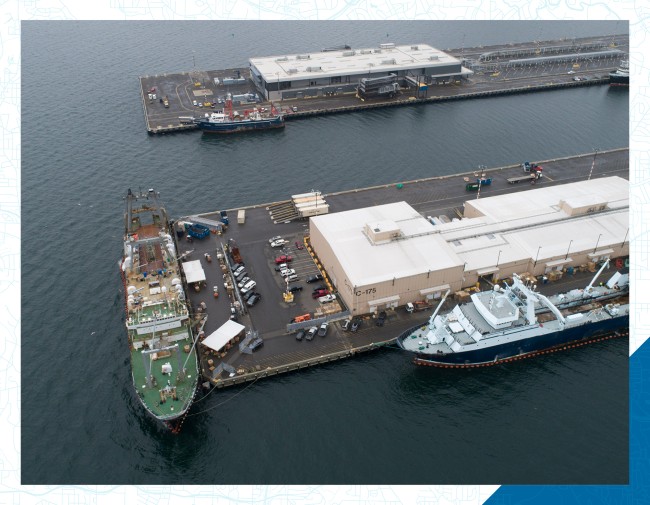 Farther north, Lineage’s four locations in Whatcom and Skagit counties support seafood, berries, proteins, prepared foods and consumer packaged goods. With more than 170,000 pallet positions, these facilities are positioned to support businesses trading with Canada.
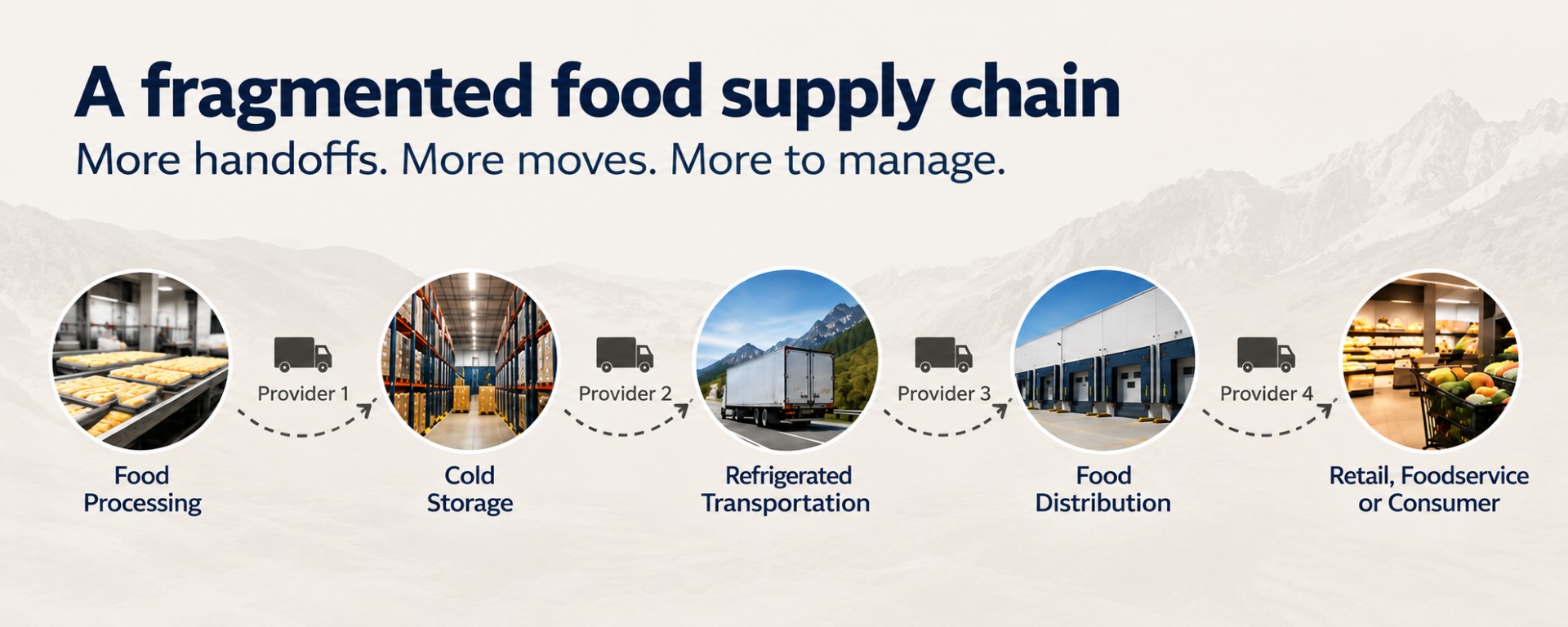
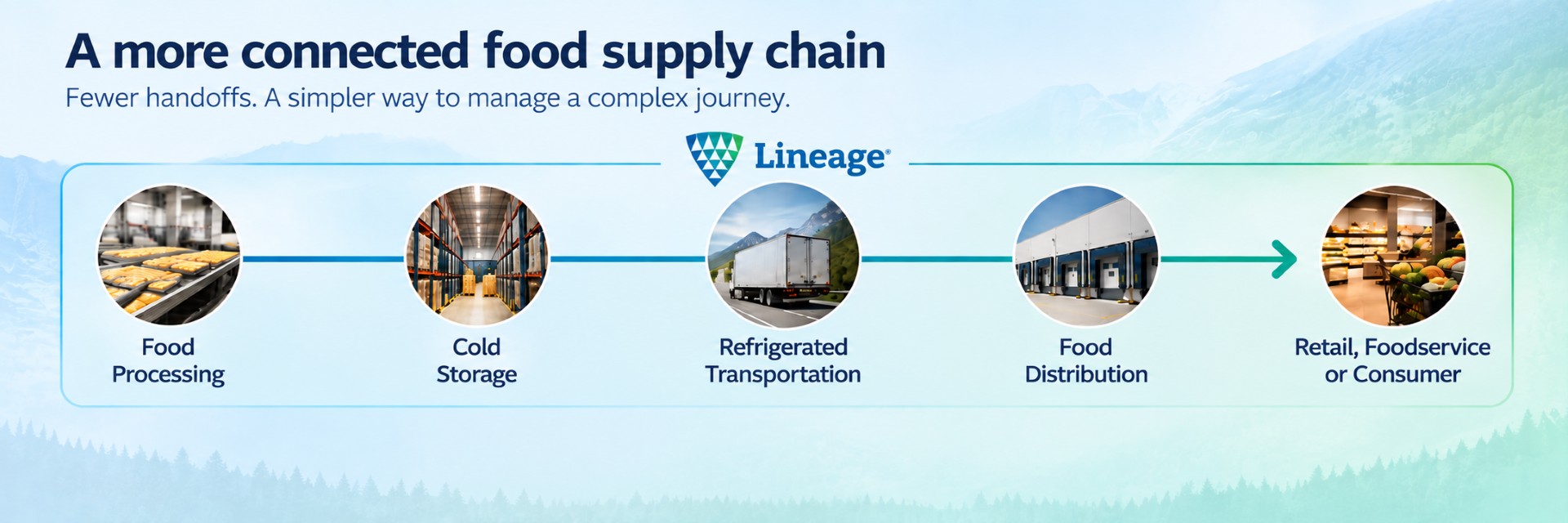
 Reducing handoffs doesn't stop when inventory leaves the cold storage facility.

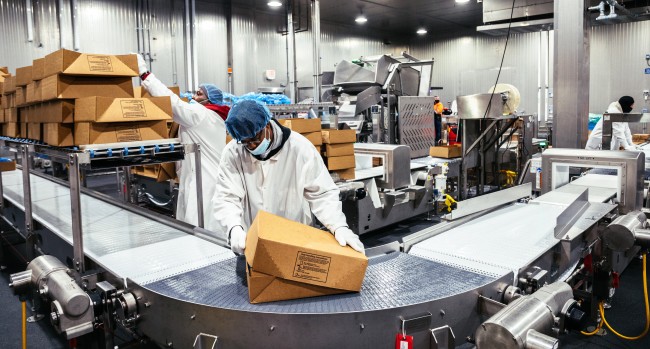 For protein producers, boxing is an essential part of a larger process that helps prepare inventory for future production. Bulk protein can arrive in large containers known as combo bins, move into refrigerated holding and then enter a boxing area where teams separate and pack the product.


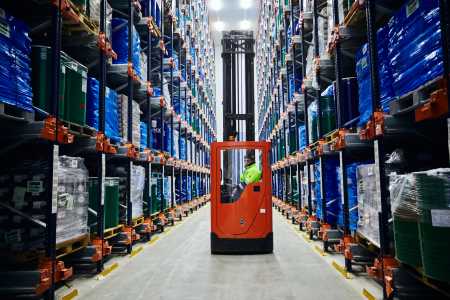
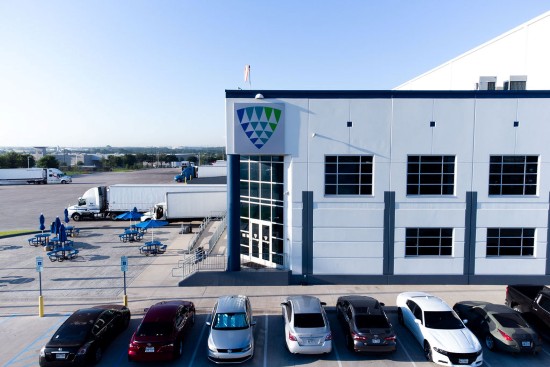
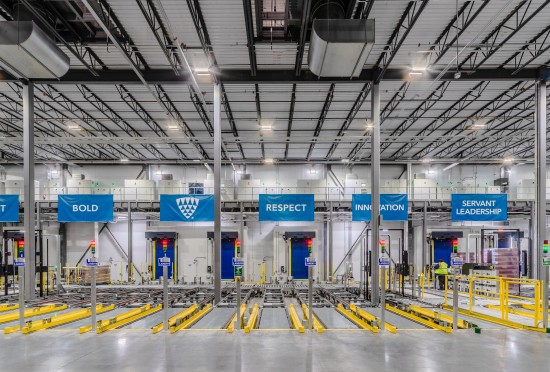 In a market with plenty of cold storage options, the difference is what customers can connect to that storage.
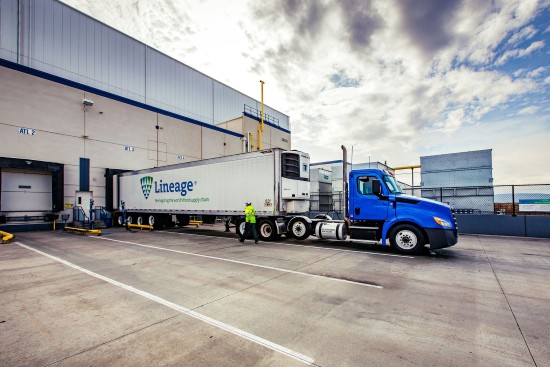 Consumers have more ways to buy food than ever before, and businesses have more ways to sell it. Grocery stores, restaurants, convenience stores, ecommerce platforms and foodservice distributors all have different delivery requirements, inventory expectations and transportation needs.
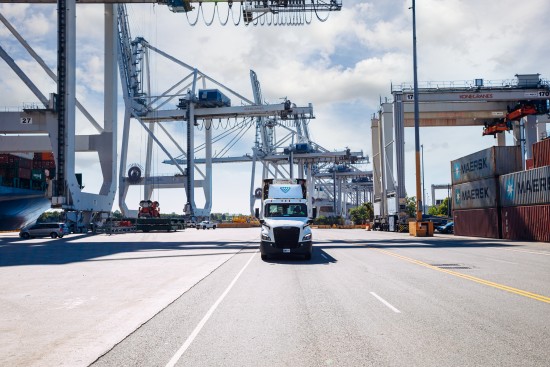 Products entering or leaving the country often require more than transportation alone. Lineage’s