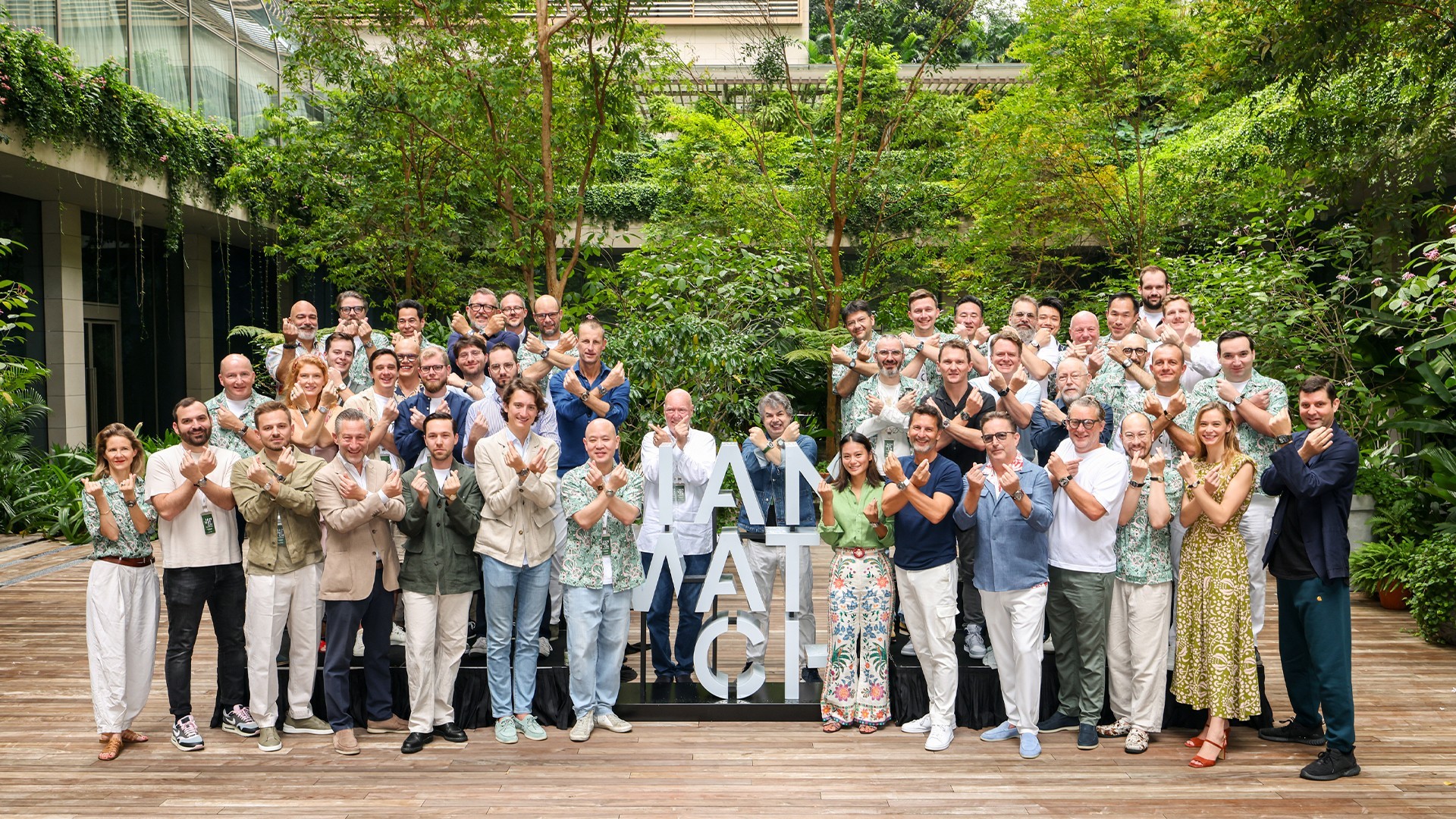
GPHG 2026: THE 84 NOMINEES ACROSS 14 CATEGORIES 07 Sep 2026 · 54 min read The Grand Prix d’Horlogerie de Genève (GPHG) has named the 84 watches and mechanical clocks that will proceed to the next stage of its 26th edition. Divided equally across 14…

GPHG 2026: THE 84 NOMINEES ACROSS 14 CATEGORIES
07 Sep 2026 · 54 min read
The Grand Prix d’Horlogerie de Genève (GPHG) has named the 84 watches and mechanical clocks that will proceed to the next stage of its 26th edition. Divided equally across 14 categories, with six nominees in each, the selection moves from three-hand watches and chronographs to striking mechanisms, astronomical displays, jewellery work, and mechanical clocks. The winners will be announced in Geneva on 7 November 2026.
The nominations follow the first round of voting by the GPHG Academy. A second Academy ballot will take place alongside the deliberations of the 24-member Jury, chaired this year by Wei Koh. For the final result, the Academy vote accounts for one-third of the score, with the Jury accounting for the remaining two-thirds. There will also be a nomination tour later this year, with Bangkok as one of the host cities
, marking its return after eight years alongside Mumbai, Geneva, and London.
Beyond identifying 84 candidates for November, the nominations offer a useful survey of contemporary watchmaking. Large Manufactures appear alongside independent workshops, while collaborations bring several names together within a single watch. More importantly, the structure under which they are being judged has changed.
A Different Structure for 2026
The most substantial revision removes the former Men’s and Ladies’ classifications. In their place are Essential Watch and Complication Watch, shifting the emphasis from the presumed wearer towards the watch itself, its function, and its mechanical content. Gemset Watch is another new category, providing a separate field for watches set with up to six carats of gemstones while leaving Jewellery Watch to accommodate more elaborate jewellery-led creations.
One-of-a-kind creations are now accepted only within Jewellery Watch and Mechanical Clock. The Iconic Watch Prize has also moved outside the conventional nomination structure: eligible watches may be considered whether or not they were formally entered into the competition, provided they reinterpret a model that has exercised a sustained influence for more than 20 years.
The result is a 14-category shortlist organised more closely around what each watch does. Here are the six nominees in every category.
Time Only
Three hands and a solid dial leave relatively little room to disguise the fundamentals. The six nominees consequently place proportion, dial construction, case design, and movement execution at the centre of the discussion.

Bvlgari Octo Finissimo 37 mm Satin-Polished Titanium

Chopard L.U.C 1860

Laurent Ferrier Classic Origin Beige

Naoya Hida & Co. NH Type8A

Parmigiani Fleurier Toric Petite Seconde

Piaget Polo 79 Sodalite
Bvlgari Octo Finissimo 37 Satin-Polished Titanium
Bvlgari brings the Octo Finissimo
into a 37 mm titanium format, retaining its sharply faceted architecture while reducing its dimensions around the newly developed BVF 100 movement.
Chopard L.U.C 1860
The L.U.C 1860
returns to the classical vocabulary of Chopard’s Fleurier Manufacture, with traditional proportions and a hand-guilloché dial carrying much of the visual detail.
Laurent Ferrier Classic Origin Beige
Laurent Ferrier keeps the Classic Origin deliberately restrained, allowing its beige dial, softly curved case, and hand-wound construction to form a quiet interpretation of the three-hand watch.
Naoya Hida & Co. NH Type8A
At 31 mm, the NH Type8A concentrates Naoya Hida’s approach into unusually compact proportions, with deeply engraved numerals providing much of the character on its otherwise sparse dial.
Parmigiani Fleurier Toric Petite Seconde
Created during Parmigiani Fleurier’s 30th anniversary year, the Toric Petite Seconde combines a hand-finished precious-metal movement with the pared-back dial and rounded case architecture of the revived Toric collection.
Piaget Polo 79 Sodalite Watch
Piaget revisits the integrated architecture of the Polo 79
through sodalite, using the ornamental stone to alter the surface and colour of a design first associated with the Manufacture’s late-1970s watchmaking.
Essential
New for 2026, Essential encompasses watches whose indications remain close to the fundamentals of daily timekeeping, while permitting formats including jumping, retrograde, and other unconventional displays. The category already shows how broad that definition can be.

Audemars Piguet Neo Frame Jumping Hour

Daniel Roth Extra Plat Rose Gold Skeleton

Grand Seiko SBGZ011 Hand-engraved Manual-winding Spring Drive

MB&F SP One Platinum

Parmigiani Fleurier Tonda PF Minute Rattrapante Arctic Rose

Stéphane Pierre L’Impétrant
Audemars Piguet Neo Frame Jumping Hour
Audemars Piguet looks to a rectangular watch from its archives for the Neo Frame, pairing the shaped case with a self-winding jumping-hour mechanism rather than a conventional arrangement of hands.
Daniel Roth Extra Plat Rose Gold Skeleton
Daniel Roth strips the Extra Plat
back to its movement, placing the calibre itself at the centre of the dial while retaining Gérald Genta-era Daniel Roth’s familiar double-ellipse case form.
Grand Seiko SBGZ011 Hand-engraved Manual-winding Spring Drive
Grand Seiko turns its hand-wound Spring Drive architecture into a study of surface work, with engraving extending across the dial and platinum case.
MB&F SP One Platinum
The first watch in MB&F’s Special Projects
series takes a more compact direction for the brand, arranging the movement and dial beneath intersecting sapphire forms within a platinum case.
Parmigiani Fleurier Tonda PF Minute Rattrapante Arctic Rose
Two superimposed minute hands allow the wearer to mark an interval of one or five minutes on demand before returning the secondary hand beneath the conventional minute hand.
Stéphane Pierre L’Impétrant
Stéphane Pierre’s first watch uses two retrograde indications to display the hours and minutes, giving the Essential category one of its most unconventional approaches to reading everyday time.
Complication
Complication is the second major new classification for 2026. World time, dual time, unusual displays, and mechanically involved constructions can all fall here, provided they do not meet the more specialised definition of Mechanical Exception.

Cleguer Inspiration One

Czapek Time Jumper

Dominique Renaud Pulse60 Titanium Black

Lederer CIC 39 InVerto Titanium

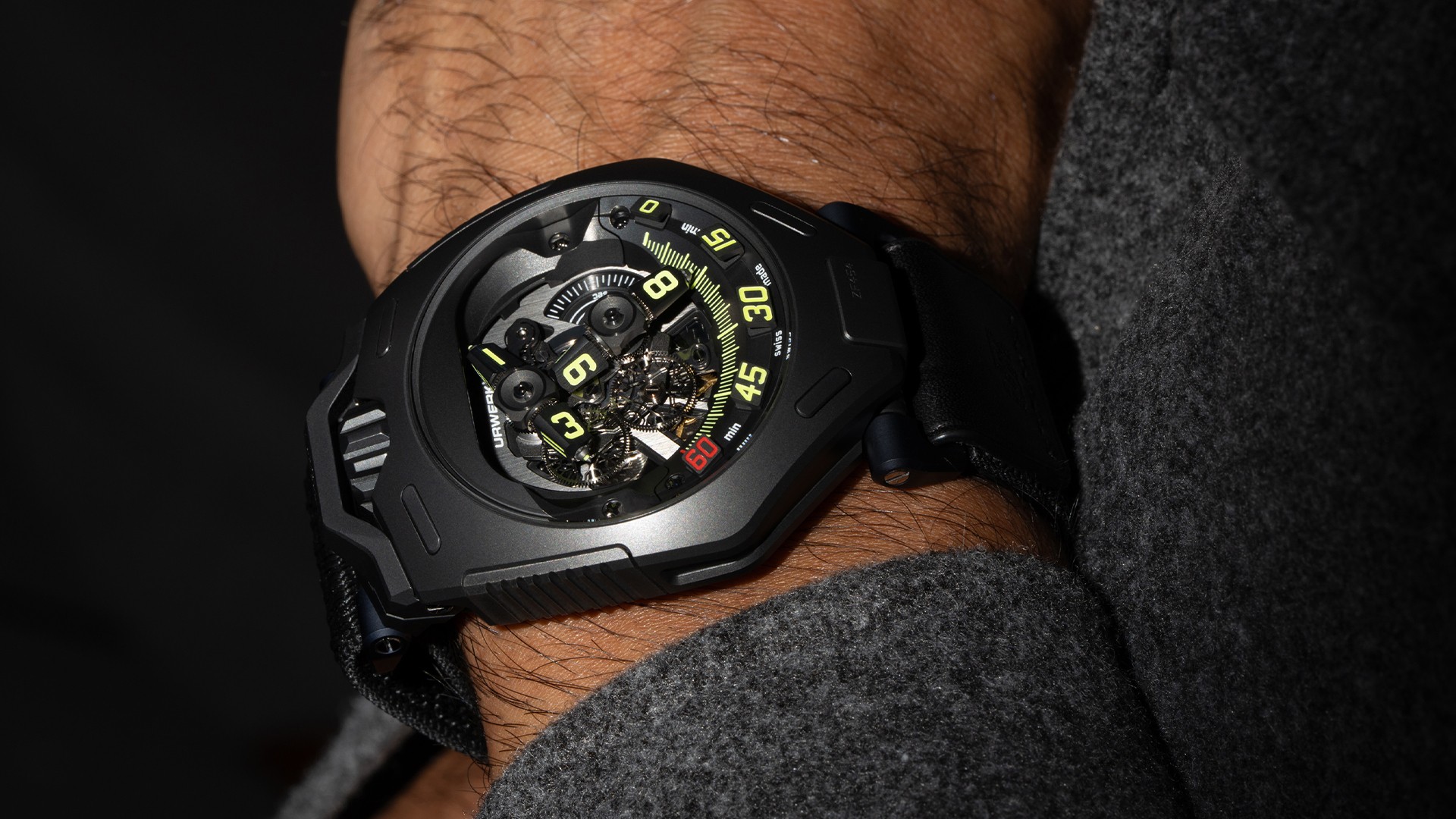
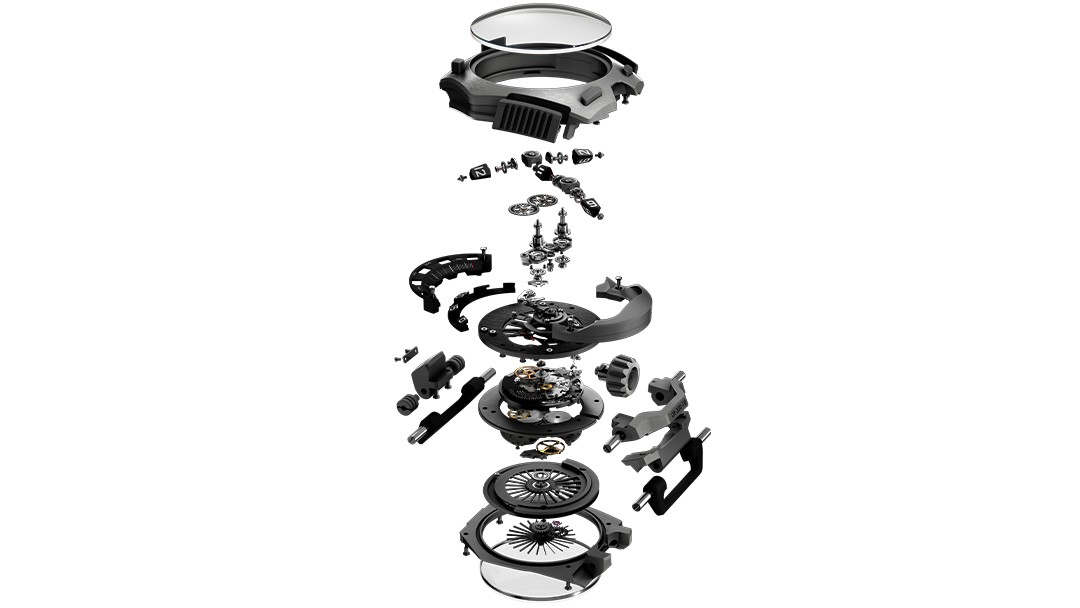
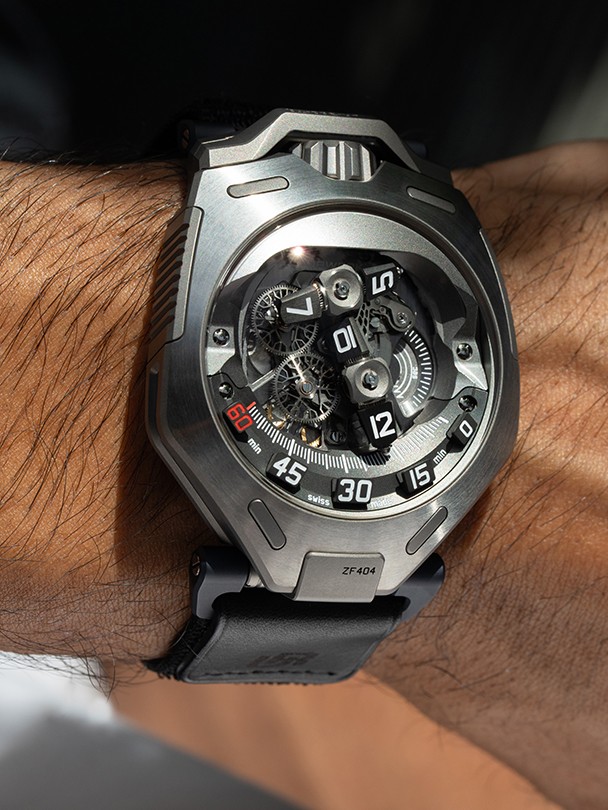
Ulysse Nardin x Urwerk UR-FREAK

Behrens x Vianney Halter KWH
Cleguer Inspiration One
Mathieu Cleguer makes his debut with the Inspiration One, built around the Innate escapement and an off-centre time display that immediately establishes the watch’s mechanical priorities.
Czapek Time Jumper
Czapek approaches jumping indications through the Time Jumper, placing digital timekeeping within an unusually rounded case whose form departs from the Manufacture’s more conventional collections.
Dominique Renaud Pulse60 Titanium Black
Dominique Renaud slows the regulating organ to 60 oscillations per minute, making the Pulse60 an investigation into what happens when the frequency of a mechanical watch is reduced dramatically.
Lederer CIC 39 InVerto Titanium
Bernhard Lederer turns the architecture of the movement towards the wearer, exposing the regulating system and double remontoir d’égalité rather than concealing them behind a conventional dial.
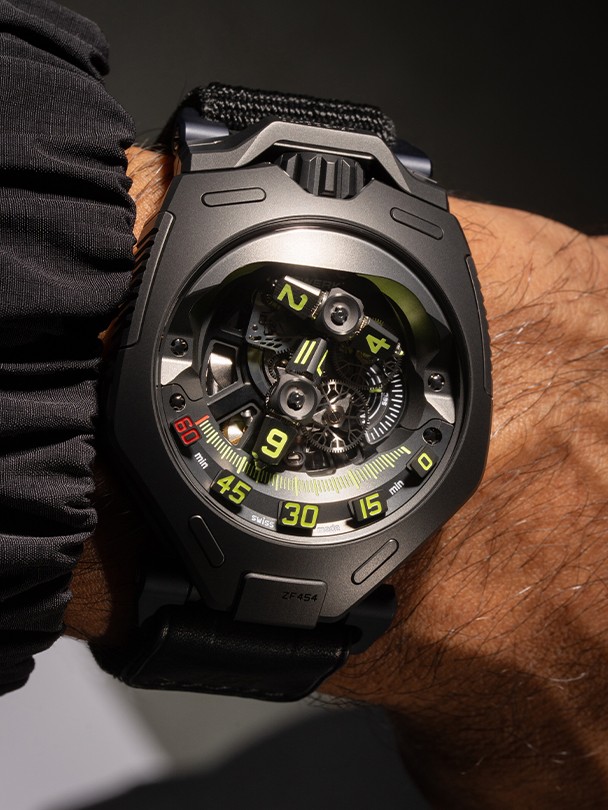
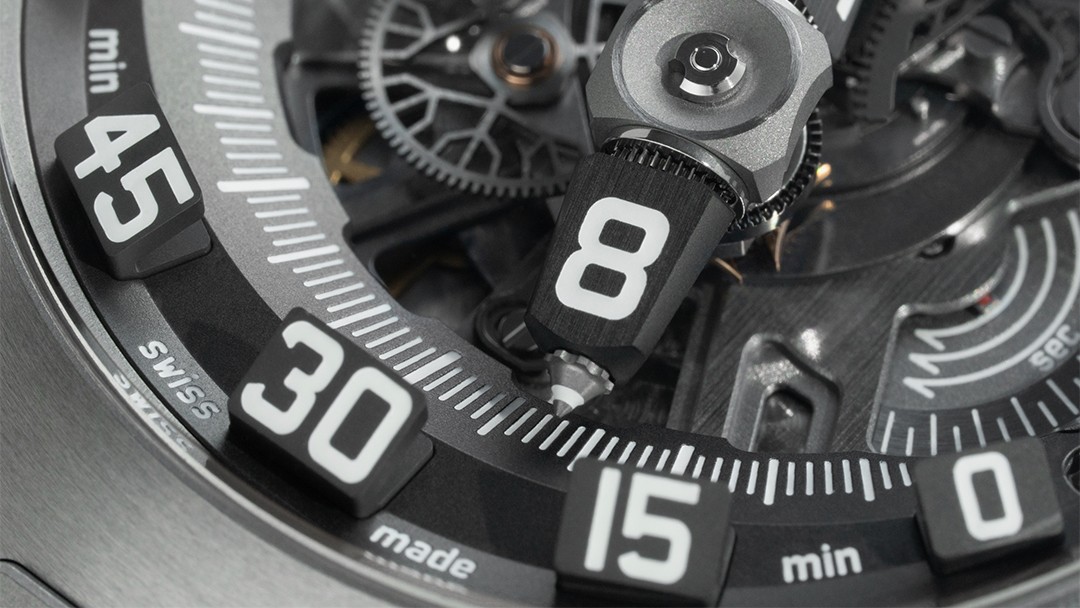
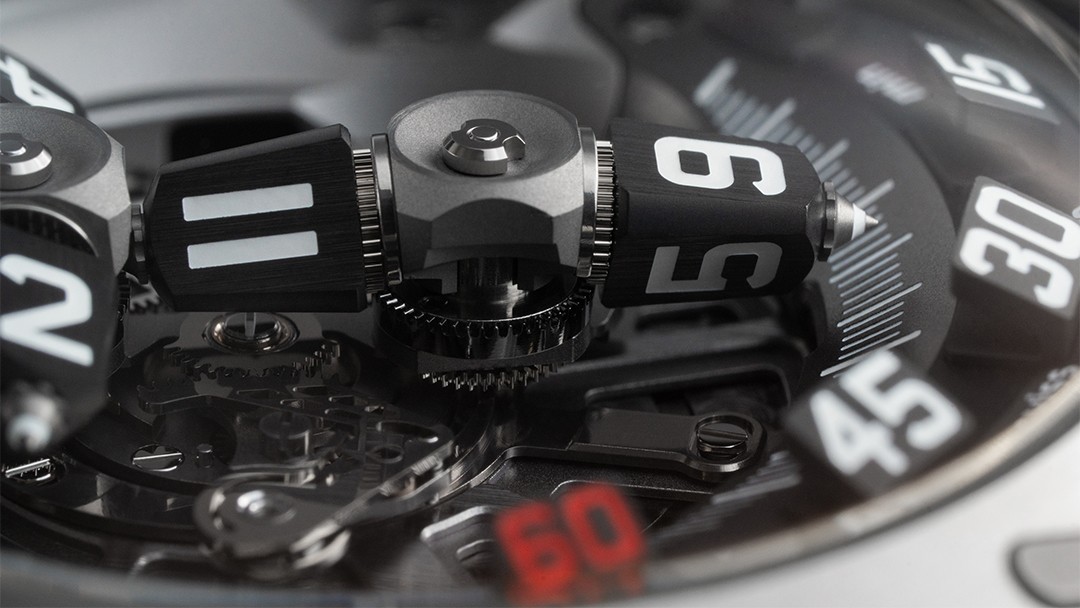
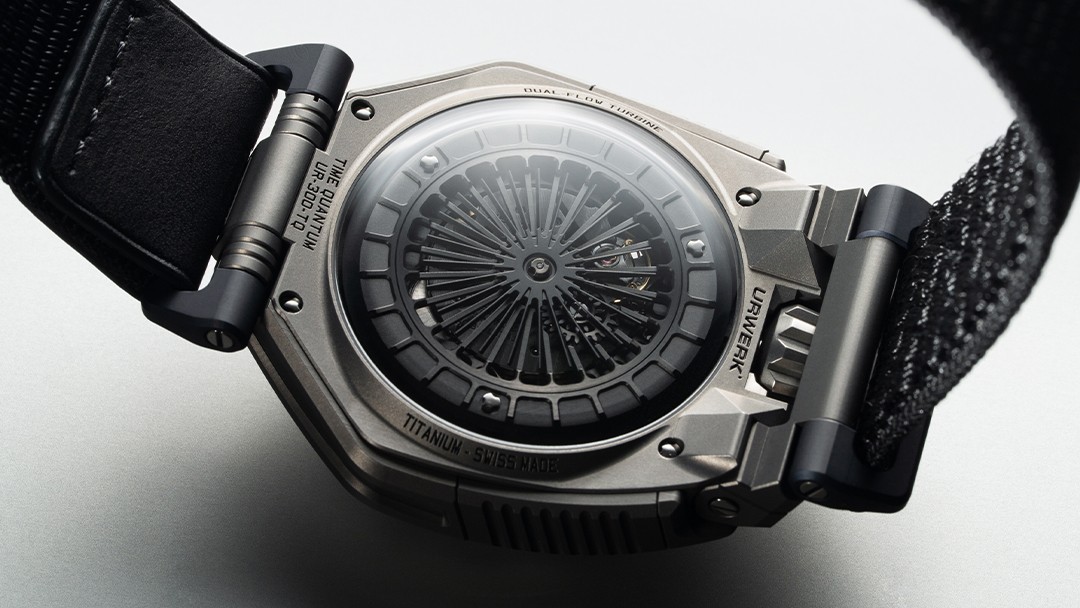
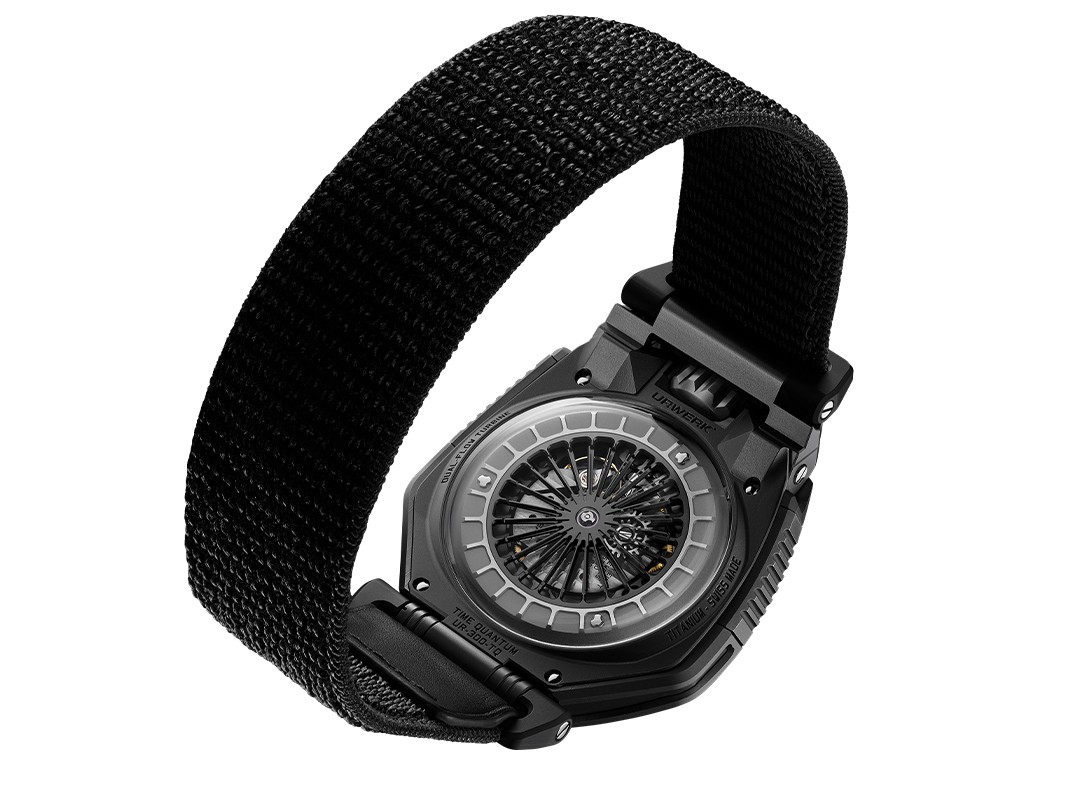
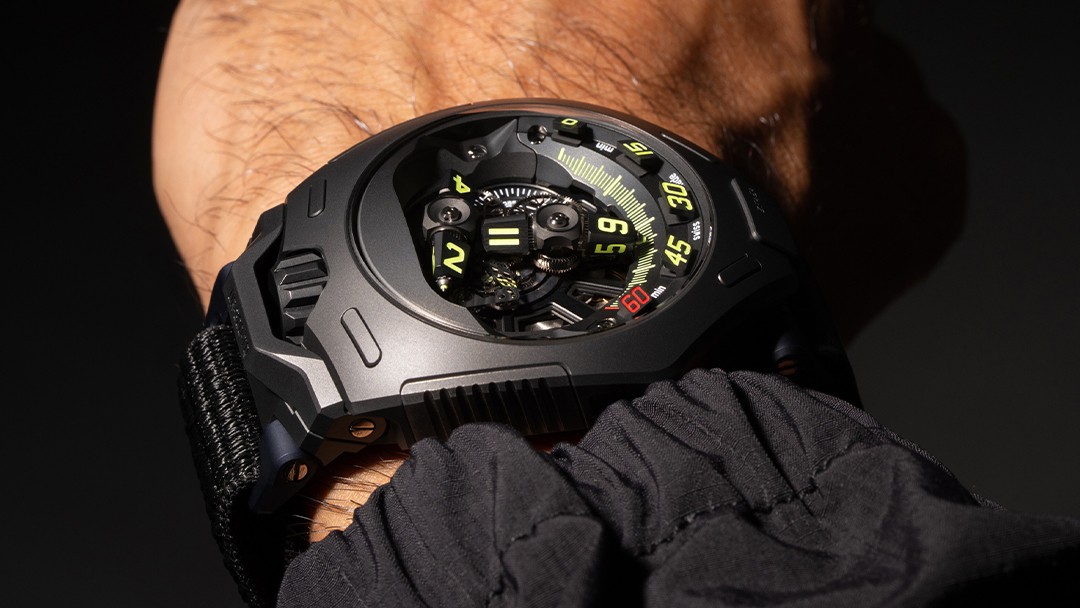
Ulysse Nardin x Urwerk UR-FREAK
Two established approaches to unconventional time display meet in the UR-FREAK
: Ulysse Nardin’s rotating Freak architecture and Urwerk’s use of satellite indications.
Behrens x Vianney Halter KWH
Behrens and Vianney Halter build their collaboration around an unusual digital display, drawing its visual starting point from an old electricity meter and translating that industrial object into mechanical watchmaking.
Mechanical Exception
Mechanical Exception is reserved for watches in which a particular mechanism or horological concept becomes the central subject. This year, striking watches sit alongside astronomical mechanisms and highly unconventional regulating systems.

Blancpain Grande Double Sonnerie

Chopard L.U.C Grand Strike

Christiaan van der Klaauw CVDK Grand Planetarium Eccentric Silicium

Ferdinand Berthoud Naissance d’une Montre 3

H. Moser & Cie. Endeavour Minute Repeater Cylindrical Tourbillon Skeleton Cosmic Rain

Konstantin Chaykin Thinking Mystery
Blancpain Grande Double Sonnerie
Eight years of development went into Blancpain’s Grande Double Sonnerie, whose four-hammer striking system can perform two melodies rather than restricting the watch to a single chime sequence.
Chopard L.U.C Grand Strike
Chopard extends its work with chiming watches through the L.U.C Grand Strike, using sapphire crystal as part of the acoustic system rather than relying solely on traditional steel gongs.
Christiaan van der Klaauw CVDK Grand Planetarium Eccentric Silicium
Christiaan van der Klaauw turns the dial into a mechanical model of the Solar System, with planets progressing according to their respective orbital periods.
Ferdinand Berthoud Naissance d’une Montre 3
Naissance d’une Montre 3 places traditional methods of construction and finishing at the centre of the project, with components produced using hand tools and techniques that predate contemporary industrial watch production.
H. Moser & Cie. Endeavour Minute Repeater Cylindrical Tourbillon Skeleton Cosmic Rain
Moser exposes the minute repeater’s hammers and gongs on the dial side while combining the striking mechanism with a cylindrical tourbillon and openworked architecture.
Konstantin Chaykin Thinking Mystery
Konstantin Chaykin
continues his investigation into extreme thinness and unconventional movement construction, rearranging components across a single plane rather than relying on a conventional stacked architecture.
Gemset
Gemset makes its first appearance as a standalone GPHG category in 2026. Its creation establishes a clearer distinction between watches in which stone setting forms part of the design and the more jewellery-led constructions found in the Jewellery category.

Bovet 1822 Récital 23

Bvlgari Serpenti Aeterna

Chopard L’Heure du Diamant

Franck Muller Round Triple Mystery Skeleton

Piaget Swinging Pebble

Tiffany & Co. Paradise Bird Toucan
Bovet 1822 Récital 23
Bovet applies extensive diamond setting to the inclined Writing Slope case, integrating the stones across both dial and bezel rather than treating them as a separate decorative border.
Bvlgari Serpenti Aeterna
The Serpenti Aeterna
reduces Bvlgari’s serpent motif to a curved, jewellery-like form, using diamonds across the rose gold bracelet to articulate the shape of the watch.
Chopard L’Heure du Diamant
L’Heure du Diamant
places the transition between watch head and bracelet at the centre of its design, carrying fluted surfaces from the dial into the surrounding gold links.
Franck Muller Round Triple Mystery Skeleton
Rather than conventional hands, three rotating discs indicate the hours, minutes, and seconds, giving the setting a mechanical display to work around.
Piaget Swinging Pebble
Piaget
revisits the sculptural pebble form through ornamental stone, with the case conceived less as a conventional round watch than as an object whose outer shape frames the dial.
Tiffany & Co. Paradise Bird Toucan
Tiffany & Co. turns the watch into a gemset toucan composition, using coloured stones and diamond setting to build both the bird and its surrounding case.
Tourbillon
Six watches approach the tourbillon from very different directions, from historically grounded constructions to world-time displays and contemporary independent watchmaking.

Arnold & Son Constant Force Tourbillon 11 Platinum

David Candaux DC6 Night Forest

Ferdinand Berthoud Chronomètre FB 2TV

Girard-Perregaux Laureato Fifty Three Gold Bridges

Louis Vuitton Escale Worldtime Flying Tourbillon

Sylvain Pinaud 30s Tourbillon
Arnold & Son Constant Force Tourbillon 11 Platinum
Arnold & Son combines its tourbillon with a constant-force mechanism, framing the technical construction through a dial and movement informed by the historical relationship between John Arnold and Abraham-Louis Breguet.
David Candaux DC6 Night Forest
David Candaux’s DC6 Night Forest places its flying tourbillon on an inclined plane, continuing the watchmaker’s preference for asymmetrical movement layouts and tilted regulating organs.
Ferdinand Berthoud Chronomètre FB 2TV
Ferdinand Berthoud puts the flying tourbillon prominently on the dial side, giving the regulator a central visual role within a movement finished according to the Manufacture’s traditional approach.
Girard-Perregaux Laureato Fifty Three Gold Bridges
Two long-running Girard-Perregaux ideas meet here: the Laureato case, introduced in 1975, and the Manufacture’s Three Gold Bridges
architecture, whose origins stretch back to the 19th century.
Louis Vuitton Escale Worldtime Flying Tourbillon
Louis Vuitton places the flying tourbillon at the centre of the movement while the world-time display occupies its perimeter, arranging two complications concentrically rather than separating them across the dial.
Sylvain Pinaud 30s Tourbillon
Sylvain Pinaud
develops the language established by his Origine with an in-house tourbillon movement, combining visible hand finishing with a 100-hour power reserve and zero-reset seconds.
Chronograph
The chronograph category extends well beyond the familiar two-counter sports watch in 2026. Flyback mechanisms, disappearing indications, multiple complications, and unconventional case forms all appear among the six nominees.

Audemars Piguet Royal Oak “Jumbo” Extra-thin Selfwinding Flying Tourbillon Chronograph RD#5 “150th Anniversary”

H. Moser & Cie. Endeavour Flyback Chronograph Dual Time Date

Louis Moinet 1816 Chronograph

Parmigiani Fleurier Tonda PF Chronographe Mystérieux

Rexhep Rexhepi Chronograph Flyback

TAG Heuer Monaco Evergraph
Audemars Piguet Royal Oak “Jumbo” Extra-thin Selfwinding Flying Tourbillon Chronograph RD#5 “150th Anniversary”
Audemars Piguet brings a flyback chronograph and flying tourbillon together within the 39 mm Royal Oak “Jumbo” format, following five years of development for the new calibre 8100.
H. Moser & Cie. Endeavour Flyback Chronograph Dual Time Date
Moser combines flyback timing, a second time zone, and a date indication while keeping conventional chronograph counters away from the dial.
Louis Moinet 1816 Chronograph
The 1816 Chronograph refers directly to the chronograph created by Louis Moinet in the early 19th century, connecting the contemporary watch to the instrument from which the Manufacture traces its chronograph history.
Parmigiani Fleurier Tonda PF Chronographe Mystérieux
At rest, the Tonda PF Chronographe Mystérieux reads much like a conventional three-hand watch; activating the chronograph changes the display as a second set of hands assumes the measurement of elapsed time.
Rexhep Rexhepi Chronograph Flyback
Rexhep Rexhepi’s first complication under his own name is a flyback chronograph
, built around an integrated movement arranged with the visual symmetry that has defined his earlier Chronomètre Contemporain watches.
TAG Heuer Monaco Evergraph
TAG Heuer returns to the square Monaco as the base for the Evergraph
, combining the familiar case profile with a high-frequency chronograph movement.
Calendar and Astronomy
This category moves between practical calendars and displays governed by celestial cycles. The six nominees include annual and perpetual calendars alongside watches that place planetary motion directly onto the dial.

Audemars Piguet 150 Heritage

Berneron Quantième Annuel

Bovet 1822 Récital 31

Christiaan van der Klaauw CVDK Venus Annual Calendar

Krayon Anyday Rose Gold

Parmigiani Fleurier Toric Perpetual Calendar 30th Anniversary
Audemars Piguet 150 Heritage
The 150 Heritage takes the form of a highly complicated pocket watch, bringing an extensive calendar programme together with numerous additional functions in a format that differs from every wristwatch in the category.
Berneron Quantième Annuel
Sylvain Berneron’s annual calendar uses jumping indications and a retrograde date to organise a substantial amount of calendar information within a deliberately symmetrical display.
Bovet 1822 Récital 31
Bovet’s Récital 31 couples a perpetual calendar with an extended 10-day power reserve, allowing the calendar mechanism to operate for substantially longer between windings.
Christiaan van der Klaauw CVDK Venus Annual Calendar
Multiple rotating discs track Venus, Earth, and the Moon, allowing the annual calendar to share the dial with an astronomical representation of their relative positions.
Krayon Anyday Rose Gold
Krayon makes the progression of the date the visual focus: a crescent advances around a 31-day scale rather than placing the indication inside a conventional aperture.
Parmigiani Fleurier Toric Perpetual Calendar 30th Anniversary
The Toric Perpetual Calendar brings one of watchmaking’s established calendar mechanisms into the revived Toric design language, with a hand-finished movement and precious-metal dial marking Parmigiani Fleurier’s 30th anniversary.
Sports
GPHG defines Sports around watches whose materials, design, and functions suit physical activity. The resulting shortlist ranges from diving watches to dual-time models and two particularly unconventional approaches to case construction.

Chopard Zagato Lab One Concept

Grand Seiko Spring Drive U.F.A. Ushio 300 Diver

H. Moser & Cie. Streamliner Pump

Hermès H08 Squelette

IWC Schaffhausen Big Pilot’s Watch Perpetual Calendar Ceralume

Laurent Ferrier Sport Traveller Slate Grey
Chopard Zagato Lab One Concept
Developed with Italian coachbuilder Zagato, the Lab One Concept brings automotive references into Chopard’s sports watchmaking through its materials, construction, and technical appearance.
Grand Seiko Spring Drive U.F.A. Ushio 300 Diver
Grand Seiko brings its U.F.A. Spring Drive technology into a diving watch, combining the movement’s high level of long-term precision with the functional requirements of the Ushio 300
.
H. Moser & Cie. Streamliner Pump
The Streamliner Pump removes the conventional crown entirely, using a push-button winding system inspired by Reebok’s Pump mechanism.
Hermès H08 Squelette
The first openworked version of the H08 makes the movement part of the watch’s graphic composition while retaining the cushion-shaped case of the original collection.
IWC Schaffhausen Big Pilot’s Watch Perpetual Calendar Ceralume
IWC combines its perpetual calendar with Ceralume, extending luminescence beyond the indications to the ceramic case itself.
Laurent Ferrier Sport Traveller Slate Grey
Laurent Ferrier introduces a second time-zone display to its Sport case, with pushers allowing local time to move forwards or backwards in one-hour steps.
Jewellery
Jewellery remains the category in which the watch can become part of a larger object: a cuff, pendant, serpent, flower, or bracelet. For 2026, one-of-a-kind creations are permitted here, distinguishing the category further from the newly created Gemset classification.

Bvlgari Tubogas Manchette

Chopard Mystery Nut

Dior Grand Bal Nuit des Indes

Franck Muller Vanguard Curvex Cut Flower

Jacob & Co. Billionaire Double Tourbillon Angel-Cut Diamonds

Piaget Flowing Curves Cuff Watch
Bvlgari Tubogas Manchette
Bvlgari returns to the broad Tubogas Manchette
bracelet, allowing its coiled gold construction and coloured stones to determine the form of the watch rather than building the jewellery around a conventional case.
Chopard Mystery Nut
The watch is concealed inside a gemset walnut-shaped pendant, turning the act of opening the object into part of how the time display is discovered.
Dior Grand Bal Nuit des Indes
Dior uses the oscillating weight of its automatic movement on the dial side, allowing the winding component itself to move through the decorative composition.
Franck Muller Vanguard Curvex Cut Flower
Franck Muller builds the dial around a flower whose petals are formed from stones cut to follow their curvature, integrating the setting into the geometry of the design.
Jacob & Co. Billionaire Double Tourbillon Angel-Cut Diamonds
Two tourbillons share the watch with Jacob & Co.’s Angel-Cut diamonds, placing the movement and stone cutting on equal visual footing.
Piaget Flowing Curves Cuff Watch
Piaget returns to the cuff format associated with its late-1960s watchmaking, using textured gold to make the bracelet itself the principal surface of the design.
Artistic Crafts
The Artistic Crafts category places techniques including engraving, enamelling, miniature painting, guilloché, openworking, and marquetry at the centre of the watch. The six nominees range from traditionally decorated world timers to mechanically animated dials.

Andersen Genève Celestial Voyager VK Edition

Audemars Piguet Établisseurs Nomade

Bovet 1822 Monsieur Bovet Tribute to Edouard Bovet

Bvlgari Serpenti Misteriosi

L.Leroy Vox Temporis

Louis Vuitton Tambour Taiko Arty Automata
Andersen Genève Celestial Voyager VK Edition
Andersen Genève uses the world-time format as a foundation for miniature-painted city scenes, connecting each dial to a particular place rather than treating decoration as an independent layer.
Audemars Piguet Établisseurs Nomade
The Établisseurs project revisits the historic établissage model, bringing specialised artisans and watchmakers together around a single creation.
Bovet 1822 Monsieur Bovet Tribute to Edouard Bovet
Bovet looks to the travels of Edouard Bovet for its decorative programme, including miniature painting connected to the founder’s early 19th century journey to China.
Bvlgari Serpenti Misteriosi
Bvlgari uses the serpent as both case and decorative surface, integrating lacquer, gemsetting, and its compact mechanical movement within the animal’s form.
L.Leroy Vox Temporis
A rotating display, minute repeater, and tourbillon sit within a watch whose conception refers to early tactile methods of reading the hour before electric light.
Louis Vuitton Tambour Taiko Arty Automata
Louis Vuitton combines automaton mechanisms with extensive champlevé enamel work, making movement across the dial part of the decorative composition.
“Petite Aiguille”
The “Petite Aiguille” brings together six watches that approach their respective briefs with notably different priorities: movement construction, world time, collaboration, guilloché, unusual displays, and chronograph design.

Christopher Ward Loco Classic

Frédérique Constant Classic Worldtimer Manufacture

Massena LAB Noctograph by Massena LAB and Raúl Pagès

MING x J.N. Shapiro 37.06 Lightning

Otsuka Lotec No.8

TAG Heuer Monaco Chronograph
Christopher Ward Loco Classic
The Loco Classic takes Christopher Ward’s in-house movement architecture into a more restrained case, pairing a hand-wound calibre with a long power reserve.
Frédérique Constant Classic Worldtimer Manufacture
Frédérique Constant
continues its manufacture world-timer with a new movement and a simplified dial, retaining the ability to read the world’s time zones from a single display.
Massena LAB Noctograph by Massena LAB and Raúl Pagès
Massena LAB and Raúl Pagès share the development of the Noctograph, using a classically proportioned exterior to house a movement created specifically for the collaboration.
MING x J.N. Shapiro 37.06 Lightning
MING’s design language meets J.N. Shapiro’s dialmaking, with the titanium dial engine-turned by hand in Los Angeles using the Lightning guilloché pattern.
Otsuka Lotec No.8
Jiro Katayama arranges the No.8 more like an instrument panel than a conventional watch, using jumping and retrograde indications to separate the display of hours and minutes.
TAG Heuer Monaco Chronograph
TAG Heuer
retains the Monaco’s square case and left-hand crown while revisiting the mechanical architecture associated with one of its longest-running chronograph designs.
Challenge
Challenge brings together six watches that rely on strong ideas rather than mechanical scale. Skeletonisation, jumping displays, shaped cases, dial construction, and historical revivals all appear within the shortlist.

Beaubleu La Pièce No.2

Beda’a Angles Guichets

Favre Leuba Chief Skeleton

Frédérique Constant Classics Moneta Handwinding

Seiko King Seiko VANAC

SpaceOne x Baltic Seconde Majeure
Beaubleu La Pièce No.2
Beaubleu works with the Monnaie de Paris on a dial struck from a single piece of metal, allowing the indices to emerge directly from the dial rather than being applied afterwards.
Beda’a Angles Guichets
Beda’a places the hours and the progression from day to night inside apertures, arranging the display within an angular, stepped case.
Favre Leuba Chief Skeleton
The Chief Skeleton is the first fully openworked watch in Favre Leuba’s history, exposing the movement within the revived Chief case architecture.
Frédérique Constant Classics Moneta Handwinding
A hand-wound movement and traditionally shaped case give the Classics Moneta a straightforward mechanical foundation, while the dial provides the principal visual distinction.
Seiko King Seiko VANAC
Seiko revives the VANAC name and its strongly faceted 1970s design language, reworking the concept through contemporary materials and construction.
SpaceOne x Baltic Seconde Majeure
SpaceOne and Baltic bring their respective design approaches together around a jumping-hour mechanism developed by independent watchmaker Théo Auffret.
Mechanical Clock
The final category leaves the wrist altogether. Six objects examine what contemporary mechanical horology can become when dimensions, weight, and conventional wristwatch ergonomics no longer set the boundaries.

Carl Suchy & Söhne Table Waltz Tourbillon Mirror Edition

Chopard The Beehive Chiming Table Clock

L’Épée 1839 The Gekko

La Vallée Cosmo

Louis Vuitton x De Bethune LVDB-03 Sympathique Louis Varius

Miki Eleta Frog Queen
Carl Suchy & Söhne Table Waltz Tourbillon Mirror Edition
Carl Suchy & Söhne places a tourbillon within a table clock whose mechanism and reflective surfaces are intended to be observed from outside the constraints of a watch case.
Chopard The Beehive Chiming Table Clock
Created with L’Épée 1839, Chopard’s clock takes the beehive as both structure and historical reference, adding an hourly chiming mechanism to the sculptural construction.
L’Épée 1839 The Gekko
The Gekko
turns a mechanical clock into a wall-mounted lizard, with a rotating dial ring allowing the numerals to remain correctly oriented as the object is repositioned.
La Vallée Cosmo
La Vallée works at an altogether different scale with Cosmo, suspending its mechanism magnetically and using the rotation of the entire structure to reference the sidereal day.
Louis Vuitton x De Bethune LVDB-03 Sympathique Louis Varius
Louis Vuitton and De Bethune revive the sympathique principle through a mechanical clock paired with a wristwatch, creating a system in which the two objects function in relation to one another.
Miki Eleta Frog Queen
Miki Eleta approaches the clock as a kinetic tableau, using frogs, a crane, a snake, and a flower as moving components within the indication and automaton sequence.
The Road to Geneva
The 84 nominees will now move towards the second round of voting. The 24-member Jury will examine the nominated watches and clocks in person in Geneva while the wider GPHG Academy conducts its own ballot electronically. The Academy result contributes one-third of the final score, with the Jury supplying the remaining two-thirds.
The results will be announced at the Bâtiment des Forces Motrices on 7 November 2026. Until then, the nominations provide a clearer picture of what the revised GPHG structure was designed to achieve: categories are now determined more directly by function, construction, and use, allowing a 31 mm three-hand watch, a double sonnerie, a gemset serpent, and a 14.5-kilogram mechanical clock to be considered according to the particular discipline each represents.
Share the story
Related Stories

31 Aug 2026
THE GPHG NOMINATION TOUR RETURNS TO BANGKOK AFTER 8 YEARS
---------------------------------------------------------

14 Nov 2025
WATCHMAKING EXCELLENCE: THE GPHG 2025 WINNERS
---------------------------------------------

22 Sep 2024
All 90 Finalists for the Grand Prix d’Horlogerie de Genève 2024
---------------------------------------------------------------

08 Aug 2024
Vietnam to host the Grand Prix d’Horlogerie de Genève
-----------------------------------------------------

10 Nov 2023
GPHG 2023: The complete winners list
------------------------------------

12 Oct 2023
Celebrating Watchmaking Excellence with GPHG Exhibition in Kuala Lumpur
-----------------------------------------------------------------------
Help Center
Careers
Investor Relations
Cookie Policy
Privacy Policy
Terms and conditions
The Hour Glass Website FAQ
Stay In The Loop
Subscribe to our newsletter to keep up to date on our news, future products and events now.
Subscribe
1999 - 2026 © The Hour Glass Limited. All Rights Reserved.


TH / EN







 Singapore
 Hong Kong
 Japan
 Australia
 New zealand
 Malaysia
 Thailand
 Vietnam

 30 Oct 2026