How water infrastructure connects cities, energy and nature
Published on: October 30, 2026
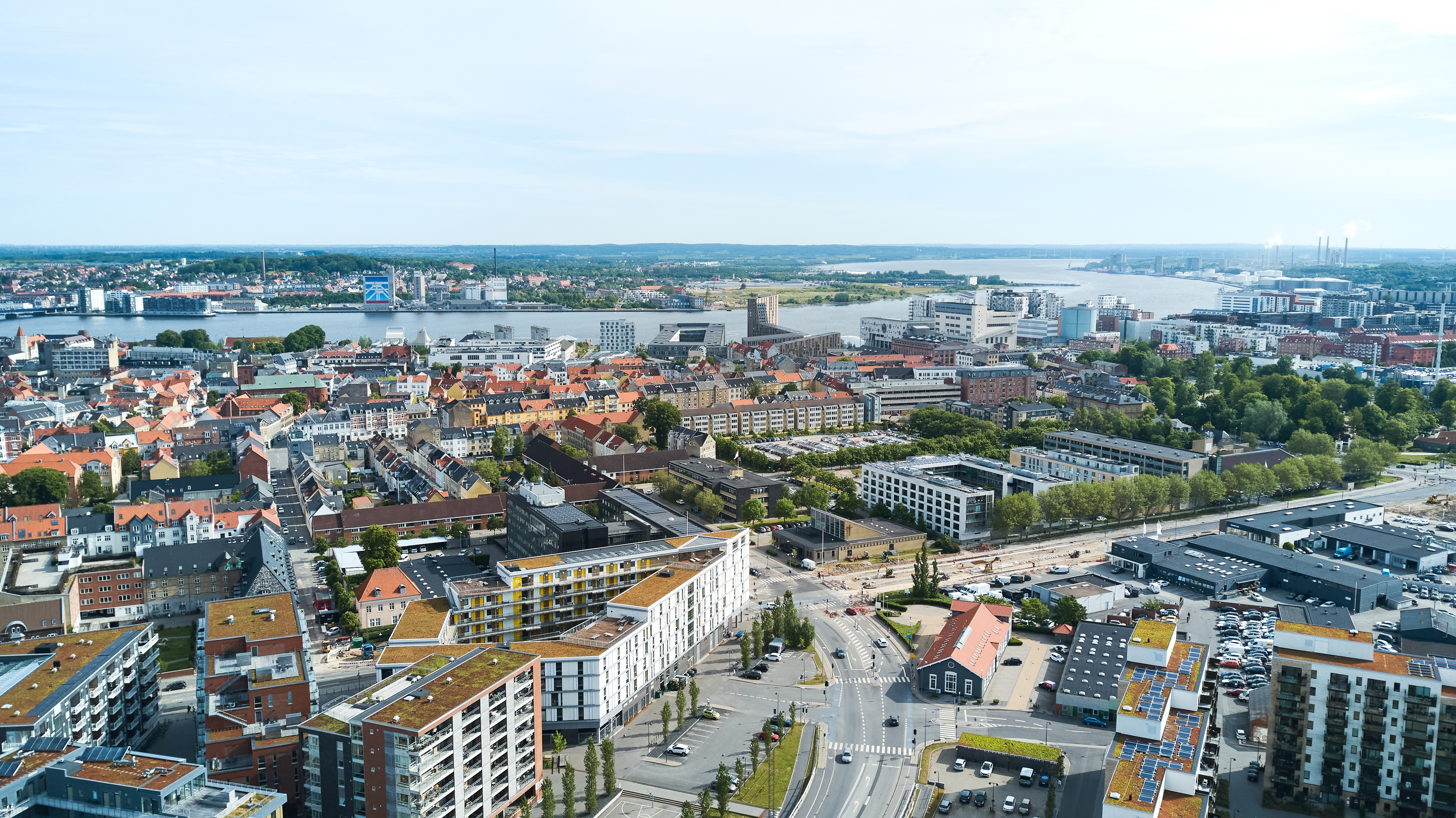
Water infrastructure shapes how cities grow and how surrounding landscapes function. Projects across Europe show how investment in water systems can support energy recovery and healthier rivers while helping communities prepare for a changing climate.
Europe faces a growing need to renew its water infrastructure. Much of the network was built decades ago, and utilities must now respond to changing climate conditions alongside greater pressure on water resources. These investments will influence how communities use energy and manage their environment for decades to come.
Water and wastewater systems are closely connected to energy use and the health of surrounding ecosystems. Pumping and treatment require electricity, while the way water moves through a landscape affects its ability to cope with dry periods and heavy rainfall. Assessing these relationships together can help planners identify measures that address several pressures at once and recognise where improving one part of a system could create new operational demands elsewhere.
A broader approach to planning can help municipalities identify benefits across sectors. A treatment plant can recover energy from wastewater, while changes to drainage and water levels can support nature restoration. Considering these connections early helps decision-makers assess how an investment can improve essential services and contribute to wider sustainability goals.
Almere combines treatment capacity with energy recovery
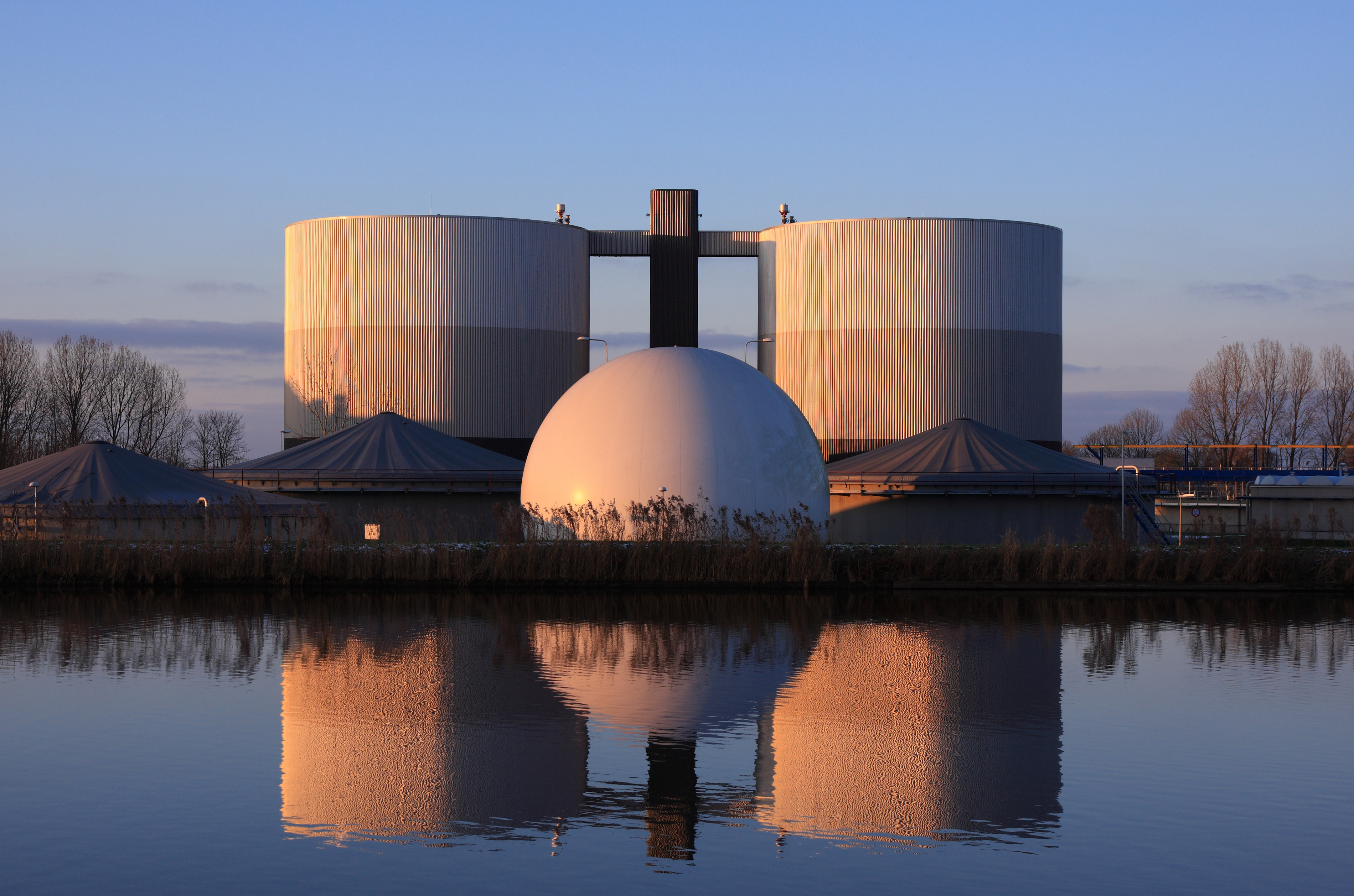
In the Dutch city of Almere, population growth is increasing the amount of wastewater that needs treatment. Waterboard Zuiderzeeland is expanding and modernising its treatment plant to increase capacity by approximately 30 per cent, enabling around 40,000 additional homes to connect to the sewer network. The plant will remain operational throughout the work.
The upgrade combines capacity expansion with improved treatment and resource recovery. Powdered activated carbon will help remove pharmaceutical residues and other micropollutants. Additional sludge digestion capacity will produce biogas that can be upgraded and fed into the gas grid, with the aim of recovering more energy and reducing the plant’s carbon emissions.
Sweco prepared the designs and tender documents for the expansion and conversion. The project connects the practical needs of a growing city with the opportunity to recover resources from its wastewater.
Emscher creates the conditions for river restoration
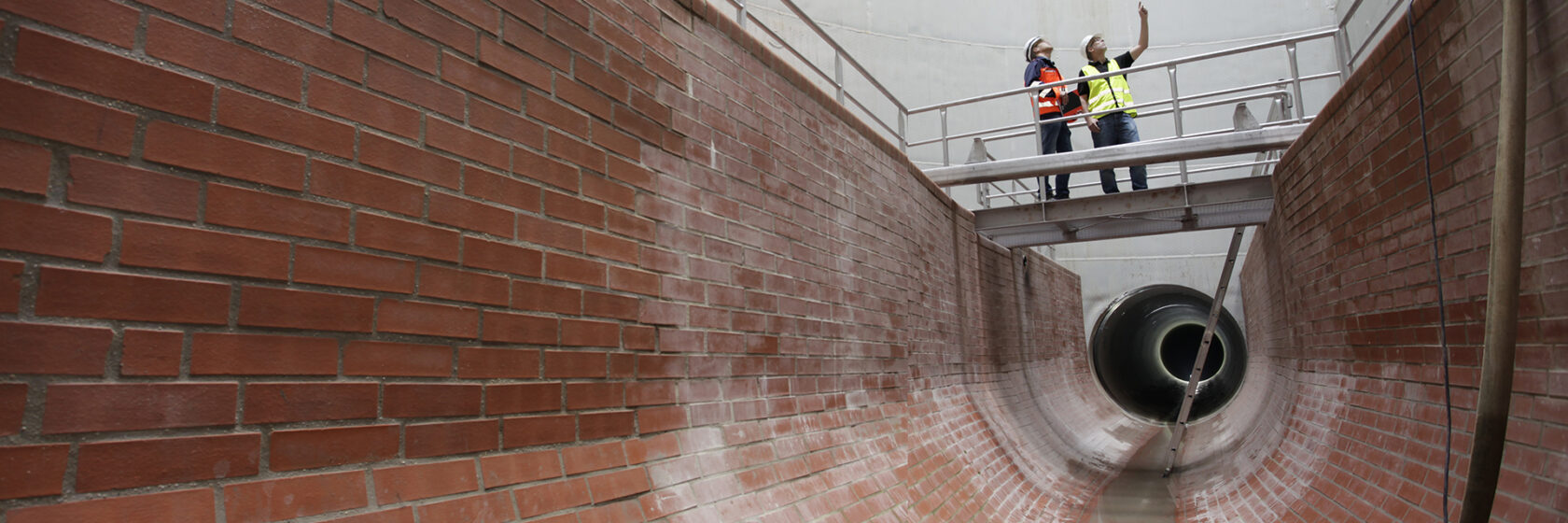
For much of the Ruhr area’s industrial history, the Emscher served as an open channel for wastewater. A central part of the effort to return it to a natural flowing watercourse is an underground sewer approximately 51 kilometres long, which entered operation in 2021.
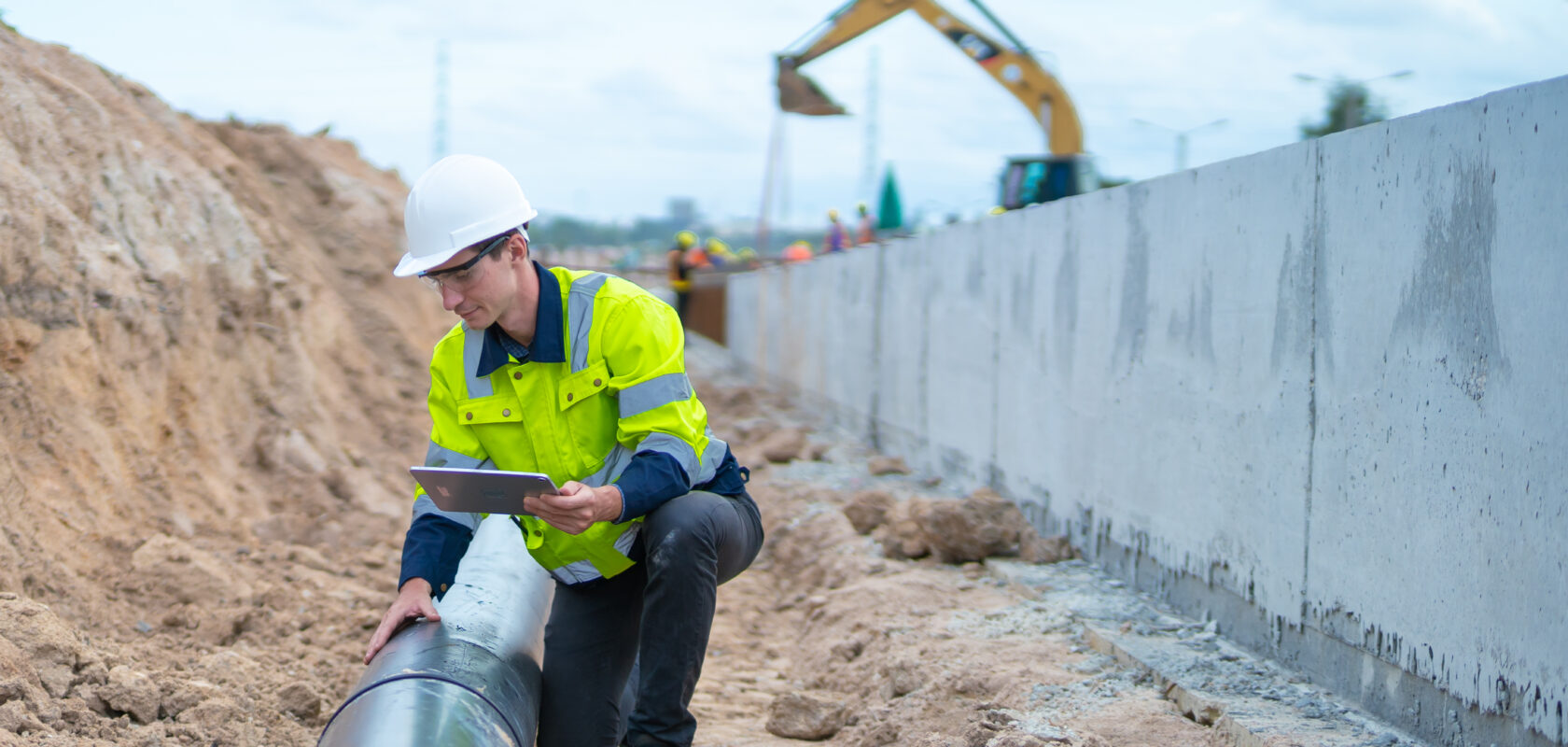
Delivering the sewer through a densely built urban region required careful planning around complex ground conditions. Materials and active ventilation were also important in addressing the risk of corrosion. Sweco contributed planning and tendering services, technical support and construction supervision.
The project illustrates how underground infrastructure can enable improvements to the environment above it. Separating wastewater conveyance from the river creates the conditions for restoration of a watercourse shaped by generations of industrial use.
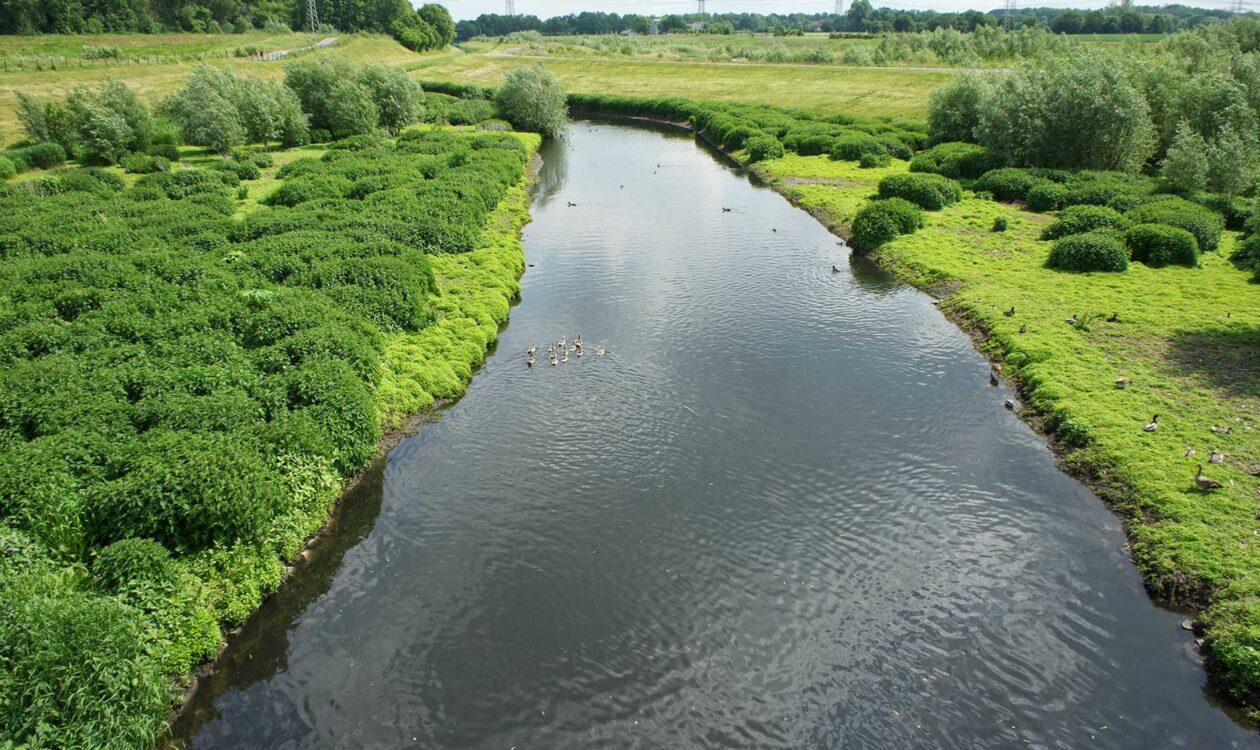
De Zegge brings nature and water management together
In Belgium’s Kleine Nete valley, the hydrological restoration of De Zegge and the surrounding area involves balancing the needs of nature and agriculture with water safety. Sweco is supporting the Province of Antwerp and the Flemish Environmental Agency in preparing a water level decree and its environmental assessment for the priority area of De Zegge.
The proposed framework aims to retain water for longer, reduce drought and flood risks and support nature restoration. Measured water levels provide the basis for agreements, while ongoing monitoring supports adjustments to water management. The decree is also intended to give land users and water managers greater legal clarity.
Here, the investment decision extends into how a landscape is managed. Agreeing on water levels creates a framework for protecting natural systems while addressing the needs of the people who depend on the land.
For municipalities and infrastructure owners, these connections make it useful to define wider objectives at the start of a project. Bringing energy specialists and environmental planners into water infrastructure decisions can reveal opportunities that would be harder to pursue once the design is fixed.
Urban Insight report: Transforming Europe’s water infrastructure
Read more and download the report
Let us connect
Please fill out this form and we will ensure that you get in contact with the right Sweco expert.
-
X/Twitter
This field is for validation purposes and should be left unchanged.
-
Name*
-
E-mail*
-
Company
-
Country of residence
-
Phone number
-
Type your question
-
Consent*
By ticking this box I consent to Sweco processing my data for the purpose of sending me news from Sweco in accordance with Sweco’s Privacy Policy. To learn about the way Sweco processes your subscription data, please click here .
Submit
Sweco plans and designs tomorrow’s sustainable communities and cities. With the collective knowledge of our 23,000 architects, engineers and other experts we work together with our clients to facilitate the green transition, maximise the potential of digitalisation and to strengthen Europe’s competitiveness and resilience. Sweco is Europe’s leading architecture and engineering consultancy, with sales of approximately SEK 32 billion (EUR 2.9 billion) in 2025. The company is listed on Nasdaq Stockholm. www.swecogroup.com
Gjörwellsgatan 22, 112 60 Stockholm
Box 34044, 100 26 Stockholm, Sweden
Telephone: +46 8 695 60 00
Shortcuts
Our services
Social media
Back to top
-
© 2026 Sweco AB
Manage Cookie Consent
We and our partners use cookies and similar technologies to operate our website, analyse traffic, personalise content, and serve and measure personalised ads. You can accept all cookies, reject non-essential cookies, or manage your preferences below. For more info, please visit our Cookie Policy
Functional Functional Always active
The technical storage or access is strictly necessary for the legitimate purpose of enabling the use of a specific service explicitly requested by the subscriber or user, or for the sole purpose of carrying out the transmission of a communication over an electronic communications network.
Preferences Preferences
The technical storage or access is necessary for the legitimate purpose of storing preferences that are not requested by the subscriber or user.
Statistics Statistics
The technical storage or access that is used exclusively for statistical purposes. The technical storage or access that is used exclusively for anonymous statistical purposes. Without a subpoena, voluntary compliance on the part of your Internet Service Provider, or additional records from a third party, information stored or retrieved for this purpose alone cannot usually be used to identify you.
Marketing Marketing
The technical storage or access is required to create user profiles to send advertising, or to track the user on a website or across several websites for similar marketing purposes.
Accept all cookies Deny all cookies View preferences Save preferences View preferences
Manage consent
Notifications