14 July, 2026 08:00 For people living with haemophilia in Trinidad and Tobago, the path to diagnosis and treatment has been given a major boost with help from the WFH Humanitarian Aid Program. But access to potentially life‑changing treatment is just…
14 July, 2026 08:00
For people living with haemophilia in Trinidad and Tobago, the path to diagnosis and treatment has been given a major boost with help from the WFH Humanitarian Aid Program. But access to potentially life‑changing treatment is just the start of the transformational journey for helping children and adults on the island nation.
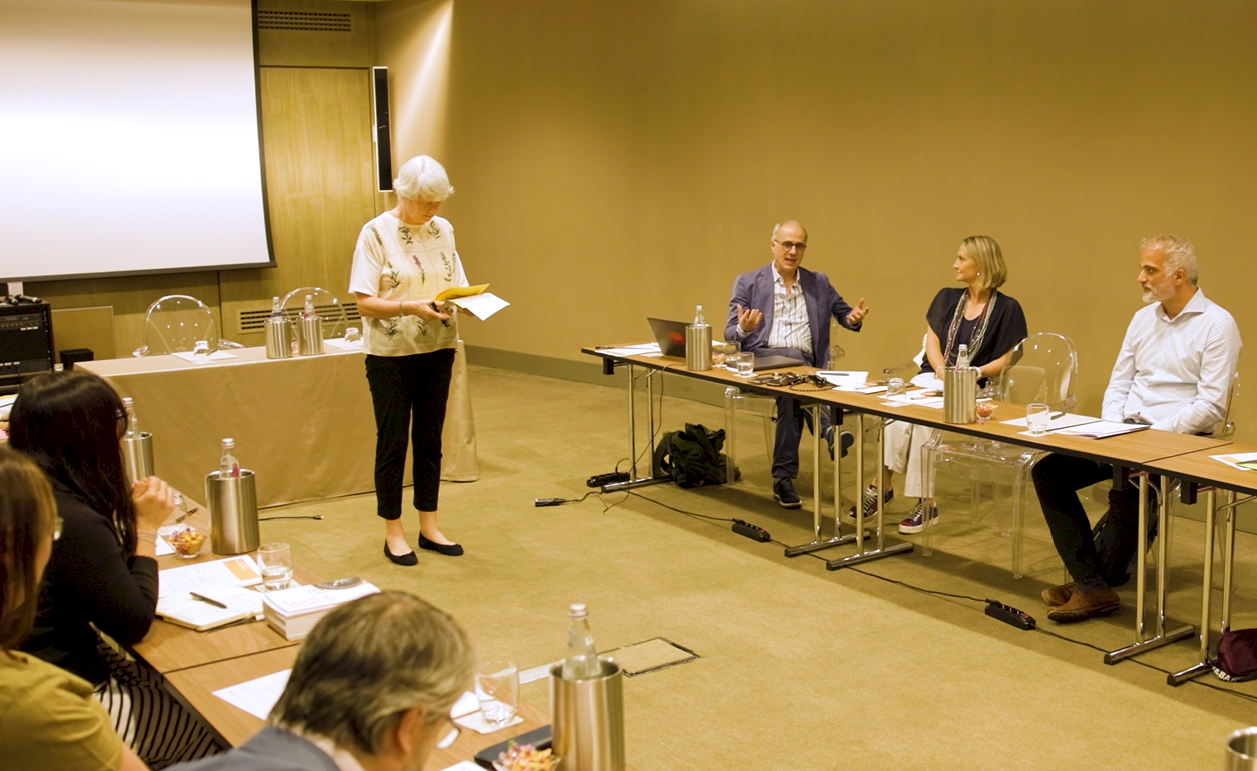
In a recent visit to the Caribbean country hosted by the WFH Humanitarian Aid Program, Dr Lydia Abad‑Franch, Head of R&D and Chief Medical Officer, and Dr Elena Santagostino, Therapy Area Head for Haemophilia, along with Sanofi representatives, met with local healthcare professionals and families who have already started to benefit from the WFH program.
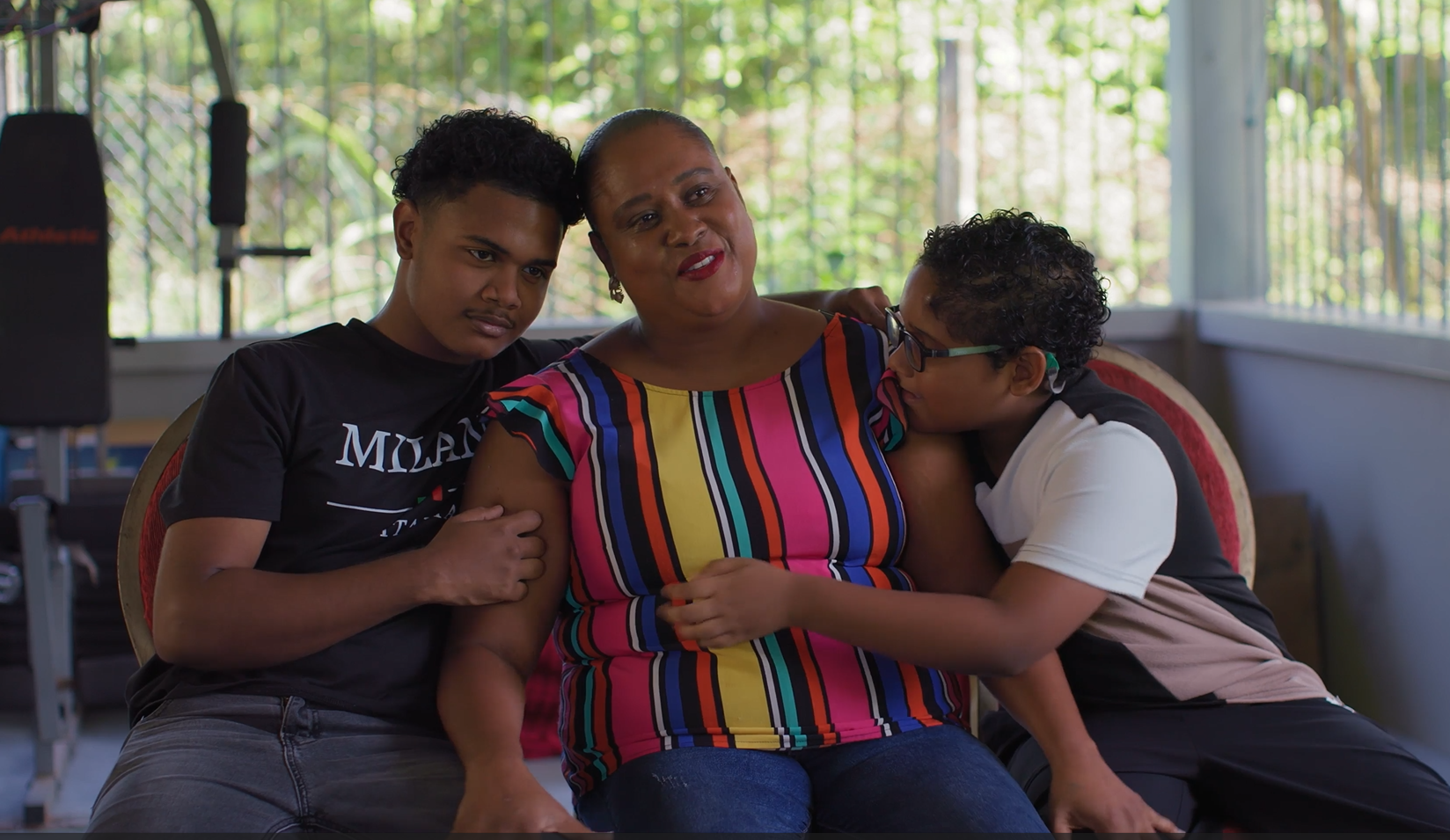
“The number of people diagnosed and being treated for haemophilia in Trinidad and Tobago is very low, but that doesn’t mean there aren’t many more people who are in need of access to treatment and care,” said Lydia Abad‑Franch. “We met a small boy who had been forced to use a wheelchair for a year because of an untreated bleed. After starting prophylaxis through the WFH program, his mobility has improved, and he is getting stronger every day with specialised physiotherapy.”
Watch the video below to hear directly from healthcare professionals, people living with haemophilia and their families in Trinidad and Tobago about the impact the WFH Humanitarian Aid Program is having on haemophilia care across the country.
Delivering medicine is only part of WFH’s ambition. Equally important is understanding the broader system including the capabilities of local healthcare, current expertise, and where training and resources are most urgently needed.
Elena Santagostino explained:
“Starting the program is just the first step. WFH is assessing the full pathway from diagnosis to rehabilitation to identify what’s missing and how to build local capacity so the country can sustain high‑standard care independently. It’s about ensuring not only that the product is available, but that clinicians know how to measure inhibitors, laboratories can run the right tests, and patients receive proper physical therapy.”
Mapping capability and building confidence
During their visit, Lydia and Elena met physicians, physiotherapists, and laboratory staff to map current services and training needs. The team found practitioners face a lack of resources, there are few doctors specialising in haemostasis, diagnostic capacity is limited, and there is very little physiotherapy training specific to haemophilia management.
But now, with the commencement of the WFH program, patients have started treatment and encouraging early improvements are already being observed.
The team also met a mother of five children, including four boys with severe haemophilia. The condition was passed down through the family but had been undiagnosed. It wasn’t until the eldest child required surgery for a physical anomaly, that the underlying bleeding disorder was identified. Only then did the doctors realise the family’s history: the mother and her sister had lost a young brother decades earlier, undiagnosed at the time. The discovery brought both relief and grief, illustrating how critical early identification is in preventing loss and suffering that could otherwise be avoided.
These stories are just the start of a new era for haemophilia diagnosis and treatment in Trinidad and Tobago - and illustrate the potential impact that early diagnosis and treatment can have on quality of life. But they also underline the importance of a broader, more holistic approach that includes physiotherapy, laboratory diagnostics, and longer term, access to surgical support. Building this broader healthcare capability is a key goal of the WFH Humanitarian Aid Program.
Creating sustainability through advocacy and training
The visiting WFH and Sobi teams also met with the local patient association to identify opportunities for advocacy training. Empowering patients and families to speak for their own needs is vital in ensuring haemophilia becomes recognised as a public‑health priority. As part of the wider program, the WFH offers courses to help patient groups build advocacy skills, a crucial step in encouraging government investment and policy development for long‑term care.
Lydia Abad‑Franch noted that this advocacy is a critical part of developing robust treatment and supporting policies:
“When families gain access to consistent treatment and care, they often become strong advocates for sustaining those services over the long term. These experiences can strengthen advocacy efforts and help highlight the value of earlier and more consistent care. It becomes a shared incentive to sustain and fund better treatment.”
A foundation for future independence
Although Trinidad and Tobago’s healthcare system faces the dual challenge of limited expertise and a dispersed population, the adaptability of the WFH model provides a pathway forward with tailored training and resources to meet local needs. The aim is to integrate haemophilia care so that, over time, reliance on humanitarian support decreases as the national system strengthens.
Elena Santagostino said:
“The goal is stable use of prophylaxis and early diagnosis so that children grow up without serious complications. Every patient who receives timely treatment demonstrates what can be achieved when sustainable care systems are in place.”
For the families already seeing change, this progress means more than improved mobility, it means confidence for the future. And for Trinidad and Tobago, it marks the start of a journey towards a resilient, self‑sufficient haemophilia care system that has the potential to improve health outcomes for generations to come.
About the WFH Humanitarian Aid Program
The WFH Humanitarian Aid Program improves the lack of access to care and treatment by providing much-needed support for people with inherited bleeding disorders in developing countries. By providing patients with a more predictable and sustainable flow of humanitarian aid donations, the WFH Humanitarian Aid Program makes it possible for patients to receive consistent and reliable access to treatment and care.
The program is made possible through the generous support of its industry partners: Sanofi and Sobi, Founding Visionary Contributors; Bayer, CSL Behring and Roche, Visionary Contributors; Grifols, Leadership Contributor; and Takeda, Contributor.
To learn more about the WFH Humanitarian Aid Program, visit:
treatmentforall.org
Follow us


© Sobi - Swedish Orphan Biovitrum AB (publ) Reg. no. 556038-9321
About
Who we are
We are a global biopharma company unlocking the potential of breakthrough innovations, transforming everyday life for people living with rare diseases.
Therapeutic areas
Science
Our therapies are concentrated within the areas of Haematology, Immunology and Specialty Care.
Innovation
Sustainability
Our Contribution
We contribute to societies by improving access to treatment of rare diseases.
News & Stories
News & stories
Here we present our most recent press releases, stories, news articles, and images.
Investors
Investor Relations
Find out more about our business and financial performance.
Careers
Who We Are
Every day, we work actively to find better ways to understand and meet patient needs.
Global
Global
Global contacts
Europe
Austria
Belgium NL
Belgium FR
Bulgaria
Croatia
Cyprus
Czech Republic
Denmark
Estonia
Finland
France
Germany
Greece
Hungary
Italy
Latvia
Lithuania
Luxembourg
Malta
Norway
Poland
Portugal
Romania
Russia
Slovakia
Slovenia
Spain
Sweden
Switzerland DE
Switzerland FR
The Netherlands
Turkey
United Kingdom
Middle East & Africa
Algeria
Bahrain
Egypt
Iraq
Jordan
Kuwait
Lebanon
Libya
Middle East
Morocco
Qatar
Oman
Saudi Arabia
Tunisia
United Arab Emirates
Asia Pacific
Australia
China
Japan
North America
USA
Canada
Search
Close
Close
By clicking “Accept All Cookies”, you agree to the storing of cookies on your device to enhance site navigation, analyze site usage, and assist in our marketing efforts.
Cookies Settings
Accept All Cookies

Privacy Preference Center
When you visit any website, it may store or retrieve information on your browser, mostly in the form of cookies. This information might be about you, your preferences, or your device, and is mostly used to make the site work as you expect. The information does not usually identify you directly, but it can give you a more personalized web experience. Because we respect your right to privacy, you can choose not to allow some types of cookies. Click on the different category headings to learn more and change our default settings. Blocking some types of cookies may impact your experience of the site and the services we are able to offer.
More information
Allow All
Manage Consent Preferences
Strictly Necessary Cookies
Always Active
These cookies are necessary for the website to function and cannot be switched off in our systems. They are usually only set in response to actions made by you which amount to a request for services, such as setting your privacy preferences, logging in or filling in forms. You can set your browser to block or alert you about these cookies, but some parts of the site will not then work. These cookies do not store any personally identifiable information.
Functional Cookies
Functional Cookies Inactive
These cookies enable the website to provide enhanced functionality and personalisation. They may be set by us or by third party providers whose services we have added to our pages. If you do not allow these cookies then some or all of these services may not function properly.
Performance Cookies
Performance Cookies Inactive
These cookies allow us to count visits and traffic sources so we can measure and improve the performance of our site. They help us to know which pages are the most and least popular and see how visitors move around the site. All information these cookies collect is aggregated and therefore anonymous. If you do not allow these cookies we will not know when you have visited our site, and will not be able to monitor its performance.
Targeting Cookies
Targeting Cookies Inactive
These cookies may be set through our site by our advertising partners. They may be used by those companies to build a profile of your interests and show you relevant adverts on other sites. They do not store directly personal information, but are based on uniquely identifying your browser and internet device. If you do not allow these cookies, you will experience less targeted advertising.
Back Button
Cookie List
Search Icon
Filter Icon
Clear
Apply Cancel
Consent Leg.Interest
checkbox label label
checkbox label label
checkbox label label
Confirm My Choices