SCA-B

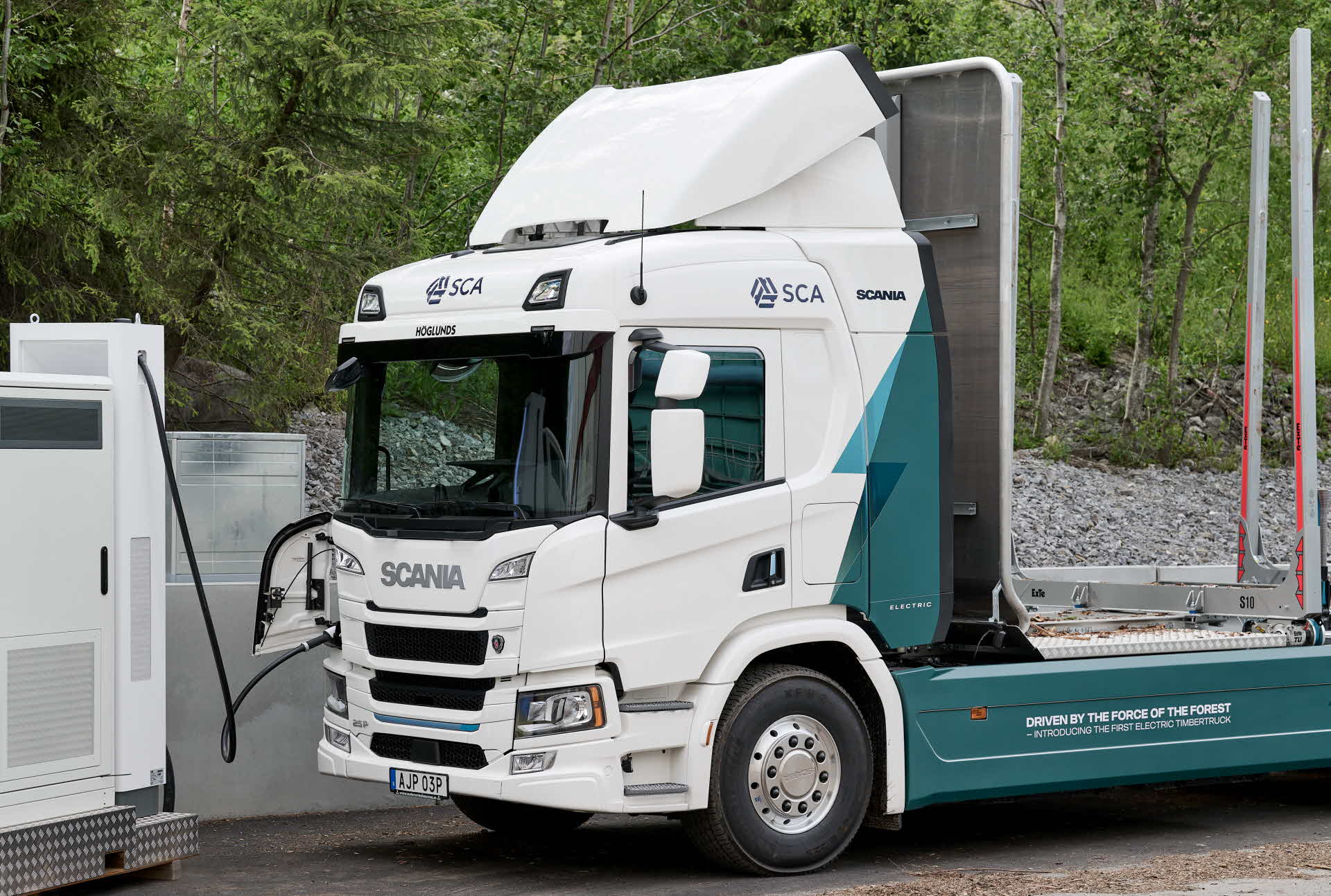
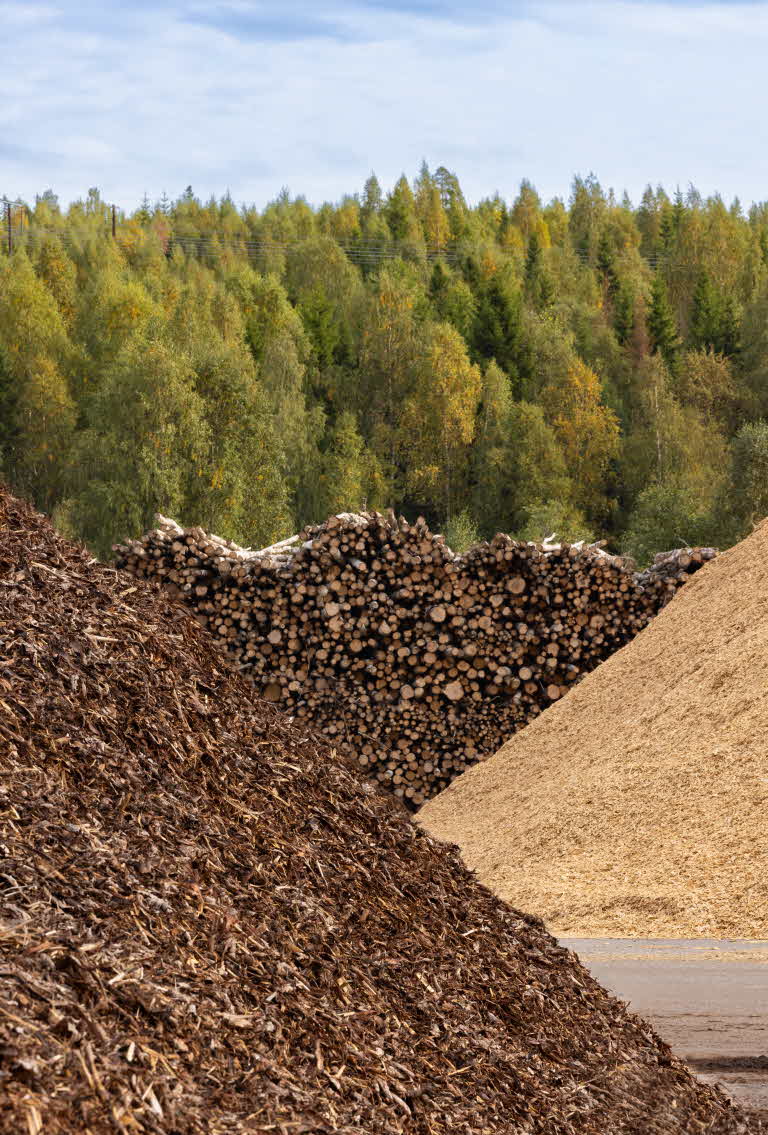
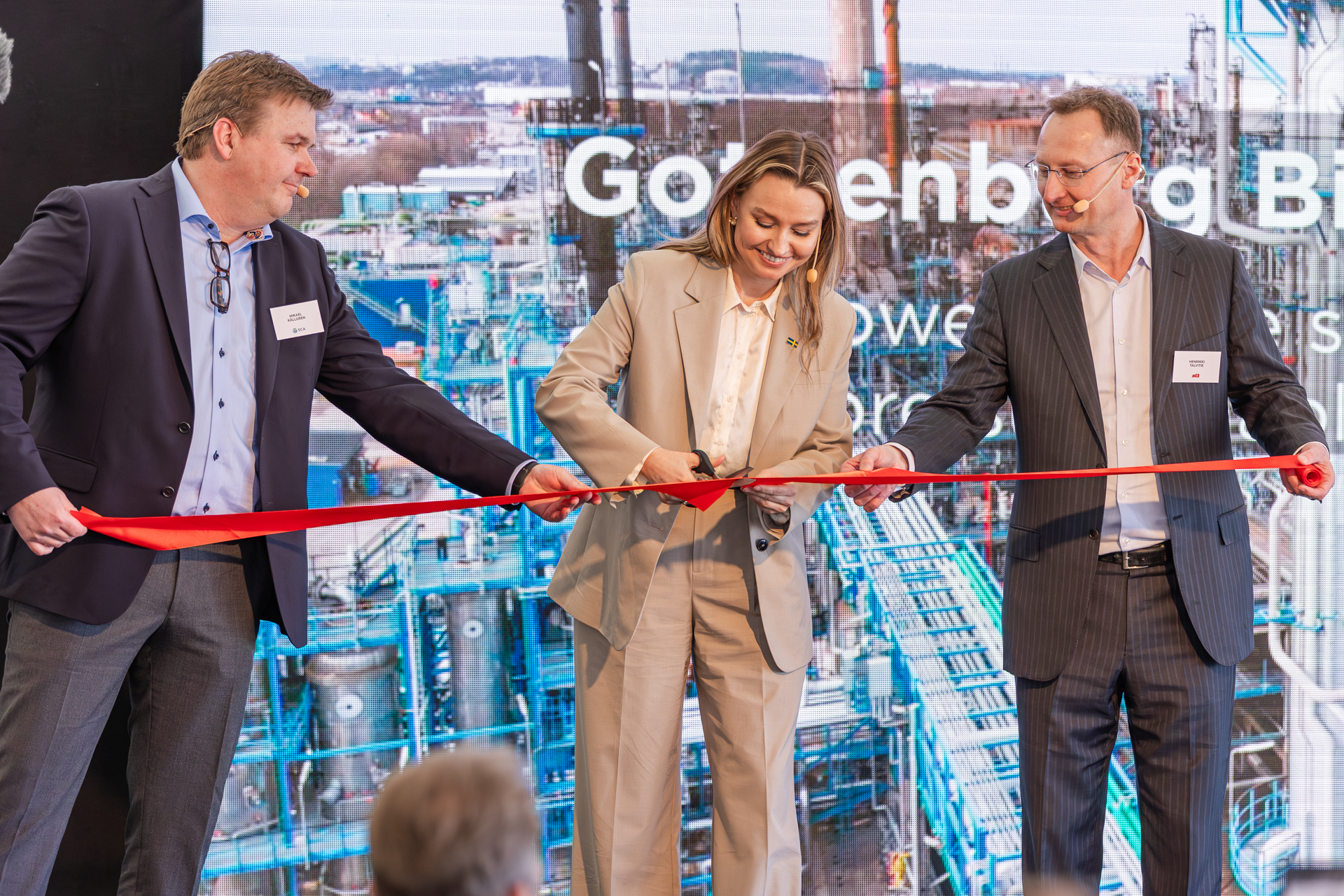
Svenska Cellulosa Aktiebolaget SCA is a forest industry company that develops and processes timber into sustainable products. The company operates through five business segments: Skog, which manages forest land and supplies raw materials; Trä, which produces sawn timber and wood products for industrial customers and the building trade; Massa, which manufactures bleached long-fibre sulphate pulp and CTMP; Containerboard, which produces packaging paper such as kraftliner; and Förnybar energi, which generates renewable energy through biofuels, wood pellets, and wind power. SCA serves customers globally, with significant export markets in Germany, the United States, and the United Kingdom. The company owns forest land in northern Sweden, Estonia, Latvia, and Lithuania. Notable partnerships include a joint biorefinery project in Gothenburg with St1, announced in 2021. SCA was founded in 1929.

Summarised from the company's own disclosures, fiscal year ended Dec 2025

Industry Paper & Paper Products Homepage sca.com/sv
Sector Basic Materials IR page sca.com/sv
Tags
forest management, sawn timber, pulp production, containerboard, kraftliner, wood pellets, wind power, biorefinery, biofuels, logistics, SCA Skog, SCA Trä, SCA Massa, SCA Containerboard, SCA Förnybar energi, SCA Logistik, SCA R&D Centre, SCA Hälsan, Galtströms bruk, Ortvikens massabruk, Östrands massabruk, Munksunds pappersbruk, Obbola pappersbruk, SCA Kraftliner White Top, SCA Kraftliner Wet Strength, SCA Eurokraft, SCA Wood Magazine, Din Skog, St1
Press page sca.com/en/media/press-releases/1998/press-release

Metrics

Valuation  
Market cap kr 81.647B
Market cap (USD) $ 8.037B
P/E 37.87
PEG —
P/BV 0.80
P/S 3.48
P/OCF 20.33
P/FCF —
Dividend yield 2.6%
Turnover / mcap —
Returns  
ROE 3.1%
ROI 2.8%
ROIC 3.1%
Profit margin 13.7%
Growth  
Revenue growing No
Profits growing No
Revenue up 3y No
Revenue up 5y No
Earnings growth 3y (net profit CAGR) -22.0%
Quality  
Profitable Yes
Margin expanding No
Buying back stock No
Diluting (TTM) No
Debt/Equity 12.4%
Podcast bulls (TTM) Sign up
Podcast bears (TTM) Sign up
Podcast sentiment (TTM) Sign up
Podcast sentiment % (TTM) Sign up
News sentiment (TTM) 17
Quality score -11.1%
Insiders  
Buys, 1w Sign up
Buys, 1m Sign up
Buys, 1y Sign up
Sells, 1w Sign up
Sells, 1m Sign up
Sells, 1y Sign up

Sign up to see this company's insider trades

Figure FY 2025 FY 2024 FY 2023 FY 2022 FY 2021 FY 2020 FY 2018 FY 2017 FY 2016 FY 2015 FY 2014 FY 2013 FY 2012 FY 2011 FY 2010 FY 2009 FY 2008
Revenue 23.447B 23.627B 18.081B 20.794B 18.822B 18.41B — — — — 104.054B 89.019B 85.408B 81.337B 109.142B 110.857B 110.449B
Net profit 3.205B 3.639B 3.625B 6.821B 6.101B 767M 3.659B 142.155B 5.57B 7.002B 6.599B 5.547B 4.956B 548M 5.552B 4.765B 5.578B

Figure FY 2025 FY 2024 FY 2023 FY 2022 FY 2021 FY 2020 FY 2018 FY 2017 FY 2016 FY 2015 FY 2014 FY 2013 FY 2012 FY 2011 FY 2010 FY 2009 FY 2008
Share price 119.73 141.39 139.75 134.79 154.08 — 68.23 79.08 241 — — — — — — — —
Price performance 12m -0.15 0.01 0.04 -0.13 0.36 — -0.14 -0.67 — — — — — — — — —

Filed figures

Figure Dec 2019 Dec 2020 Dec 2021 Dec 2022 Dec 2023 Dec 2024 Dec 2025
Balance sheet detail
Trade receivables (SEK) — 1.96B 2.52B 3.01B 2.86B 3.28B 3.2B
↳ YoY growth +28.1% +19.5% -5.0% +14.7% -2.5%
↳ 5y CAGR +10.2%
Other receivables (SEK) — 987M 892M 1.42B 1.22B 803M 970M
Borrowings, non-current (SEK) — — 9.08B 10.8B 11.5B 11.5B 12.6B
Cash and deposits (SEK) 454M 1.27B 1.06B 836M 502M 1.33B 590M
Intangible assets (SEK) — 320M 526M 731M 813M 1.03B 1.3B
Right-of-use assets (SEK) — 729M 614M 561M 570M 573M 459M
Net debt (borrowings + leases - cash) (SEK) — — 8.03B 9.92B 11B 10.2B 12B
Cash flow detail
Operating cash flow (SEK) — 3.7B 5.97B 6.33B 3.89B 3.49B 4.02B
Purchases of property, plant and equipment (SEK) — -2.67B -5.11B -5.96B -3.14B — —
Change in receivables (cash effect) (SEK) — -181M -445M -957M 339M -356M 41M
Change in inventories (cash effect) (SEK) — 780M -163M -663M -504M -367M -856M
Change in payables (cash effect) (SEK) — 532M 302M 292M 6M -317M 616M
Dividends paid (cash effect) (SEK) — 0.00 -1.41B -2.28B -1.76B -1.93B -2.11B
Interest paid (cash effect) (SEK) — — — — -367M -571M -420M
Income taxes paid (cash effect) (SEK) — -35M -538M -859M -330M -293M -197M
Operating cash flow before change in receivables (SEK) — 3.89B 6.42B 7.28B 3.56B 3.84B 3.98B
Free cash flow (OCF - PPE - intangibles) (SEK) — 1.04B 863M 364M 759M — —
Income detail
Total comprehensive income (SEK) — 3.64B 12.2B 15.8B 9.64B 1.7B -460M
Comprehensive income to owners (SEK) — 3.64B 12.2B 15.7B 9.69B 1.7B -460M
Reported — — — — — — —

Sign up to see institutional holdings

Sign Up

Podcast Mentions

Sign up to see podcast mentions and sentiment

Sign Up

More than pulp: expertise that makes a difference Bull 0 Bear 0 Routine
  • News
  • Pulp
  • Marketing
  • 19/10/2026

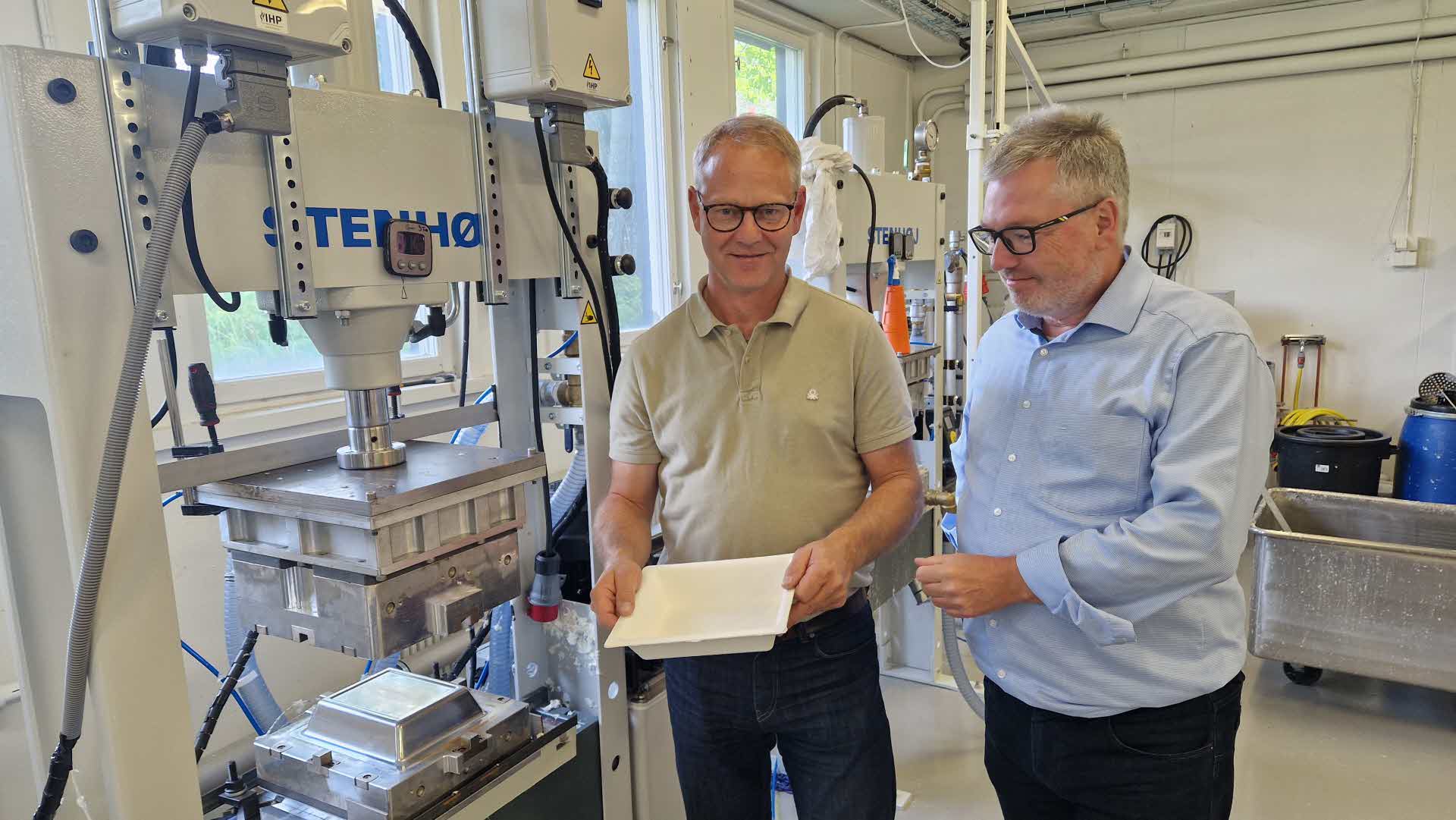
For SCA, customer collaboration is about more than supplying the right pulp. With broad experience in papermaking, senior research engineers and extensive R&D resources, SCA can also help customers optimize their processes, solve problems and sometimes develop entirely new solutions.

“Close collaboration with our customers is very important to us. It gives us crucial feedback and the opportunity to continuously improve. When we develop new products, it often starts with a customer approaching us with a challenge, a new product specification or a specific problem,” says Daniel Solberg, Senior Research Engineer at SCA.

Often, the work is about creating the right conditions for SCA’s products to perform optimally in the customer’s process.

“Every problem provides ideas for improvements and sometimes even for a new product. And usually, it’s not a question of us solving the problem. We solve it together with the customer,” Daniel continues.

SCA has a team of senior research engineers who can support customers on site when production or process issues arise. For more complex challenges, SCA’s broad R&D expertise and analytical capabilities are also available.

Small adjustments can make a big difference

But many issues can be solved much more simply, sometimes through a Teams meeting. It could, for example, be a case of BCTMP pulp being refined too heavily, or a pH issue affecting the chemistry of the process.

“The customer often has a “standard recipe”, but sometimes the process needs to be adapted to our pulp to perform optimally. And getting it right really pays off. In tissue, for example, raw materials often account for more than half of the total cost. By optimizing something like refining, there can be a lot to gain,” says Paul Wallstabe, Product Specialist at SCA, who regularly visits customers.

In today’s challenging business environment, many customers also operate with lean organizations. In these situations, access to external expertise and an experienced sounding board can be particularly valuable. And our expertise goes beyond pulp. Sometimes, the best solution may be found elsewhere in the process or equipment.

Another important strength is SCA’s long experience in papermaking, including its heritage in tissue production (today Essity) and the former paper production at Ortviken. This means that the specialists working closely with customers bring extensive hands-on experience from paper production.

Knowledge goes both ways

Every year, SCA carries out around 50 projects where it supports customers in different ways. SCA also provides training, both digitally and on site, ranging from basic training in fibre types, fibre chemistry, processing and refining to more advanced knowledge exchange with customers’ own engineers.

At the same time, knowledge flows both ways. Customers’ experience helps SCA develop and, where needed, tailor its solutions. The opportunities are particularly significant within BCTMP, where production offers a high degree of flexibility.

SCA also has access to a range of fibre raw materials, both softwood and hardwood, not least the versatile birch. Combined with the capabilities of our state-of-the-art production facility, this opens up a wide range of possibilities for developing and tailoring solutions to different customer needs.

“We see great opportunities for BCTMP, not least within moulding. We have a raw material that is less expensive than kraft pulp and also eucalyptus, but provides better strength. So, if you use our lower-cost raw material in the right way, you can achieve a very good moulding result. And as an independent pulp producer, we can really help our customers find the right solution,” Paul concludes.

Welcome to SCA

  1. Forest

  2. Wood

  3. Containerboard

  4. Renewable energy

  5. Pulp

  6. Logistics

  7. News

Search

Welcome to SCA

  1. Forest

  2. Wood

  3. Containerboard

  4. Renewable energy

  5. Pulp

  6. Logistics

  7. News

Search

Welcome to SCA Search

Open navigation menuClose navigation menu

  • News
  • Forest
  • 16/10/2026

In brief

  • SCA hosted a field excursion for the Collaborative Group for Continuous Cover Forestry in southern Norrland.
  • The group visited four forests in Ångermanland where SCA has used continuous cover methods and discussed how the methods affect the forest’s different values.
  • The conclusion was that practical studies and dialogue in the forest are important for developing continuous cover forestry.

Show more

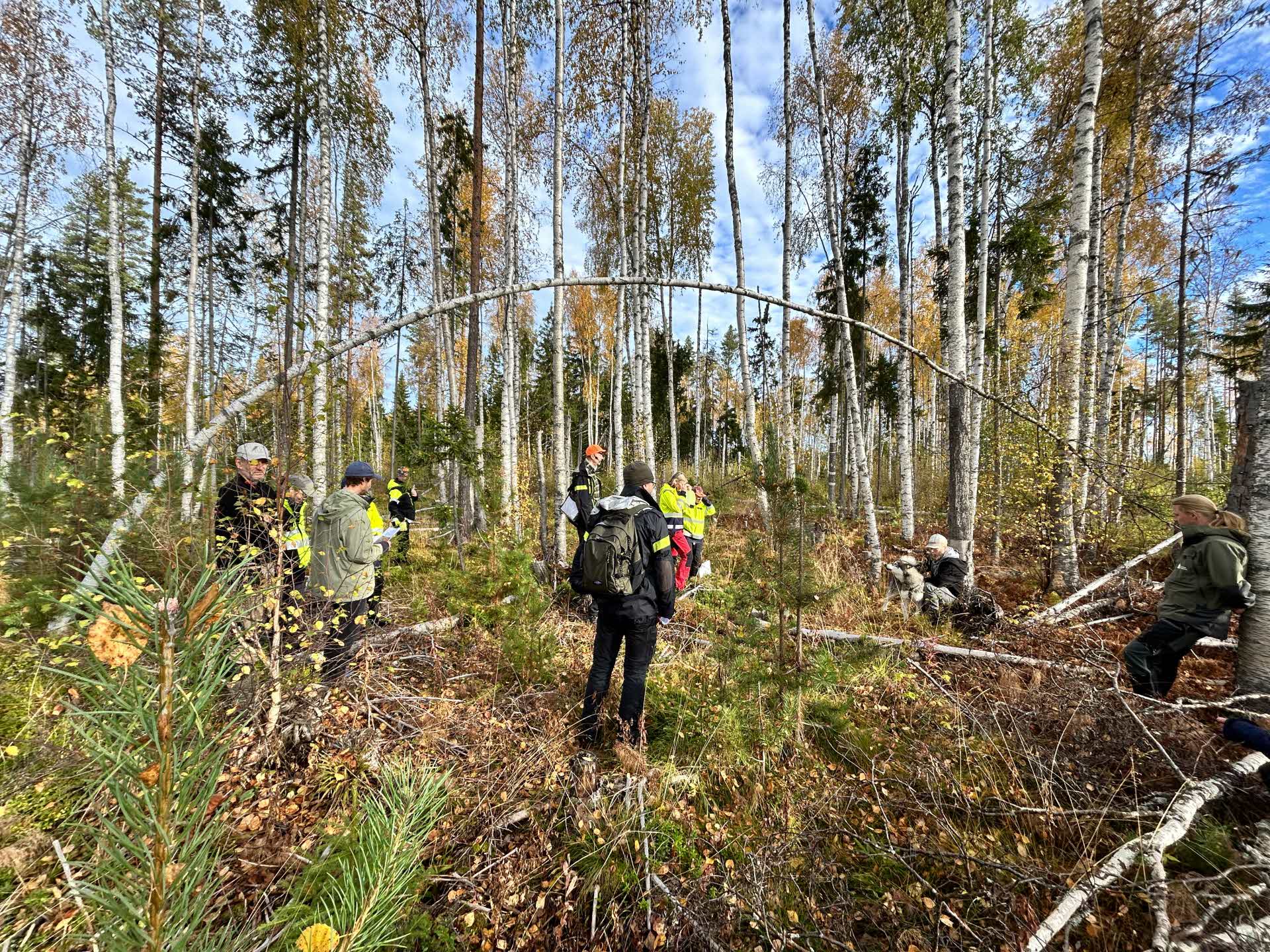
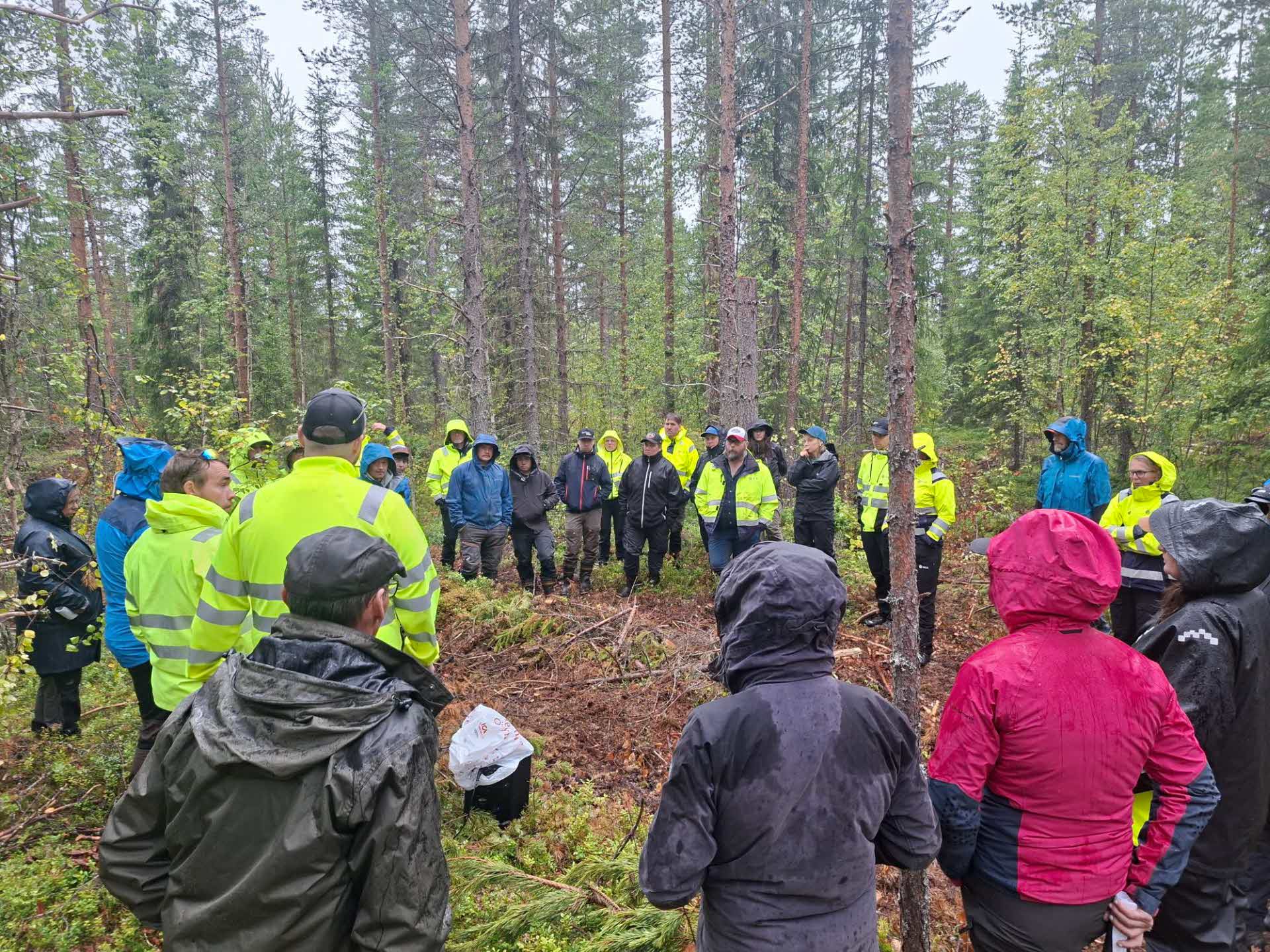
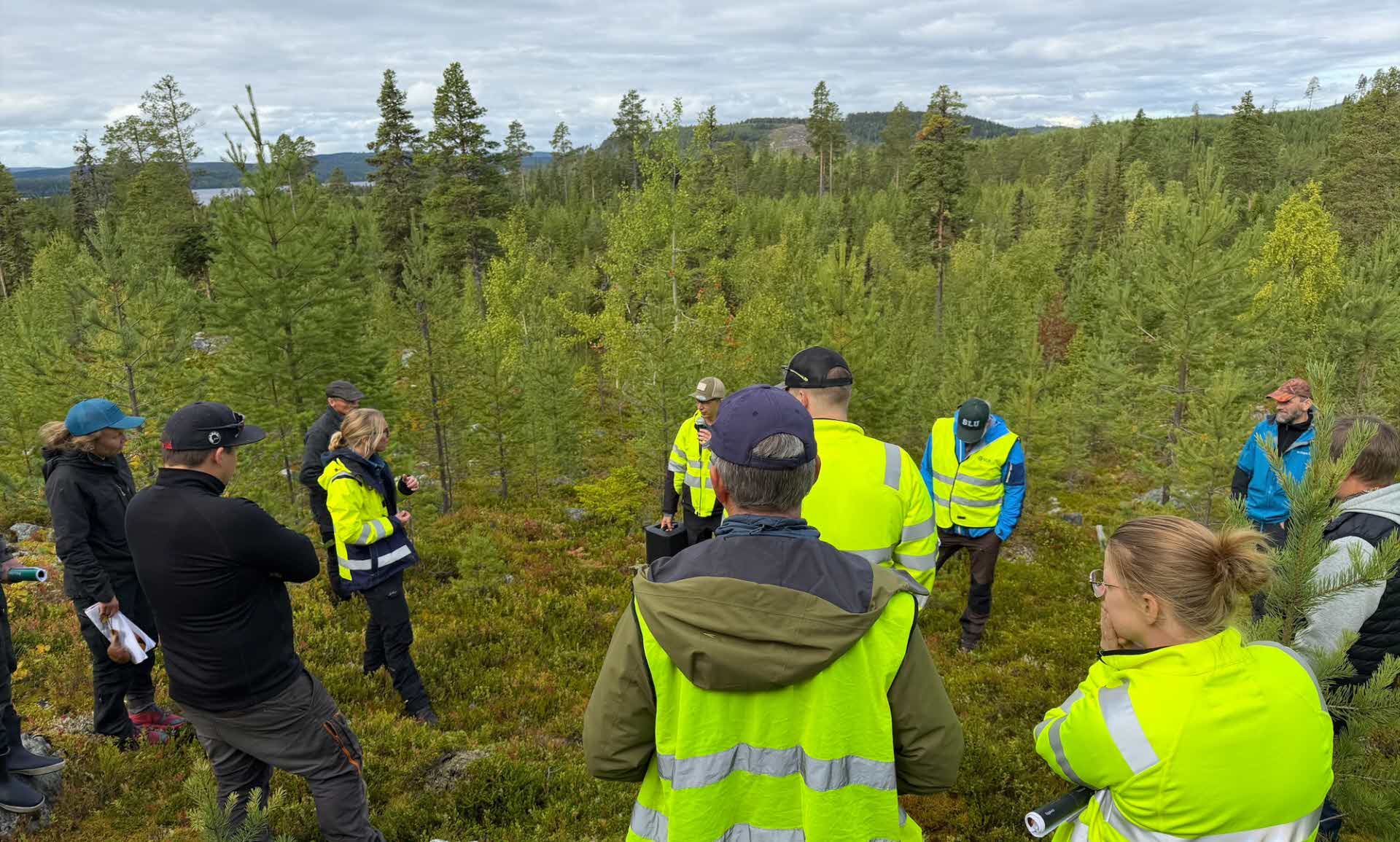
In September, SCA hosted a field excursion for the Collaborative Group for Continuous-Cover Forestry in Southern Norrland. The group visited four sites where SCA has applied different continuous-cover methods. “It is important that we meet and discuss these issues so that, together, we can identify which methods may work”, says Anna Cabrajic, Forest Ecologist at SCA.

The Collaborative Group for Continuous-Cover Forestry in Southern Norrland was formed in autumn 2023. The aim is to promote learning and exchange experience around continuous-cover forestry and other management approaches that increase forest diversity and support the production of high-quality timber for building conservation.

The field excursion attracted nearly 20 participants, who gathered at Ejdån near Graninge in Ångermanland. Representatives from the Swedish Forest Agency, Sveaskog, the County Administrative Board of Västernorrland, the Swedish Environmental Protection Agency and the Swedish Society for Nature Conservation were among those present. Several other forestry companies that are also part of the collaborative group had been invited but were unable to attend.

“We had selected examples of different shelterwood stands as well as selection system harvestingand single-tree selection, to discuss how these methods and measures can be used to consider, preserve and restore different values”, says Askia Sandberg, SCA’s Conservation Specialist in Ångermanland.

An area with a rick broadleaf forest

A deciduous shelterwood stand where SCA harvested mainly spruce in 2018

Creating a deciduous tree stand

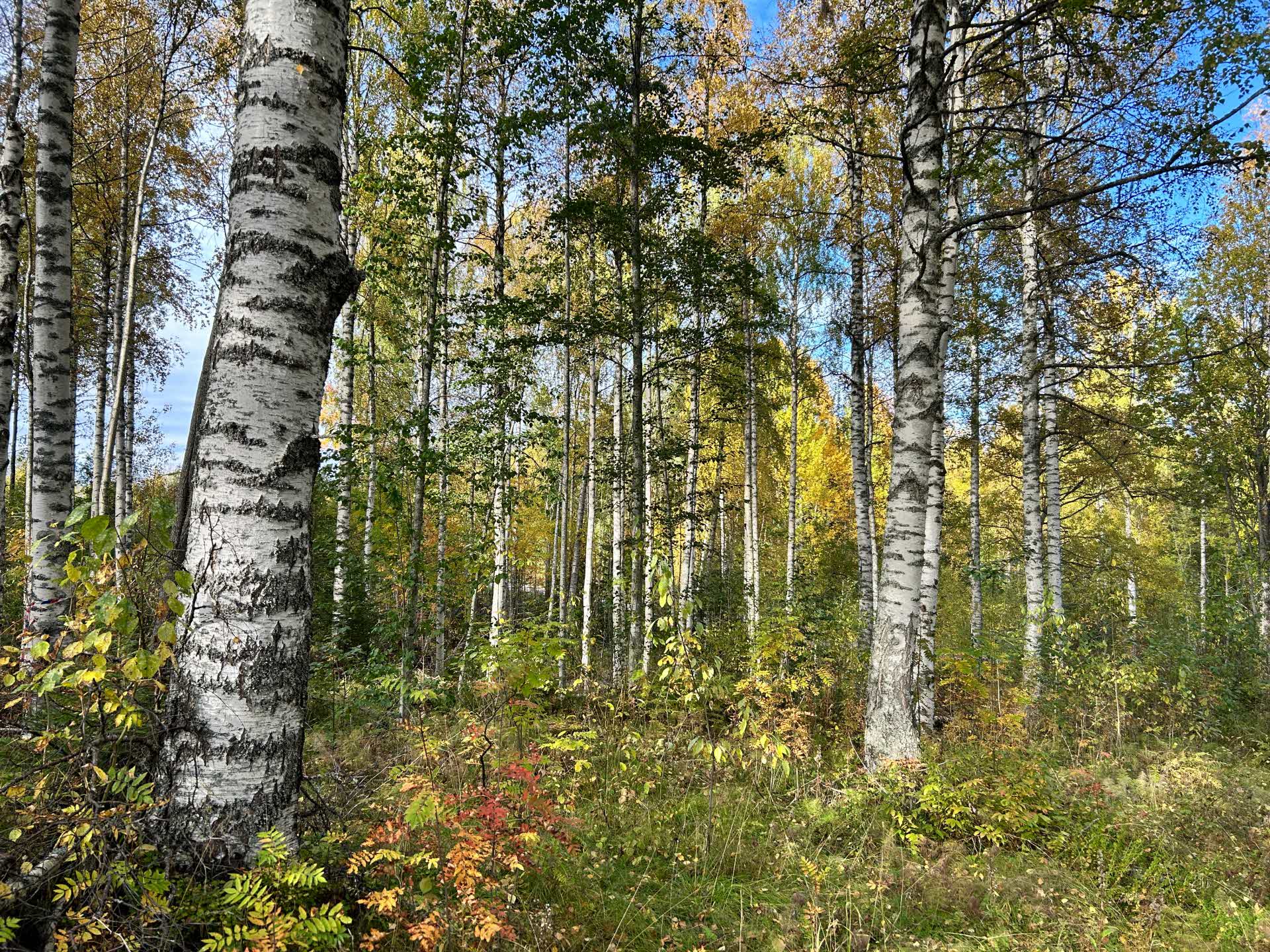
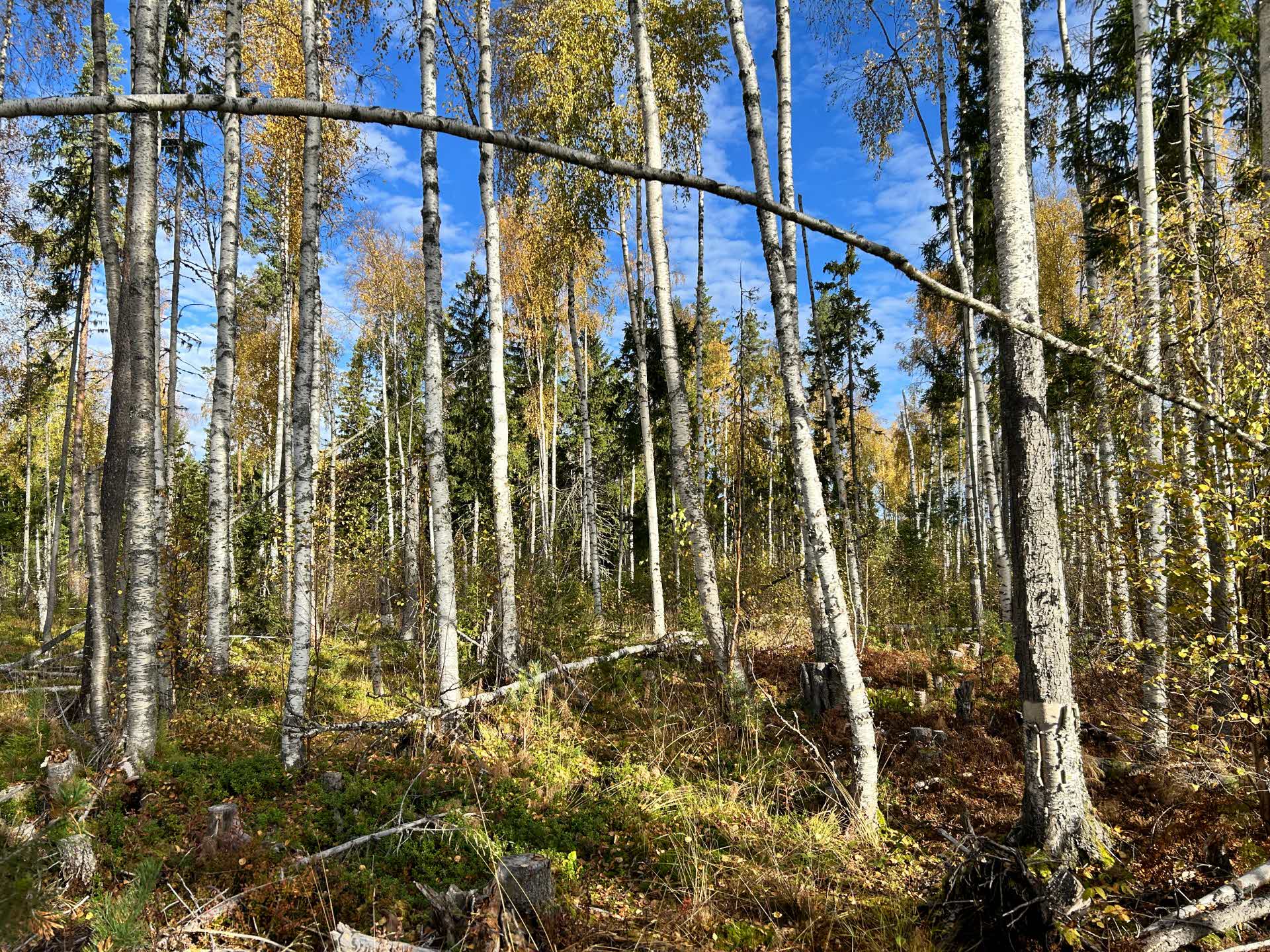
The first stop was a deciduous shelterwood stand where SCA harvested mainly spruce in 2018 to create a birch-dominated habitat that will in time be used for timber production.

“The site itself does not have particularly high nature values, but SCA is working to increase the proportion of deciduous forests as part of FSC certification, and this was a good location for that. Here, the birches can continue to age, and in time we can thin the shelterwood stand”, says Askia. Many birds benefit from deciduous-rich forests with old birch trees, so the measure also supports birdlife in the area.

The group discussed the advantages and disadvantages of the measure and considered what the next step might be in about ten years. It was also noted that establishing new forest may be challenging without any form of site preparation or planting. Continuous-cover forestry is usually based on natural regeneration, but site preparation and planting can also be carried out in gaps and beneath shelterwoods.

“The area is fairly wet, so favouring thirsty birches is an advantage”, was one comment.

If the birches had not been retained, the ground would have become much wetter. Without birches that use a lot of water, it would have been difficult to establish regeneration.

Postponed shelterwoods

Postponed shelterwood of oines

Postponed shelterwood with pines.

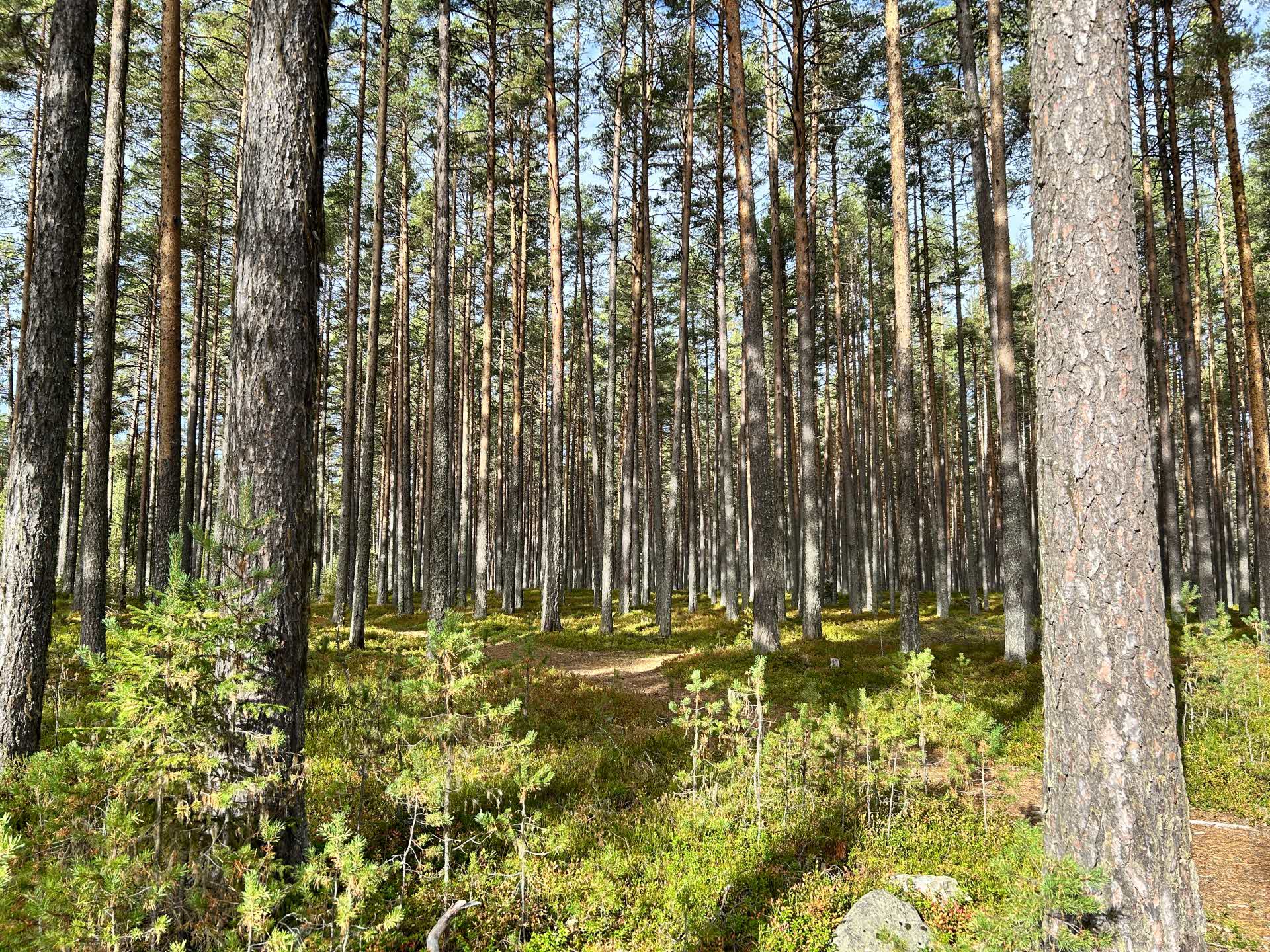
The group then travelled to Viksmon, where SCA has used the postponed pine shelterwood method in three areas. There are pines that are 160 years old, as well as sandy pine forest.

“These forests have been heavily used for a long time because there used to be an ironworks here”, says Askia, continuing:

“Here we have several examples of pine shelterwoods. Some have been left unmanaged and preserved for social reasons because they are an important recreation area for local residents. In the long term, we may be able to carry out some selection cutting, but then we must be careful to preserve the trails”.

A shelterwood with pines

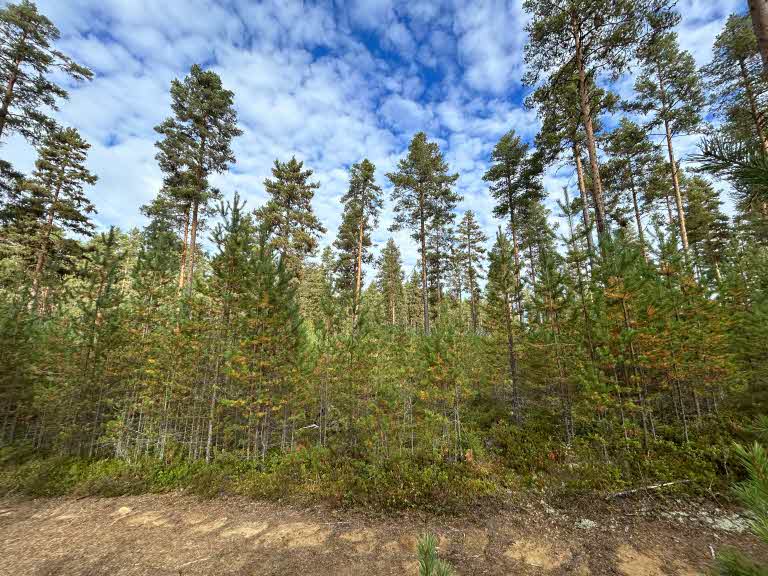
In the second area, SCA harvested some timber in two rounds, in 1995 and 2008, and the stand now consists of 138 stems per hectare. The shelterwood of older pine is fairly dense, with a relatively tall and dense young stand of pine and broadleaf trees underneath, the group observed. However, there were clear bare patches around some retained pines, where the older trees outcompete the regenerating seedlings so they do not receive enough nutrients or light.

“Pines require a lot of light, and that can make regeneration difficult in the long term. The older pine shelterwood may need to be thinned further for the young stand to establish itself”, the group reflected.

The developing young forest will also need to be thinned through cleaning and later thinning, several participants noted.

“But if you thin too much, it will not become a multi-layered forest”, the Swedish Society for Nature Conservation pointed out.

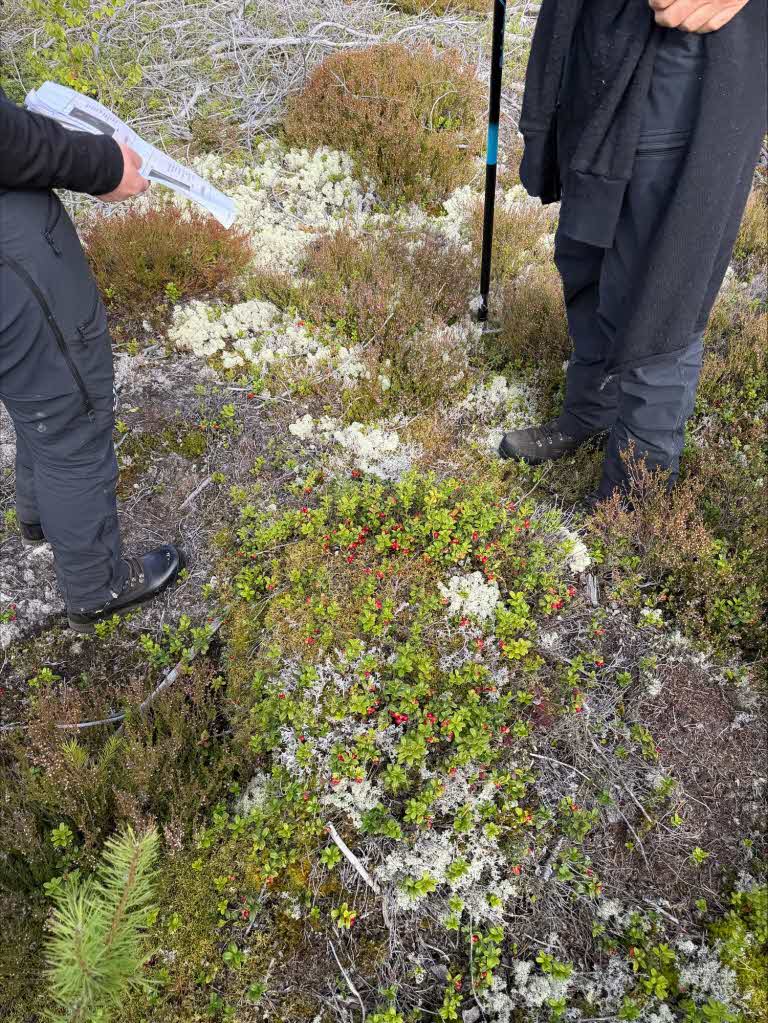
“A more open forest is beneficial for reindeer husbandry. Open stands support ground lichens”, said several forestry specialists with a focus on reindeer management.

Balancing different values

This led the group into a discussion about the challenge of balancing the forest’s different values and how environmental values can best be weighed against social and economic values. The conclusion was that measures that are positive for some values may be perceived as negative for others.

“But we are in a forest, Anna asked. What does it feel like to you?”

Everyone agreed that the forest feeling was certainly there.

Lars-Olov Sarenmark from the Swedish Environmental Protection Agency stressed the importance of adapting the management method to the site conditions. This means that some methods are better suited to certain conditions. For example, retaining a shelterwood in a wetter forest is sensible in order to preserve a “water pump” that helps keep water in check so that new seedlings can establish. Another example is that soil scarification and planting are not needed in areas that regenerate easily, in some sandy pine forests. But this requires very strong local forest knowledge, and today few people have that knowledge.

In the third area, which the group did not have time to visit, timber was harvested in 2008 and the shelterwood was then thinned a few years ago to 25 stems per hectare, fully in line with the Swedish Forest Agency’s guidelines for postponed shelterwood in continuous-cover forestry.

Selection system in spruce forest

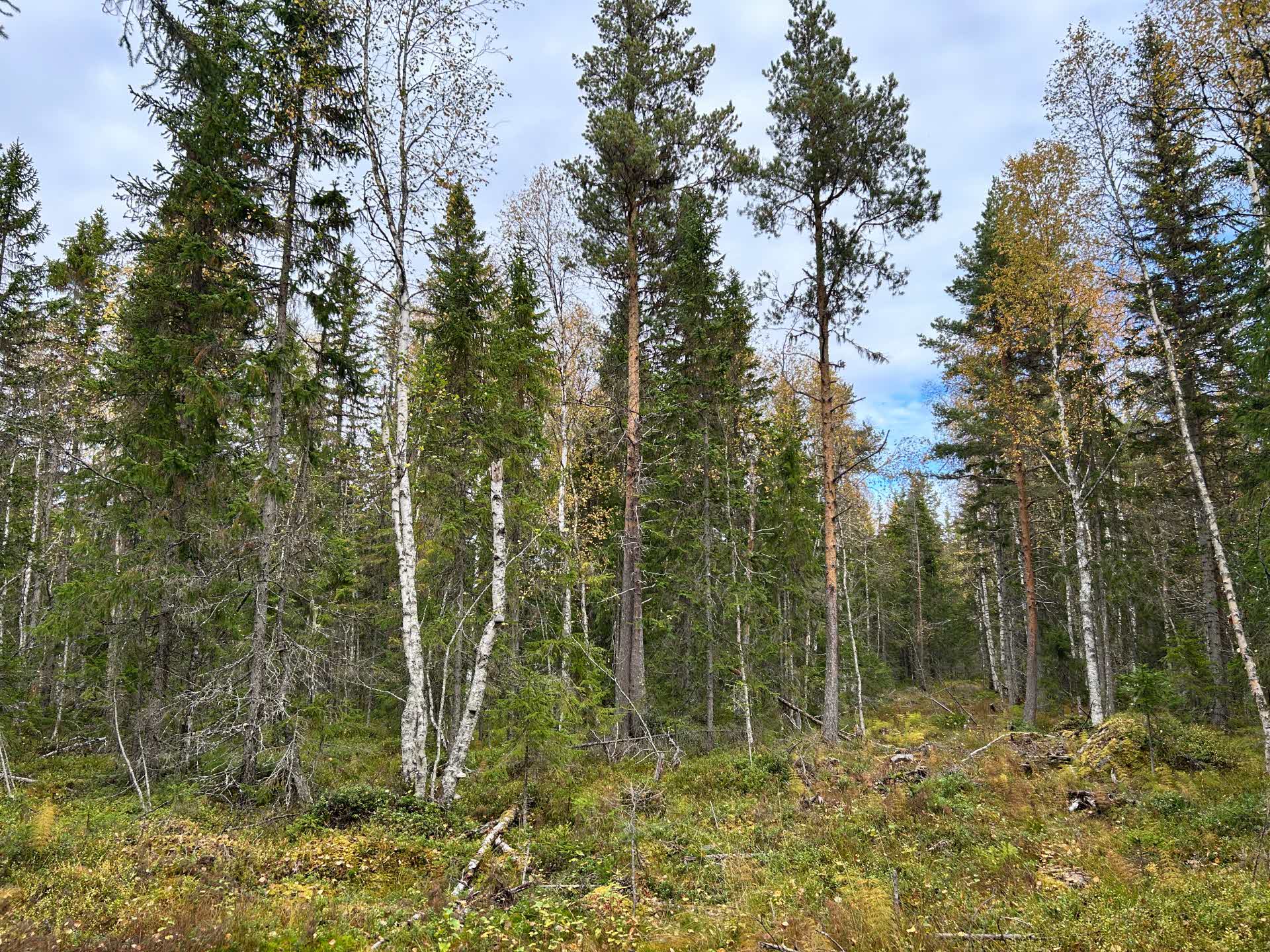
After lunch, the group visited an area of sparse, low-volume spruce forest with some older trees, where SCA had carried out selection system harvesting.

Selection system in spruce forest

Selection system in spruce forest.

“The selection system harvesting was carried out in 2024. The stand itself does not have high nature values, but it lies within a consideration area that contains a number of protected species. That is why we chose a continuous-cover method, where our first action was to harvest only in extraction trails, with a timber removal of around 20 per cent. In 15–20 years, we can reuse the trails and remove a certain proportion of larger trees beside them”, explained Askia.

The Swedish Society for Nature Conservation questioned why the forest needed to be harvested at all.

“According to SCA’s criteria, this is not forest with such high values that it justifies voluntary set-aside. But by using an alternative method, we can preserve the habitat for species while carrying out a cautious timber harvest. In this way, we avoid creating a clearcut, yet still achieve a certain timber yield. At the same time, birds and plants that depend on forest, such as the Siberian jay or creeping lady’s-tresses, can remain”, explained Askia.

“Selection system is a gentle method, said one participant. This becomes a win-win situation, where we can both preserve and use the forest.”

“Alternative forestry is important, and we need to test and see what works”, another participant commented.

“SCA has followed up the implementation, but this year is the first time Skogforsk is systematically monitoring continuous-cover methods so that the sector can see how they work and learn more”, Anna said.

The group also discussed the costs of continuous-cover measures, and SCA’s compilations show that harvesting costs can be fairly high for some methods. Selection cutting, for example, is almost twice as expensive as establishing a shelterwood.

“But cost is not the main focus when we choose alternative methods; instead, we look at what works best in the stand”, said Anna.

Single-tree selection in broadleaf forest

The final stop of the day was in a broadleaf-rich forest where SCA carried out single-tree selection fellings a few years ago. The stand contains many aspens, older broadleaf trees, and some spruce and pine.

Single-tree selection in broadleaf forest

Single-tree selection in a broadleaf forest.

“We want to create a more open stand with a high proportion of broadleaf trees. We mainly harvested spruce but also thinned other trees to create a park-like character,” explained Askia.

The group felt, however, that the forest was still somewhat too dense, although there was a fine variation of tree species of different ages in the stand. Now it is a matter of waiting to see how the forest develops over time.

Rewarding to meet

When the day was finally summed up, everyone agreed that it is very rewarding to meet and talk, and that it has great value to get out and see practical examples in the forest.

“We will continue to keep our meetings together and make sure to go out into the forest to learn more”, concluded Ulf Flygar, advisory specialist at the Swedish Forest Agency and convener of the collaborative group.

Photo: Misan Lindqvist

Latest news on this topic

1 Oct 2026

  • News
  • Forest

SCA and Sami villages met in field excursions

During August, SCA carried out field excursions Älvsbyn and Strömsund with Sami villages that we coordinate our co-planning with. Interest in the meetings was high, and more than 30 reindeer herders from 15 Sami villages took part.

16 Sep 2026

  • News
  • Forest
  • För skogsägare

SCA land host for major road project

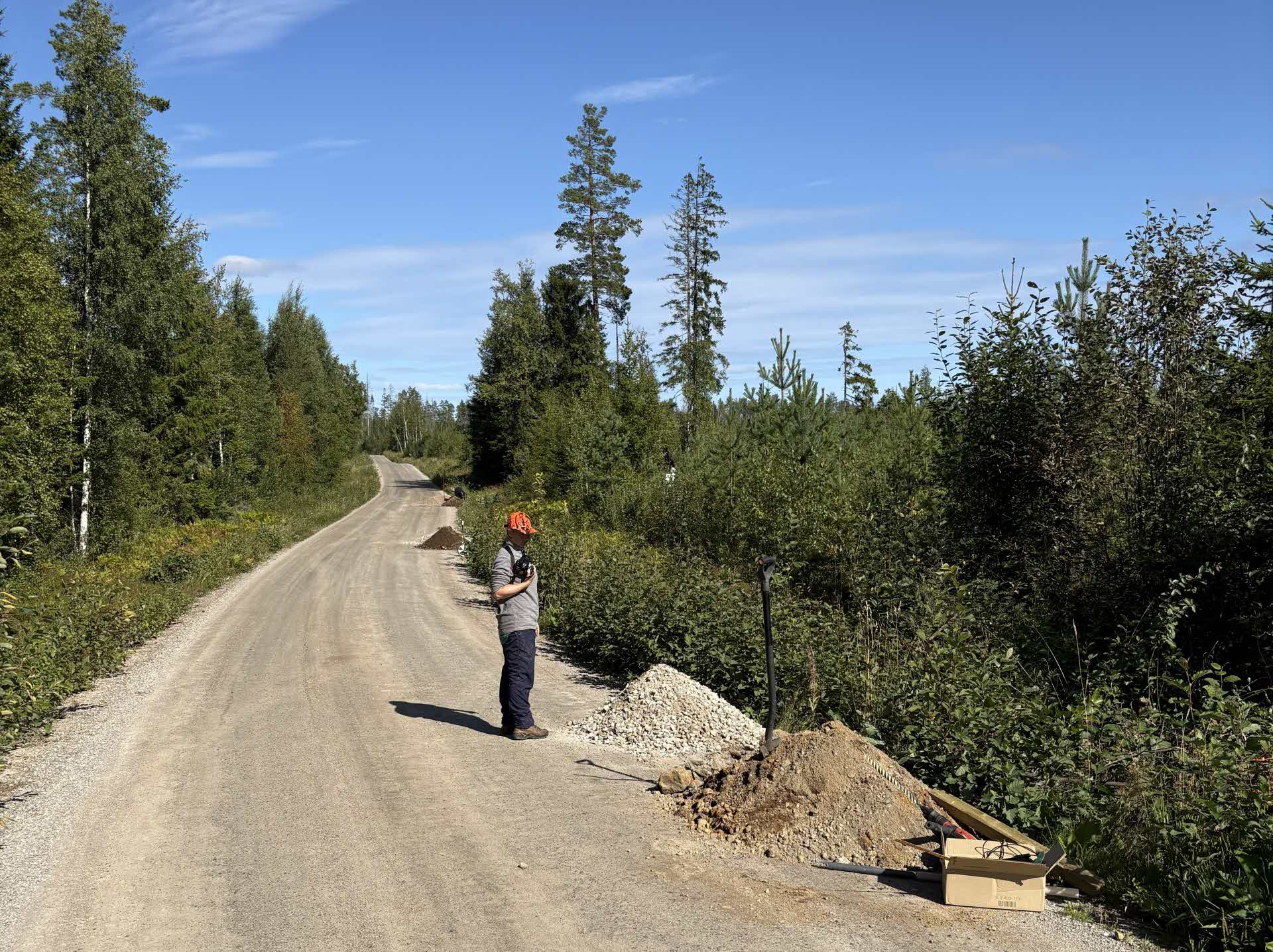
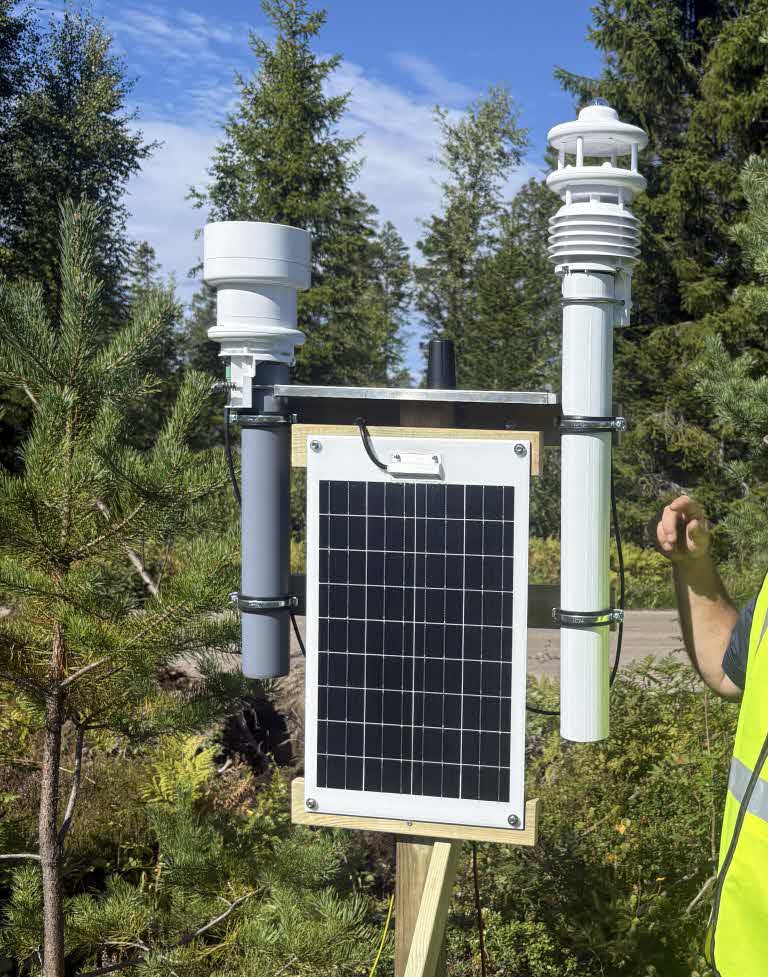
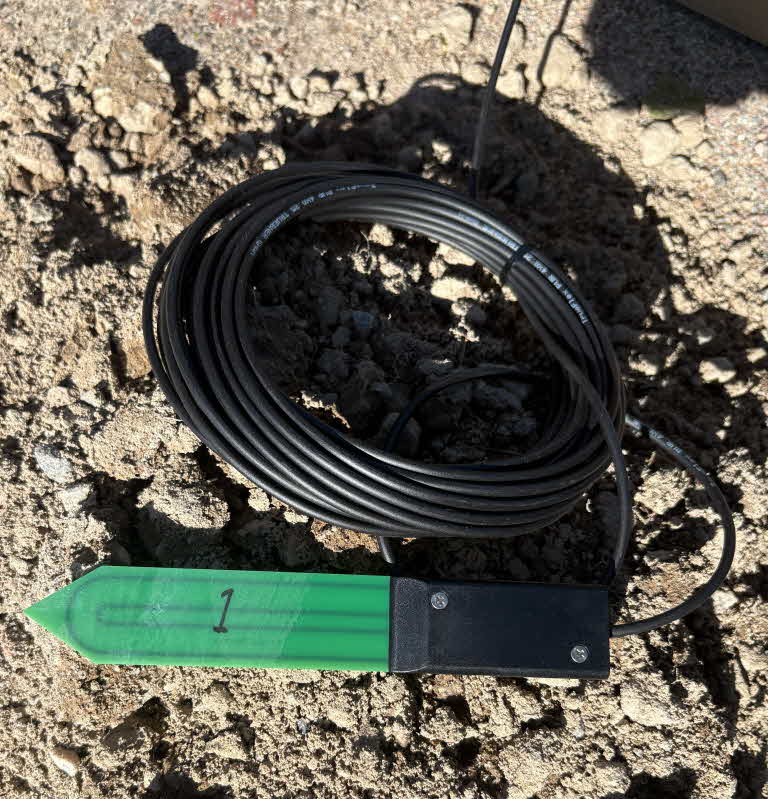
The EU project Northern Traffic Lights aims to develop digital solutions that can monitor and predict the trafficability and maintenance needs of private gravel roads. SCA is participating as a land host in a project part led by Skogforsk, anh has now two advanced weather stations on its road network along tin northern Sweden.

31 Aug 2026

  • News
  • Forest
  • Sustainability

SCA has re-wetted 150 hectares of wetland in Västerbotten

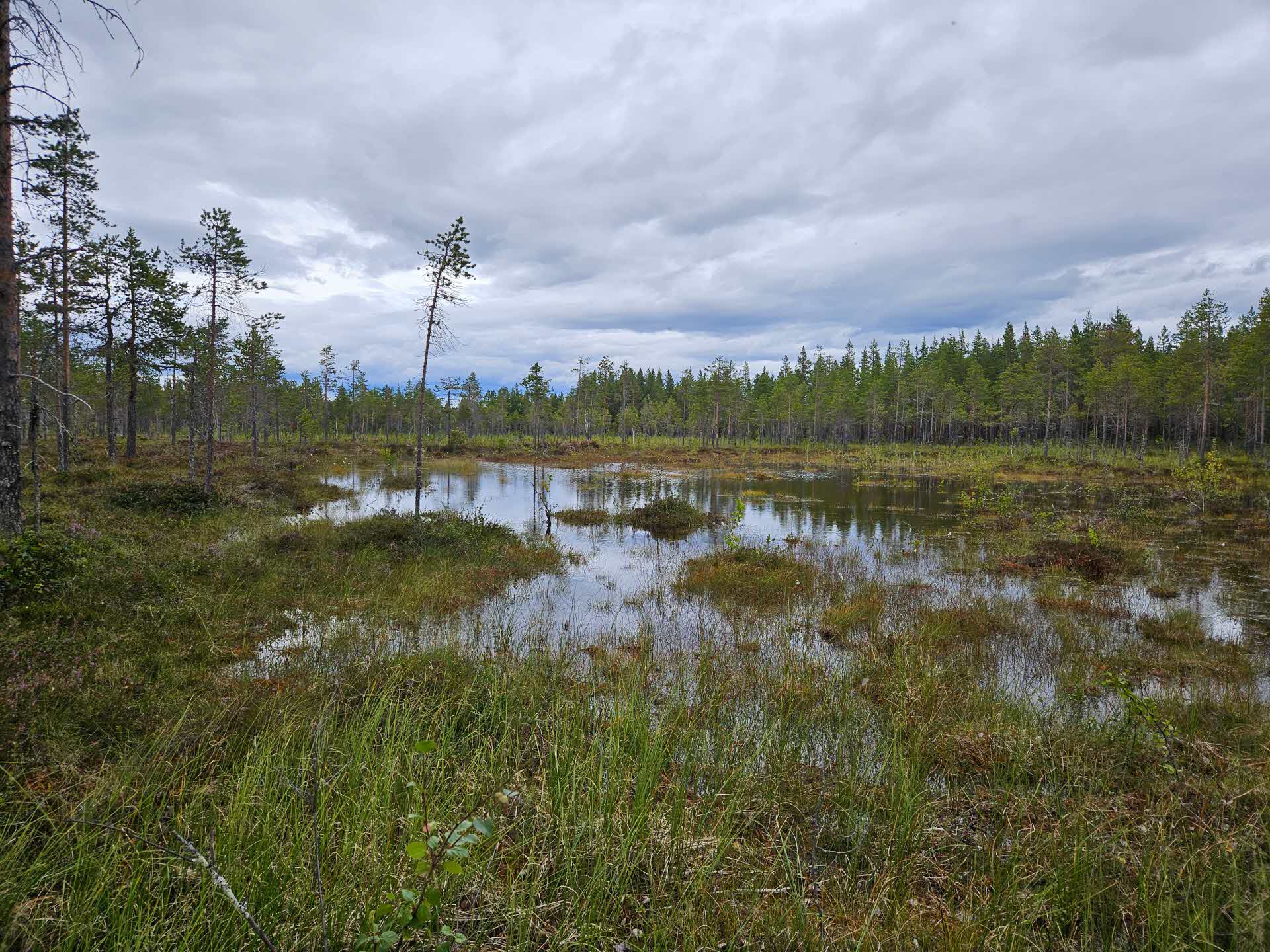
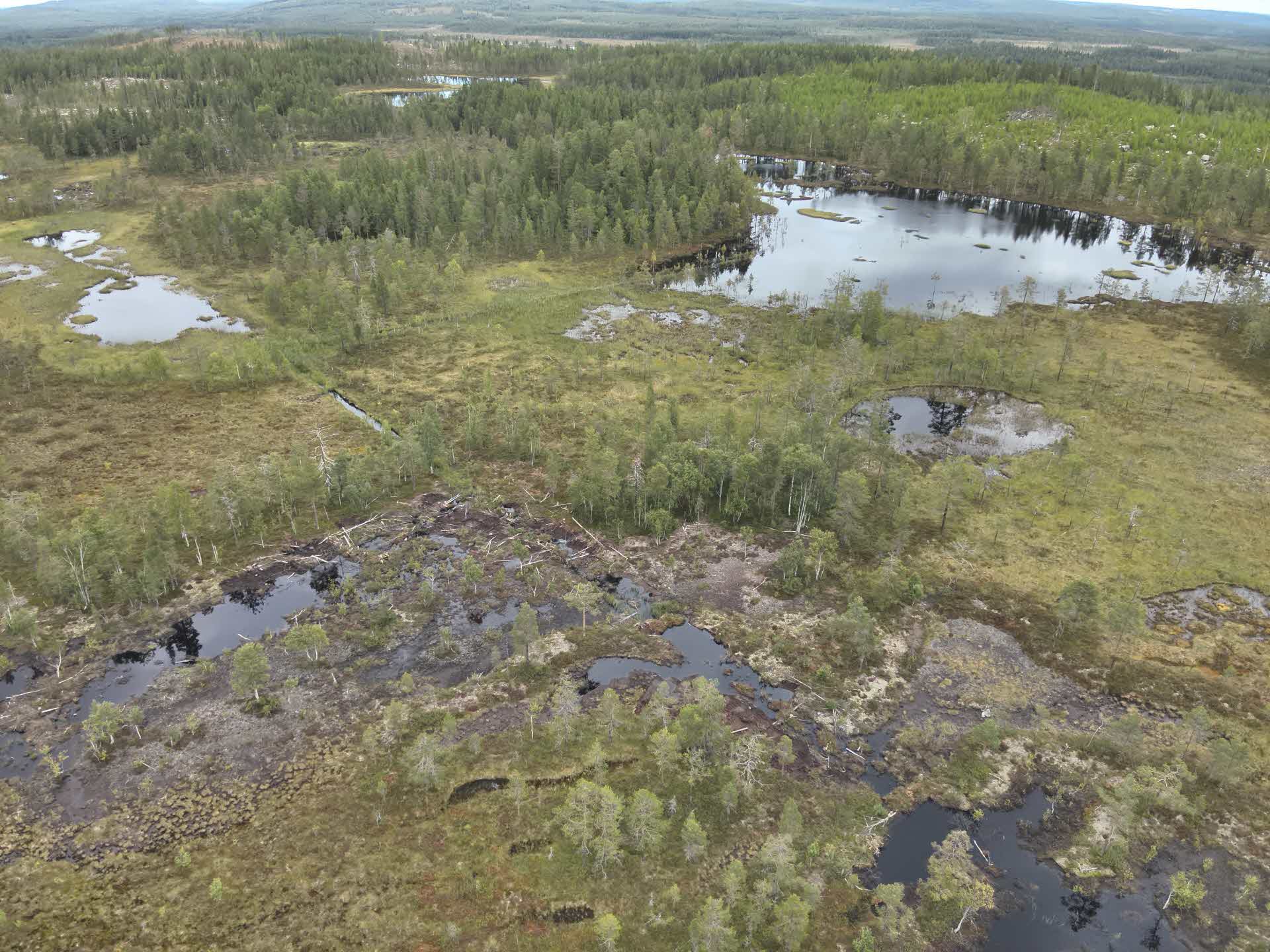
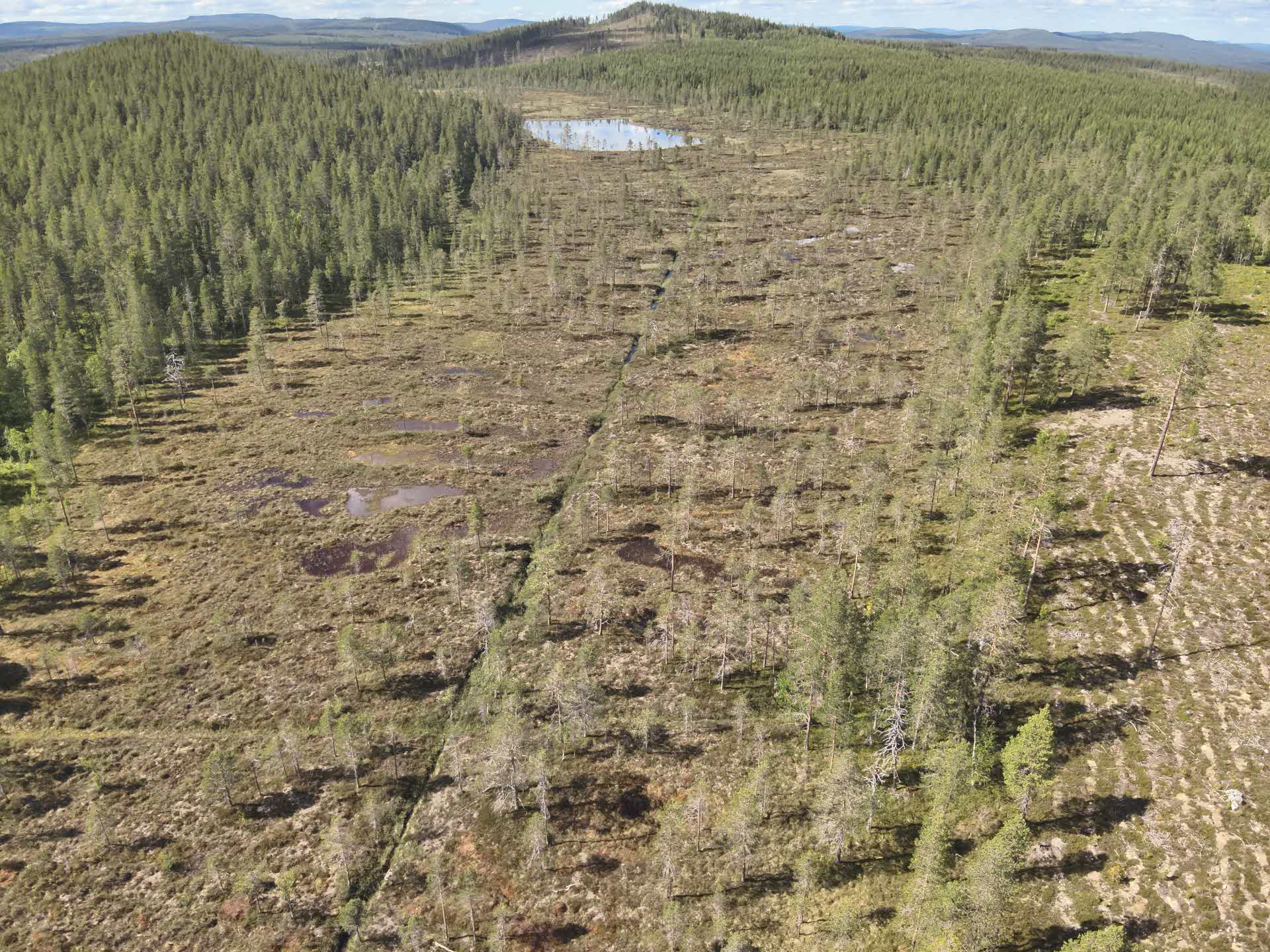
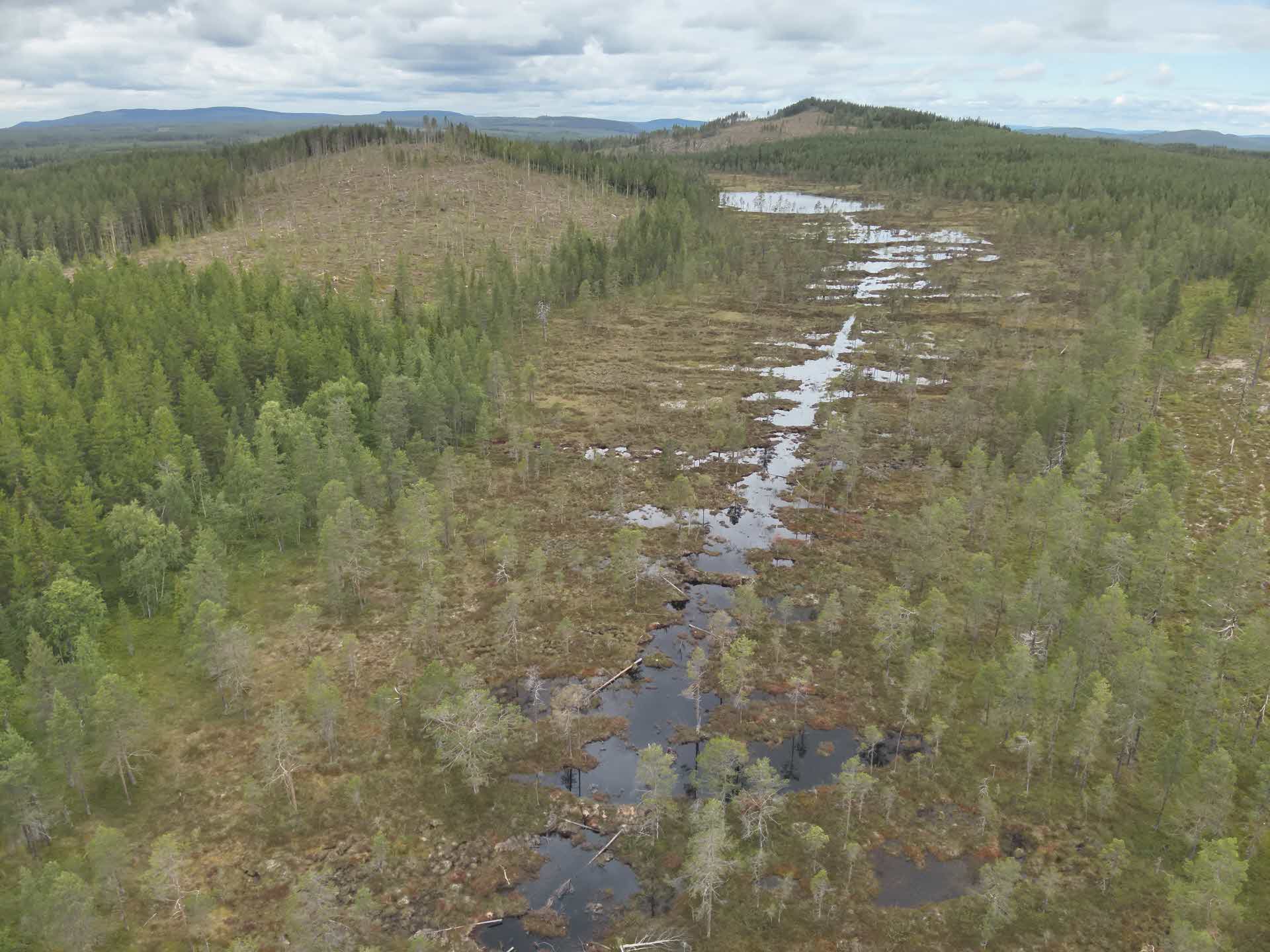
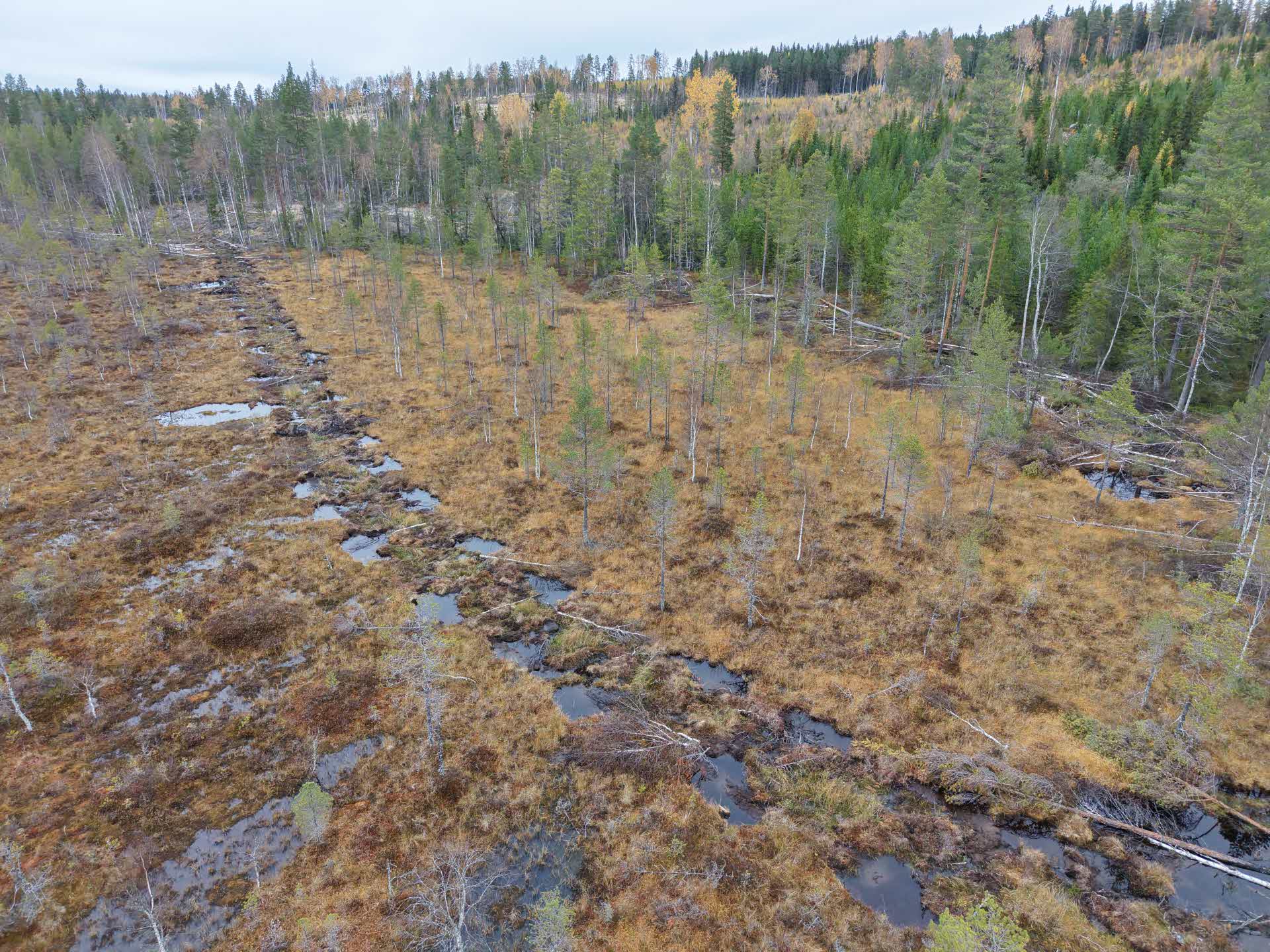
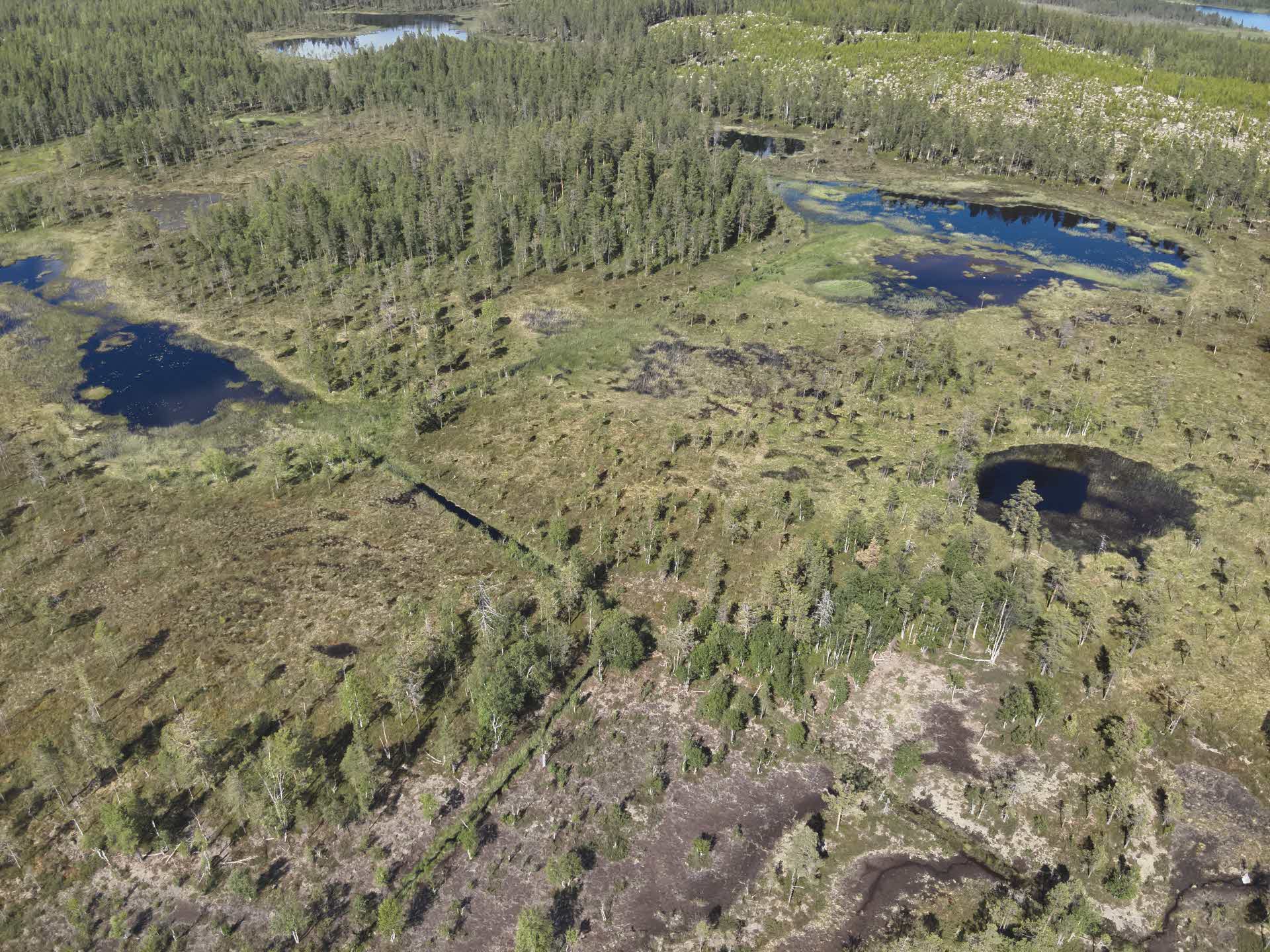
Over the past year, SCA has blocked ditches across a 150-hectare wetland area in Lycksele Municipality. In total, around 15 km of century-old ditches have been restored with funding through LONA. “We can already see positive effects of the re-wetting",says Ulf Hallin, Nature Conservation Specialist at SCA.

Welcome to SCA

  1. Forest

  2. Wood

  3. Containerboard

  4. Renewable energy

  5. Pulp

  6. Logistics

  7. News

Search

Welcome to SCA

  1. Forest

  2. Wood

  3. Containerboard

  4. Renewable energy

  5. Pulp

  6. Logistics

  7. News

Search

Welcome to SCA Search

Open navigation menuClose navigation menu

The fiberline project at Östrand has reached the finish line Bull 1 Bear 0 Product/operations
  • News
  • Pulp
  • 14/10/2026

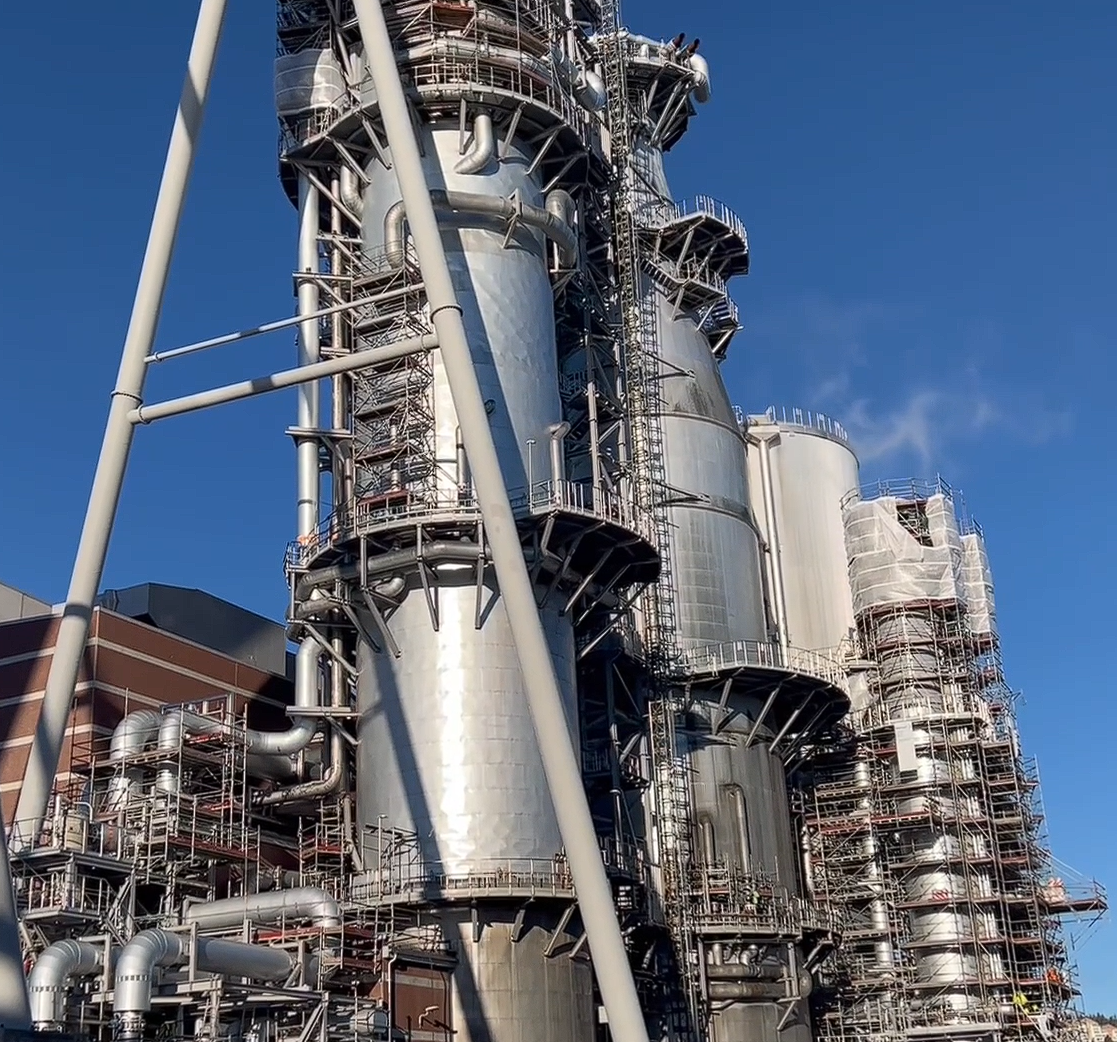
The fiberline project at Östrand is now complete. During the annual maintenance shutdown, the final work was carried out before startup, marking the completion of one of SCA’s larger projects this year.

The investment in Östrand’s digester area is fundamentally about creating a safer and more stable process. The aim has been to reduce the risk of blow-through, improve availability, and lay the foundation for a sustained increase in production rate.

A key part of the project has been the redesign of the steaming and impregnation stages, including a new hot top solution. This keeps the entire chip column warm and helps reduce the risk of unstable cooking. At the same time, the temperature in the impregnation stage has been lowered, further improving operational reliability.

The project also includes a new washing stage after the digester, with two pressure diffusers designed to deliver better washing results while reducing the use of washing liquid. In the long term, the solution is expected to contribute to better runnability, higher wood yield, and more sustained production.

The work has been technically complex, but close collaboration between SCA, Valmet and other contractors, as well as strong internal engagement, has helped keep the project on schedule.
“We involved as many people as possible with the relevant expertise in meetings and follow-ups. I believe that has been one of the reasons it has worked so well, says Daniel Solberg, process manager in the project.

A 96-hour test run of the new equipment is now underway. If it goes as expected, SCA will take over the new equipment.
“The next step is to bring the plant up to full speed and then continue with optimization and fine-tuning, says Hanna Norberg, process engineer in the project.

Latest news on this topic

23 Sep 2026

  • News
  • Pulp

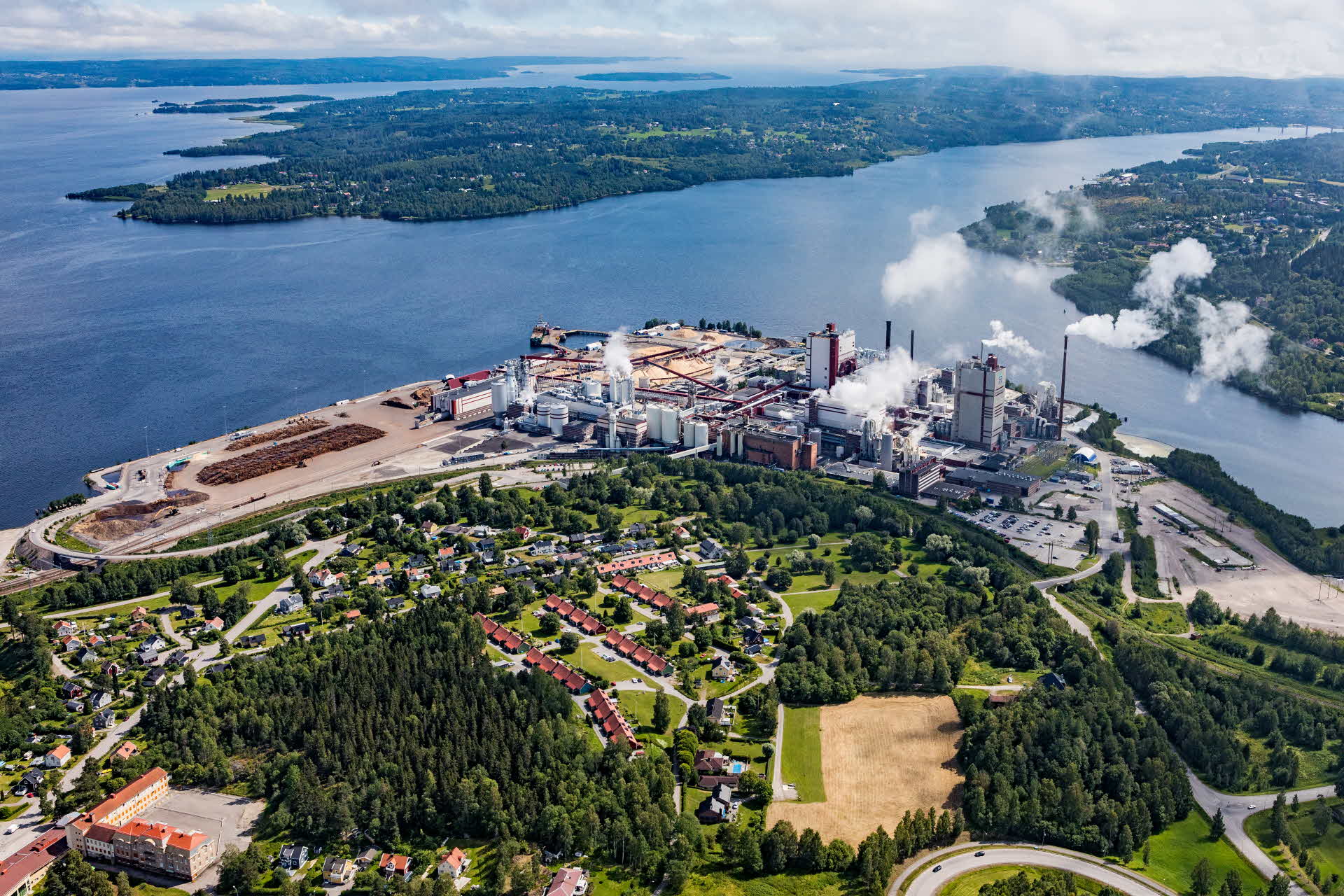
Östrand – the energy mill with power

Did you know that Östrand’s pulp mill in Timrå produces around 220 GWh more electricity annually than Bergeforsen hydropower plant*? That is not what one would usually expect from a pulp mill. But at Östrand, forest raw material becomes not only pulp, but also large amounts of renewable energy. This makes the facility an important part of both industry and society’s energy supply.

6 May 2026

  • News
  • Packaging paper
  • Pulp
  • Company news

SCA establishes integrated market and sales organization for Pulp and Containerboard

SCA is bringing its market and sales organization together under a common structure for Pulp and Containerboard, creating a clearer overall responsibility for sales and marketing across the business areas.

12 Jun 2025

  • News
  • Nyheter/Artiklar ämnen
  • Pulp

Reliable pulp supply

“In a somewhat turbulent and uncertain time, we want to be a stable, long-term partner that our customers can truly rely on for their raw material supply,” says Arvid Eriksson, Director Global Sales NBSK.

Welcome to SCA

  1. Forest

  2. Wood

  3. Containerboard

  4. Renewable energy

  5. Pulp

  6. Logistics

  7. News

Search

Welcome to SCA

  1. Forest

  2. Wood

  3. Containerboard

  4. Renewable energy

  5. Pulp

  6. Logistics

  7. News

Search

Welcome to SCA Search

Open navigation menuClose navigation menu

Prompts

SCA (ticker SCA-B), listed in Sweden.

ETFs Holding SCA

ETF Weight in ETF Shares Market value As of
CCNR 0.48% 179,284 $ 2.038M Jul 31, 2026
DFIV 0.04% 797,458 $ 9.56M Nov 12, 2026
AVDE 0.04% 703,700 $ 8.119M Nov 16, 2026
NTSI 0.03% 15,687 $ 160.628K Jun 30, 2026
DFSI 0.03% 30,823 $ 369.55K Nov 12, 2026
DFAI 0.03% 468,504 $ 5.616M Nov 12, 2026
AVSD 0.03% 11,202 $ 129.25K Nov 16, 2026
DFIC 0.02% 319,944 $ 3.836M Nov 12, 2026
DFAX 0.01% 147,614 $ 1.77M Nov 12, 2026
DXIV 0.01% 1,931 $ 23.148K Nov 12, 2026

Securities

Ticker Type Class Market Exchange Last price Price date
SCA-A Common share A SE nordic — —
SCA-B canonical Common share B SE nordic 116.25 SEK 2026-02-05