Mowi ASA is a global producer of farm-raised Atlantic salmon and an integrated seafood company. The company operates through three business segments: Feed, Farming, and Sales & Marketing. Its main products include whole fish, plain or marinated fillets, steaks, hot- and cold-smoked salmon, burgers, and tartars. Mowi maintains full internal control over its value chain, including genetics, feed production, farming operations, harvesting, processing, logistics, and sales. The Feed segment comprises feed plants in Norway and Scotland. The Farming segment incorporates farming operations, primary processing, and filleting activities in Norway, Scotland, Canada, Chile, Ireland, and the Faroe Islands. The Sales & Marketing segment includes secondary processing and value-added operations in Europe, the US, and Asia. Mowi serves customers in the retail, horeca, and industry segments across multiple international markets. The company is represented in various countries and employs staff worldwide.

Summarised from the company's own disclosures, fiscal year ended Oct 2026

Industry Farm Products Homepage mowi.com
Sector Consumer Defensive IR page mowi.com/investors
Tags
salmon farming, aquaculture, seafood processing, fish feed, integrated supply chain, retail seafood, horeca seafood, Mowi, Mowi ASA, Blue Revolution, Coller FAIRR Protein Producer Index
Press page mowi.com/category/news

Metrics

Valuation  
Market cap —
Market cap (USD) —
P/E —
PEG —
P/BV —
P/S —
P/OCF —
P/FCF —
Dividend yield —
Turnover / mcap —
Returns  
ROE —
ROI —
ROIC —
Profit margin —
Growth  
Revenue growing —
Profits growing —
Revenue up 3y —
Revenue up 5y —
Earnings growth 3y (net profit CAGR) —
Quality  
Profitable —
Margin expanding —
Buying back stock —
Diluting (TTM) —
Debt/Equity —
Podcast bulls (TTM) Sign up
Podcast bears (TTM) Sign up
Podcast sentiment (TTM) Sign up
Podcast sentiment % (TTM) Sign up
News sentiment (TTM) 4
Quality score —
Insiders  
Buys, 1w Sign up
Buys, 1m Sign up
Buys, 1y Sign up
Sells, 1w Sign up
Sells, 1m Sign up
Sells, 1y Sign up

Sign up to see this company's insider trades

Sign up to see institutional holdings

Sign Up

Podcast Mentions

Sign up to see podcast mentions and sentiment

Sign Up

Sharing knowledge across the Value Chain Bull 0 Bear 0 Routine

Share

Every site, region and country operates under different conditions, encouraging knowledge to flourish in different ways, which is why one of Mowi’s greatest strengths is our people sharing what they know.

Operating worldwide, with expertise in areas such as operations, research, quality control, and product development, Mowi proudly takes a lesson learned in one location and puts it to work in another. The result is a better product, a better working life for our people, more resilient local communities, and a more sustainable future for food production.

A recent example is Norway, where harmful plankton, including algae and microjellyfish, can challenge salmon farms. To help tackle the problem, Mowi Norway brought in experience from the other side of the world.

Pamela Urrutia, Head of Productive Environmental Management from Mowi Chile, spent a week in Norway visiting six farming sites. Working alongside local teams, she shared knowledge around plankton monitoring and the use of upwellers. These systems use compressed air to lift deeper water to the surface, improving circulation and oxygen around the fish and reducing exposure to harmful organisms. The approach has already been used in Chile and Canada, and the teams are now adapting it to Norwegian conditions.

Øyvind Oaland, COO Farming, explained the approach: “Challenges such as harmful algae and microjellyfish are not unique to one region, and neither are the solutions. By bringing together expertise from Chile and Norway, we accelerate learning, challenge our assumptions, and help our farming teams implement proven practices faster.”

For Pamela, the knowledge flows both ways: “I leave with new ideas, stronger connections, and an even greater appreciation for what we can achieve when we work together as one global Mowi team.”

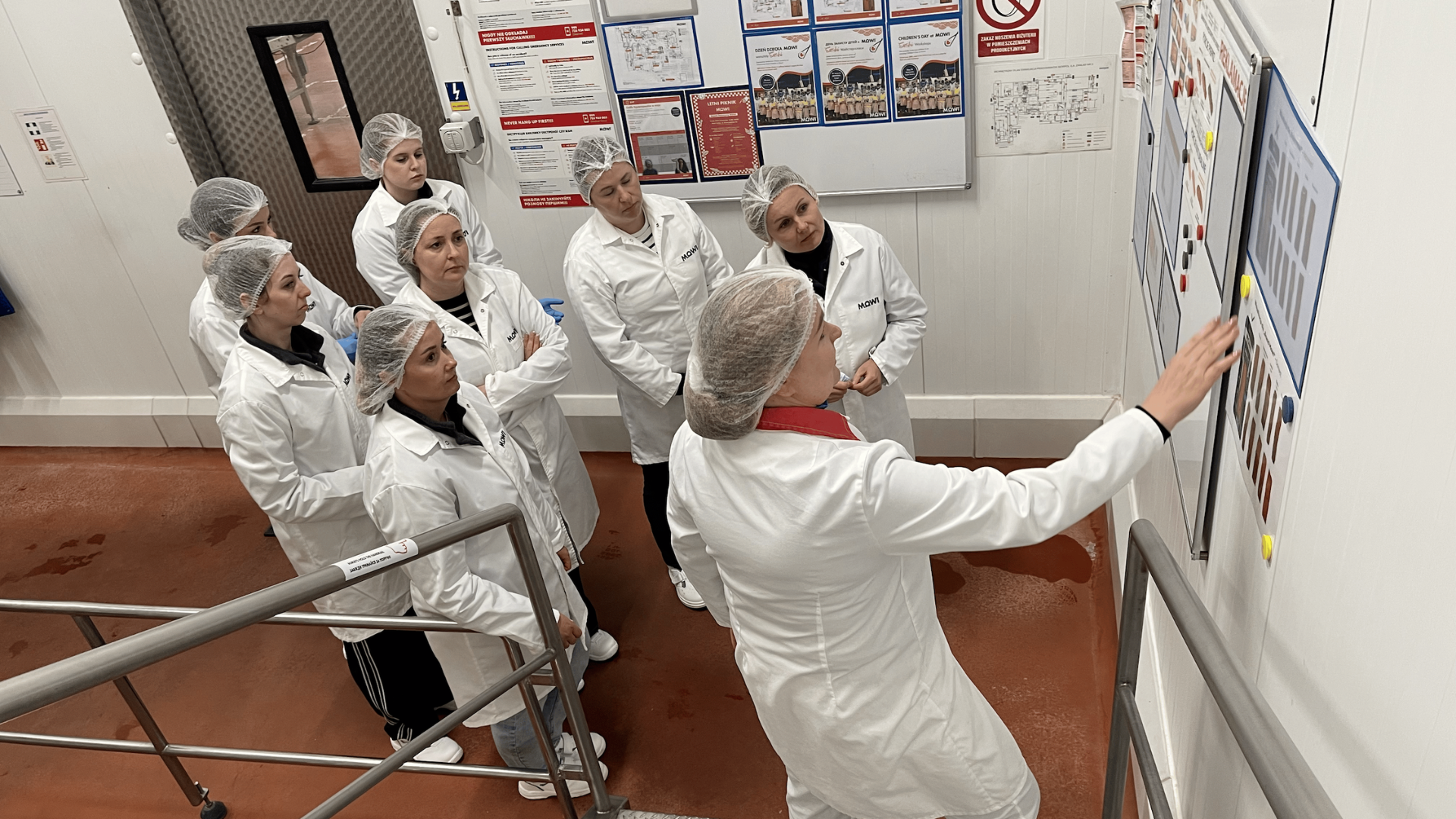
Knowledge sharing isn’t just happening on our farms, though. At Mowi Poland, Quality Manager Karolina Radzka saw a wealth of experience spread across sites and wanted a simple, repeatable way to share it. The result was the Quality Experience Exchange Programme.

In the first pilot, a team of quality controllers visited the Duninowo site, where they took part in laboratory tasks, prepared samples, performed microbiological plating and joined a product panel test. Teams from Lębork and Duninowo have also swapped visits to compare how each site works.

Ultimately, these exchanges are about people, practice and the opportunity to learn from one another. Each visit brings fresh perspectives and practical ideas that can help improve the quality of the products we deliver to customers.

The same principle applies to learning and development. In Tokyo, Mowi’s first Mowi Academy training in Asia brought together HR colleagues from seven markets to learn how to create interactive training content in multiple Asian languages. Together, they built Asia Academy, a dedicated learning site for the region.

Ariel Hsieh, HR Director at Mowi Asia, said: “Everyone could engage deeply, learn effectively, and immediately apply the knowledge in practice.”

Donald Waring, Mowi’s Learning & Development Manager based in the UK, also said he enjoyed teaching colleagues “to be self-reliant on Mowi Academy for the future.”

Across Mowi, learning also happens through bringing different disciplines and perspectives together. In April 2026, colleagues from Farming, Global R&D and Technical, Feed, Breeding and Genetics, and Sales and Marketing came together in Sotra, Norway, for an Agility & Communication workshop. As Catarina Martins, Chief Sustainability and Technology Officer, said: “Agility is about how quickly we learn and adjust together. But without strong communication, agility turns into noise.”

Mowi has long identified sharing knowledge, best practice, and skills across business units and countries as an important part of its approach to continuous improvement. By sharing knowledge at every step of the chain, Mowi can grow healthier fish, create safer workplaces, develop high-quality products, and create a lasting impact on the communities in which we work.

Because ultimately, knowledge sharing is not about one person, one site or one region. It’s about what happens when the whole organisation learns together.

As Catarina Martins summarises: “When one part of Mowi learns, all of Mowi becomes stronger.”

Other articles

See all articles
Sep 24, 2026

Supporting the communities where we live and work
Sep 10, 2026

How does Mowi protect biodiversity?

See all articles

Close

Privacy Overview

This website uses cookies to improve your experience while you navigate through the website. Out of these, the cookies that are categorized as necessary are stored on your browser as they are essential for the working of basic functionalities of the ...

Necessary

Necessary

Always Enabled

Necessary cookies are absolutely essential for the website to function properly. These cookies ensure basic functionalities and security features of the website, anonymously.

Functional

Functional

Performance

Performance

Analytics

Analytics

Advertisement

Advertisement

Others

Others

SAVE & ACCEPT

Powered by CookieYes Logo

Supporting the communities where we live and work Bull 0 Bear 0 Routine

Share

For many rural, coastal and island communities, having access to local work means more than earning a living. It can give people the chance to build a career without leaving home, while helping keep local businesses and services going.

Mowi operates in many of these communities worldwide, and our work is an important part of local economies.

In Norway, Mowi operates across 70 municipalities, from Flekkefjord in the south to Kvænangen in the north. A new analysis by Menon Economics found that Mowi’s activities support more than 16,000 direct and indirect jobs across the country.

The value of these jobs can be especially clear in smaller coastal communities. For example, in Herøy in Nordland, Mowi accounts for almost 60% of private-sector employment. In communities like this, local workers can make a real difference. It gives people the chance to stay close to home while helping to sustain businesses and services.

Mowi’s investment in skills and training can also help create opportunities for the next generation. The opening of a new post-smolt facility at Haukå in 2025, for example, created new local jobs and apprenticeship opportunities, helping to build skills that can stay within the region.

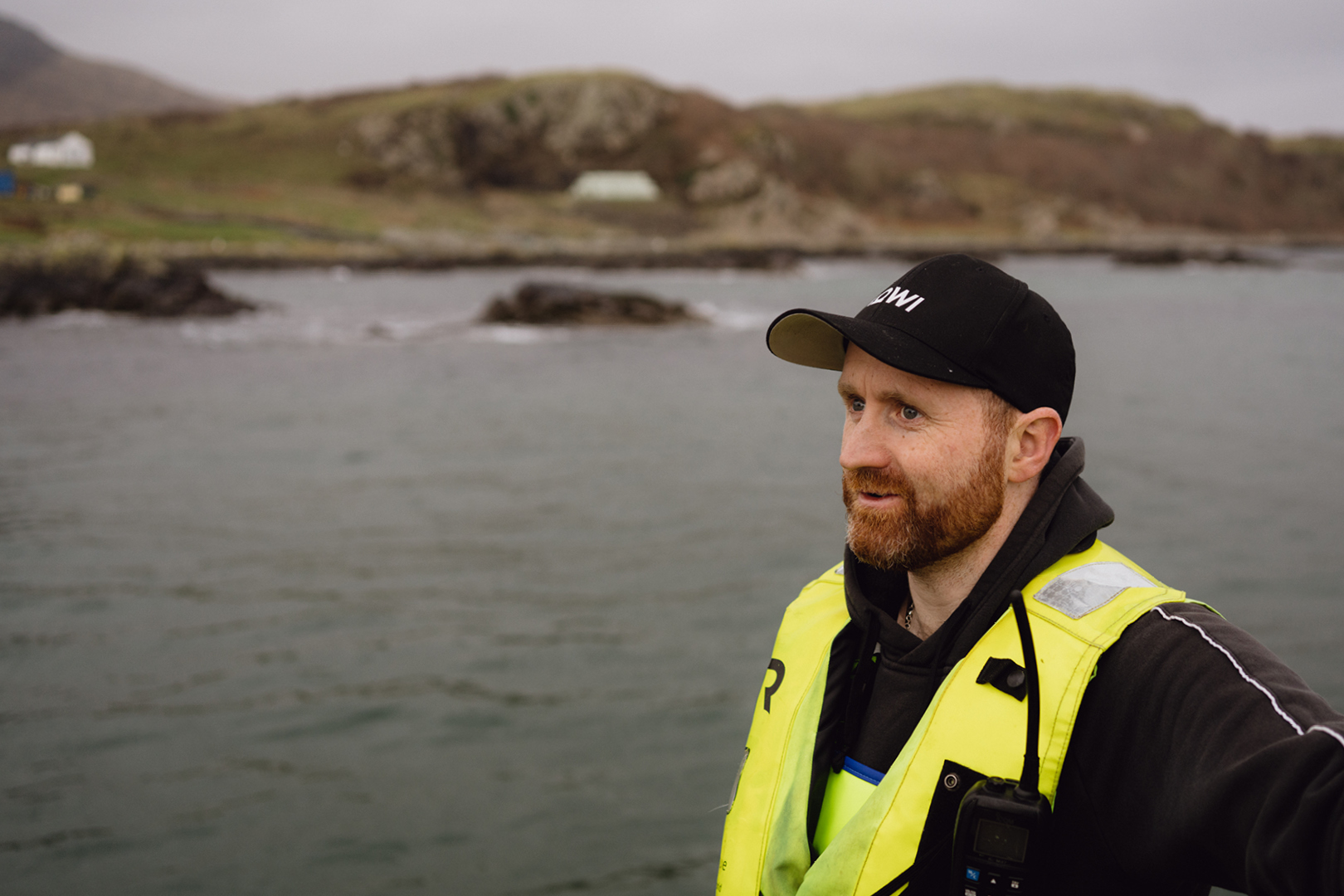
The same is true in Scotland, where many of our farms are located in remote and rural communities across the Highlands. In some areas, Mowi is one of the main local employers. Our people are also closely involved in their communities, with colleagues volunteering with organisations such as the coastguard, mountain rescue and fire services.

Local employment and training can help younger people see a future in their home communities. Over time, this can help maintain the local population and the businesses and services that depend on it.

But Mowi’s contribution to rural communities goes beyond the jobs created by our own operations. We support local communities through community investment, donations and volunteering, while also working with schools and universities to help people learn more about careers in aquaculture.

In Scotland, for example, our farms have hosted university students studying aquaculture-related subjects, giving them hands-on experience while strengthening links between education and the industry. Mowi has also participated in numerous beach cleans, providing equipment for local groups and supporting activities for children and young people. And we have supported shinty for almost 40 years, reflecting the importance of the sport in many of the communities where we operate.

Being part of a rural community means more than simply providing jobs. It means contributing to the places where our people live and work, supporting opportunities for the next generation and playing a role in the wider community.

By providing local employment, creating opportunities to build skills and supporting community initiatives, Mowi can help people build their careers and lives in the communities they call home, helping those communities thrive for generations to come.

Other articles

See all articles

Oct 20, 2026

Sharing knowledge across the Value Chain

Sep 10, 2026

How does Mowi protect biodiversity?

See all articles

Close

Privacy Overview

This website uses cookies to improve your experience while you navigate through the website. Out of these, the cookies that are categorized as necessary are stored on your browser as they are essential for the working of basic functionalities of the ...

Necessary

Necessary

Always Enabled

Necessary cookies are absolutely essential for the website to function properly. These cookies ensure basic functionalities and security features of the website, anonymously.

Functional

Functional

Performance

Performance

Analytics

Analytics

Advertisement

Advertisement

Others

Others

SAVE & ACCEPT

Powered by CookieYes Logo
How does Mowi protect biodiversity? Bull 0 Bear 0 Routine

Share

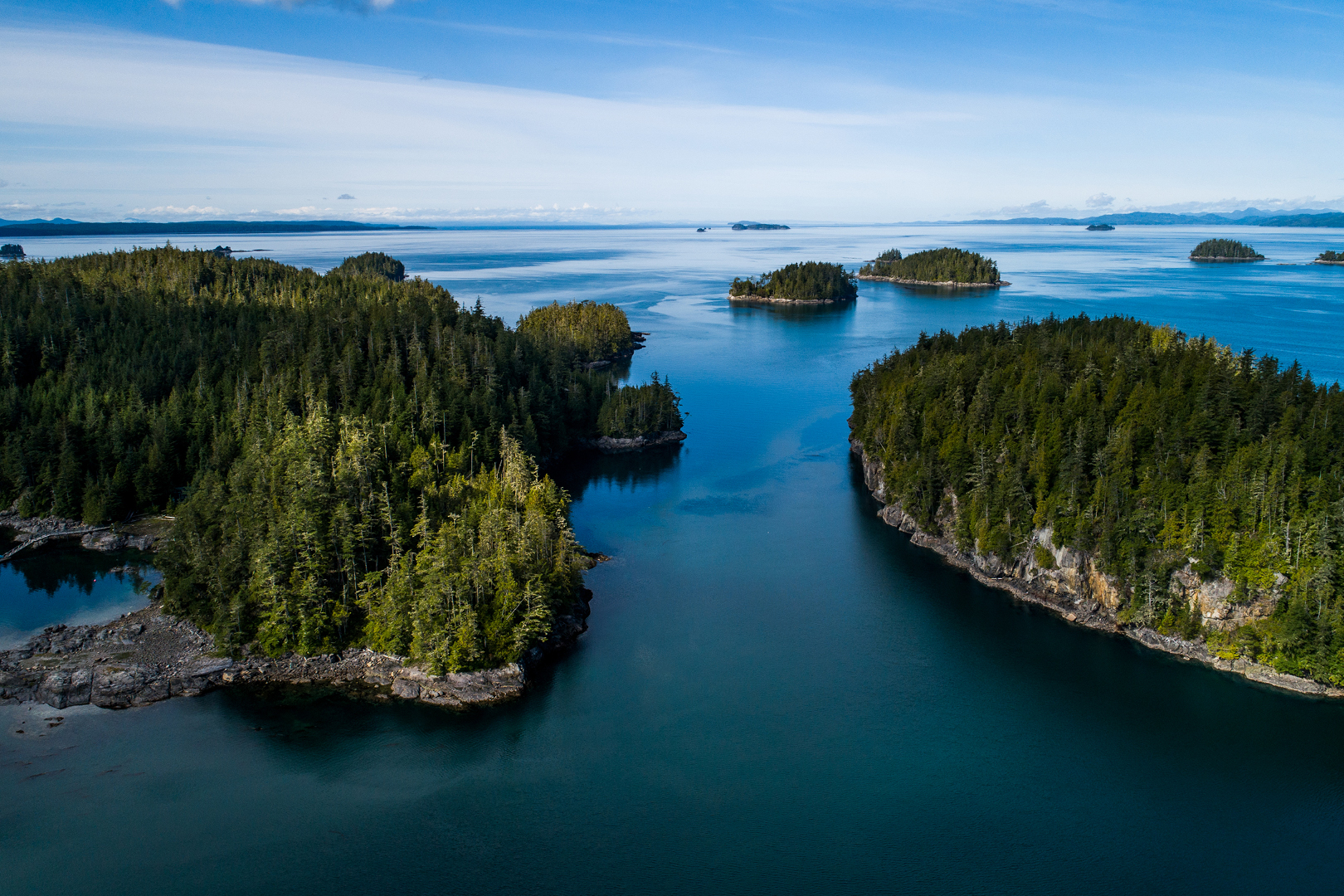
Mowi’s vision is to lead the Blue Revolution and unlock the ocean’s potential in a way that respects our planet. We depend on a healthy ocean, and safeguarding the environment where we grow our salmon is our top priority.

Healthy oceans are essential not only to ensure optimal conditions for our fish to thrive, but also to support climate resilience, enhance the ocean’s capacity to provide nutritious Blue Foods, and contribute to thriving communities worldwide.

Climate change and biodiversity loss are among the greatest environmental challenges facing the world today. As ecosystems continue to decline at an unprecedented rate, there is an urgent need to transform how we manage and protect nature. Businesses have an important role to play in safeguarding biodiversity and supporting the resilience of the ecosystems on which we all depend.

Mowi’s Biodiversity Strategy is an extension of our sustainability strategy. It reflects our commitment to protecting and restoring nature across our global operations. By integrating biodiversity considerations into our business practices, we aim to minimise our environmental footprint while contributing to healthier ecosystems for future generations.

Throughout our value chain, our operations are closely connected to the health of the natural environment, making it fundamental that we minimise our impact on the ecosystems on which we depend. This includes the marine resources used in our feed, the freshwater needed to produce salmon during their early life stages, and the responsible management of waste and resources to help protect the health of our oceans and the wider environment in which our fish thrive.

Marine resources

Protecting biodiversity also means considering how we use the resources within our oceans. Feed is an important part of salmon farming, which is why Mowi takes a responsible approach to sourcing its feed ingredients.

Contrary to a common misconception, farmed salmon actually eat less fish than wild salmon. Mowi uses around 0.56 kg of sustainably sourced wild fish to produce 1 kg of farm-raised salmon – a measure known as the Fish In, Fish Out (FIFO) ratio.

The fish used in feed, such as anchovies and sardines, are sourced in accordance with Mowi’s responsible sourcing requirements, with marine raw materials sourced from certified sustainable fisheries or fisheries involved in recognised improvement programmes.

Mowi is continually working to diversify the ingredients used in its feed, including exploring emerging and alternative feed ingredients that can reduce reliance on marine raw materials while maintaining the nutrition, health and welfare of our salmon. By 2030, Mowi aims to include 10-15% ingredients from emerging feed raw materials.

It’s one example of how protecting biodiversity requires us to look across the whole value chain – from the waters where our salmon are farmed to the ingredients that help them grow.

Freshwater availability

Freshwater is essential in the early stages of salmon farming, when we produce smolts before they are transferred to the sea. As a result, the majority of Mowi’s freshwater use takes place during the first stage of our salmon’s life.

Using water responsibly is a key part of our approach to sustainability. Circularity and resource efficiency are priorities for Mowi, and we continuously look for ways to reduce freshwater use, improve efficiency and return or reuse water wherever possible.

Mowi’s Recirculating Aquaculture Systems (RAS) allow water to be treated and reused repeatedly. Our investment in RAS technology is helping us significantly reduce the amount of new freshwater required to produce smolts. Our most modern RAS facilities operate with recirculation rates of up to 99%. In 2025, these facilities recycled more than 39 million cubic metres of freshwater, demonstrating how technology can help us make better use of this valuable resource.

We also recognise that responsible water management extends beyond farming. At our processing plants, we are working to improve water-use efficiency while maintaining the high hygiene standards essential to producing safe, high-quality food. Our current target is to reduce water intensity at processing plants located in areas of high overall water risk by 10% by 2030.

As leaders of the Blue Revolution, we will continue to invest in innovation, technology and responsible water management to reduce our impact on freshwater resources. By improving efficiency and increasing circularity across our value chain, we can make our business as sustainable as possible.

Waste reduction

Reducing waste is an important part of Mowi’s approach to protecting nature. Waste can directly impact ecosystems when it is not managed responsibly, particularly when it enters water bodies and the oceans, harming wildlife and biodiversity. Our approach is guided by the principles of a circular economy, with a focus on preventing waste wherever possible and maximising opportunities to reduce, reuse, recycle and recover materials across our operations.

We are working to turn waste into a resource by upcycling materials that would otherwise be discarded. At our processing plants, we aim to upcycle 100% of offcuts into new products by 2030.

Farming equipment, including nets, pens and feeding pipes, can also be reused or recycled. In 2025, 97% of Mowi’s farming equipment waste was recycled or reused, equivalent to 2,288 tonnes of equipment. Used netting can, for example, be transformed into polyamide filament for use in products such as textiles, furniture and automotive parts.

We are also reducing the amount of plastic we use through packaging redesign, material reduction and increased use of recycled content. These initiatives helped avoid at least 1,963 tonnes of plastic use in 2025.

In 2025, 60% of the solid waste generated across Mowi’s direct operations avoided disposal through reuse or recycling. Our ambition is to achieve zero solid waste to landfill from our direct operations by 2030.

By reducing waste at the source and keeping materials in circulation, we can make better use of natural resources, lessen our environmental impact, and help protect the ecosystems on which our business depends.

Together, these actions form an important part of Mowi’s approach to protecting biodiversity and using nature’s resources responsibly, helping us produce nutritious food from the ocean while supporting the ecosystems on which our business, our communities and future generations depend.

Other articles

See all articles

Oct 20, 2026

Sharing knowledge across the Value Chain

Sep 24, 2026

Supporting the communities where we live and work

See all articles

Close

Privacy Overview

This website uses cookies to improve your experience while you navigate through the website. Out of these, the cookies that are categorized as necessary are stored on your browser as they are essential for the working of basic functionalities of the ...

Necessary

Necessary

Always Enabled

Necessary cookies are absolutely essential for the website to function properly. These cookies ensure basic functionalities and security features of the website, anonymously.

Functional

Functional

Performance

Performance

Analytics

Analytics

Advertisement

Advertisement

Others

Others

SAVE & ACCEPT

Powered by CookieYes Logo

Prompts

Mowi ASA (ticker MOWI), listed in Norway.

ETFs Holding Mowi ASA

ETF Weight in ETF Shares Market value As of
CSNR 2.49% 122,903 $ 2.27M Jun 30, 2026
TURF 1.71% 145,638 $ 2.69M Jun 30, 2026
DSTX 0.70% 17,930 $ 331.222K Jun 30, 2026
CCNR 0.40% 79,475 $ 1.699M Jul 31, 2026
NTSI 0.04% 11,230 $ 207.452K Jun 30, 2026
DFAI 0.03% 233,683 $ 5.511M Nov 12, 2026
AVSD 0.02% 3,381 $ 79.322K Nov 16, 2026
DFSI 0.02% 9,808 $ 231.32K Nov 12, 2026
DFIC 0.01% 95,598 $ 2.255M Nov 12, 2026
AVDE 0.01% 75,632 $ 1.774M Nov 16, 2026
DFAX 0.01% 30,420 $ 717.451K Nov 12, 2026
DXIV 0.01% 577 $ 13.608K Nov 12, 2026