Kitron ASA is an Electronics Manufacturing Services company established in the early 1960s. It provides services across the entire value chain of electronics production, including development, design, industrialization, sourcing, manufacturing, logistics, and aftermarket services. The company delivers fully assembled electronic circuit boards and complete end products. Its core areas of expertise cover Connectivity, Electrification, Industry, Medical Devices, and Defence/Aerospace. Kitron operates manufacturing and service sites in Norway, Sweden, Denmark, Lithuania, Germany, Poland, the Czech Republic, India, China, Malaysia, and the United States. Notable subsidiaries and acquired entities include Kitron Technologies Inc., Kitron Electronics Manufacturing, Kitron Inc., UAB Kitron, UAB Kitron Elsis, BB Electronics, and DeltaNordic.

Summarised from the company's own disclosures, fiscal year ended Oct 2026

Industry Electrical Equipment & Parts Homepage kitron.com
Sector Industrials IR page kitron.com
Tags
electronics manufacturing, contract manufacturing, pcb assembly, system integration, medical devices, defence electronics, connectivity, industrial electronics, Kitron Technologies Inc., Kitron Electronics Manufacturing, Kitron Inc., UAB Kitron, UAB Kitron Elsis, BB Electronics, DeltaNordic, Sonec ASA, API Technologies Corp., Statronic, Electric Bureau, Kongsberg Gruppen, Ericsson, Bofors, Saab, CellaVision
Press page kitron.com/newsroom

Metrics

Valuation  
Market cap NOK 19.268B
Market cap (USD) $ 1.993B
P/E —
PEG —
P/BV —
P/S —
P/OCF —
P/FCF —
Dividend yield —
Turnover / mcap —
Returns  
ROE 14.6%
ROI 9.7%
ROIC 11.7%
Profit margin 4.3%
Growth  
Revenue growing No
Profits growing No
Revenue up 3y No
Revenue up 5y —
Earnings growth 3y (net profit CAGR) 22.3%
Quality  
Profitable Yes
Margin expanding No
Buying back stock No
Diluting (TTM) No
Debt/Equity —
Podcast bulls (TTM) Sign up
Podcast bears (TTM) Sign up
Podcast sentiment (TTM) Sign up
Podcast sentiment % (TTM) Sign up
News sentiment (TTM) 0
Quality score —
Insiders  
Buys, 1w Sign up
Buys, 1m Sign up
Buys, 1y Sign up
Sells, 1w Sign up
Sells, 1m Sign up
Sells, 1y Sign up

Sign up to see this company's insider trades

Figure FY 2024 FY 2023 FY 2022 FY 2021
Revenue 647.2M 775.2M 641M 371.599M
Net profit 28M 51.1M 28.3M 15.303M
Free cash flow 34.4M 42.6M 8.5M 8.044M

Sign up to see institutional holdings

Sign Up

Podcast Mentions

Sign up to see podcast mentions and sentiment

Sign Up

07 October 2026 Insight into Technology

As products become more complex, ensuring that every assembly meets the required quality standard becomes increasingly challenging. In High-Level Assembly (HLA), a product may contain dozens of screws, labels, and identification points that need to be verified before it moves to the next stage.

Manual inspection of these points can be time-consuming and dependent on operator experience. Missing a screw, incorrect screw condition, wrong label, or unreadable barcode can result in rework, production delays, or quality issues further downstream.

To address these challenges, the Kitron Global Automation Team developed an Automated Optical Inspection (AOI) Machine for HLA, combining robotic handling, advanced vision inspection, and MES connectivity into one automated solution.

The machine is designed to provide consistent inspection, identify defects early, and create a digital record of every inspected product.

How Does It Work?

The process starts with the operator loading the product into the inspection area. The system identifies the product and automatically selects the corresponding inspection recipe.

A robotic system then moves the vision system through predefined inspection points, capturing images of the required areas with consistent positioning and repeatability.

The vision system analyzes each inspection point against the defined acceptance criteria. Depending on the product recipe, the machine can verify screw presence, screw condition and protrusion, label information, barcode readability, and other defined visual characteristics.

The inspection results are evaluated automatically, and the product is classified as pass or fail. If an issue is detected, the system alerts the operator for further action.

All relevant inspection and identification data can be transferred to the MES, creating traceability for each product and reducing the need for manual data entry.
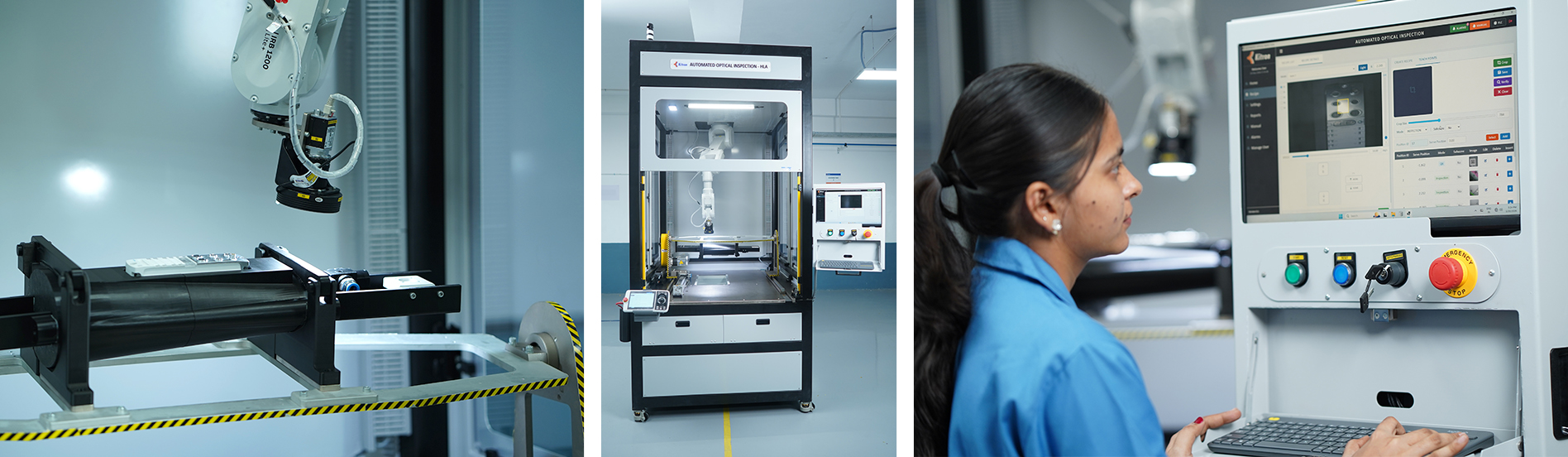
Key Features & Benefits

Robotic Inspection

The robotic inspection system provides repeatable movement across multiple inspection locations, ensuring every product is inspected using the same defined process while reducing operator dependency.

Advanced Vision Inspection

The vision system performs multiple checks within the same inspection cycle, including screw presence, screw protrusion, label verification, barcode reading, and other product-specific visual inspections. This helps identify defects before they progress further in the production process.

Flexible & Expandable Inspection

The inspection platform is designed to evolve with changing HLA product requirements. Additional inspection points and new inspection criteria can be added as new products or quality requirements are introduced.

The vision system also provides the flexibility to integrate and train new inspection models and algorithms for different applications, enabling the machine to support future inspection requirements without redesigning the complete system.

This makes the platform adaptable for a wider range of HLA products while providing a foundation for continuous improvement in automated inspection.

Recipe-Based Inspection

Different products can be supported through dedicated inspection recipes. The system automatically applies the relevant inspection parameters based on the identified product, enabling faster product changeover and consistent inspection standards.

MES Connectivity & Traceability

Inspection results, barcode information, and product status can be transferred to the MES, creating a digital inspection record for each product and reducing manual data entry.

Integrated Safety

Safety features such as light curtains and door interlocks help protect operators by stopping the machine when access to the inspection area is detected.

Where a process is repetitive, manually intensive or difficult to keep consistent, automation is usually worth a closer look. Kitron’s Global Automation Team develops solutions on our own production lines and standardises them across our sites, so what is proven on one product line can be applied to yours as volumes grow. It is part of how we support customers from industrialisation through to serial manufacturing in a low-volume, high-mix environment, with the capacity and lead times the schedule demands.

Tell us about the process you would like to improve: get in touch .

Like this story?

Share it on social media!


Blog Next

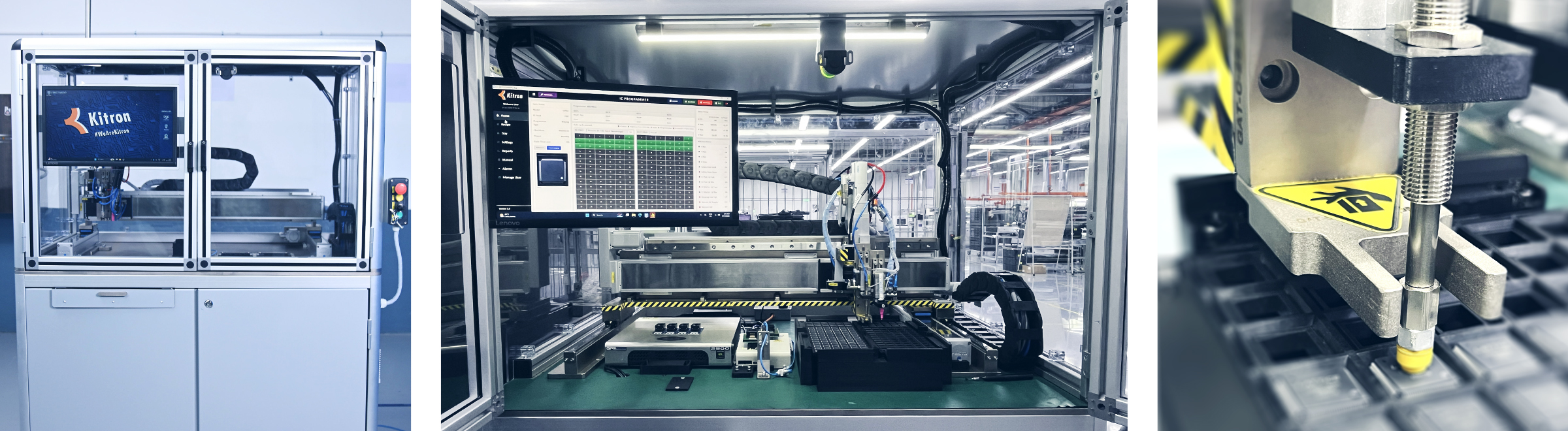
Automated IC Programming: Preventing Errors Before They Reach Production
×

Subscribe Our Blog

Type your email and be the first to get insights into Kitron's technology and innovation. You can cancel your subscription anytime.

Submit Form

Thank you!

×

Subscribe

Let‘s keep in touch

Sign up for latest press releases or stock market announcements

Subscribe arrow

Terms & conditions Privacy policy Cookie policy Contact us

© Kitron ASA 2018-2026

Cookies agreement

Our cookie policy

This website uses cookies to optimize your experience. By closing this message, you agree to our use of cookies. Learn more about cookies by visiting our privacy page .

Accept all Reject all
15 September 2026 Cases of Success

At Kitron, we provide top-quality electronics manufacturing services (EMS) for industries that demand precision, reliability, and strict regulatory compliance – including the medical device industry.

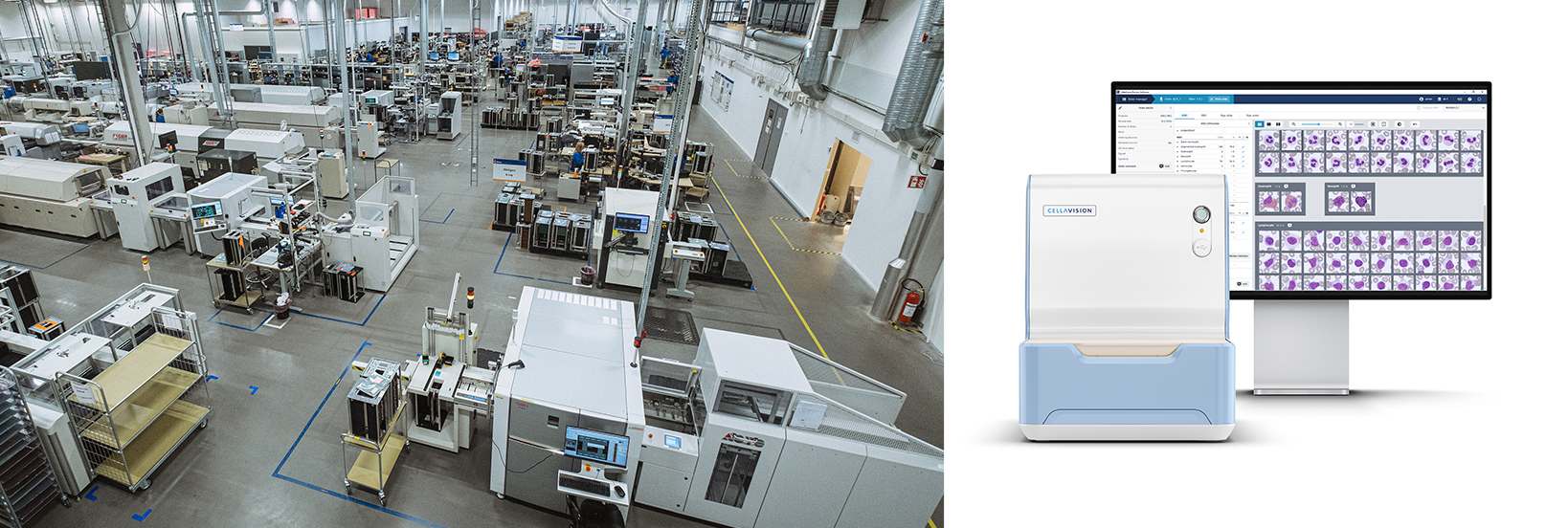
In this sector, we support CellaVision® , a global leader in digital hematology microscopy, by providing reliable electronics manufacturing, high‑level assembly, and advanced solution development for blood analysis.

Innovative Solutions Driven by a Successful Partnership

Our collaboration with CellaVision began in 2011 at Kitron Sweden in Jönköping. Since then, we have partnered closely to advance CellaVision’s mission to transform hematology diagnostics through innovation.

Founded in Sweden in 1994, CellaVision set out with a clear mission: to simplify, standardize, and digitize the manual analysis of blood cells in hematology laboratories. Today, their solutions automate workflows and advance diagnostic certainty across a wide range of labs, handling human and veterinary blood and body fluid samples with cutting‑edge technology.

CellaVision’s analyzers feature advanced optical and mechanical solutions, while Kitron contributes its expertise in electronics manufacturing, including PCB assembly and testing. Over time, our partnership has grown to encompass not only manufacturing but also warehousing, storage management, and direct shipping of finished products to CellaVision’s customers worldwide. This synergy enables us to deliver robust, high‑performance medical devices that meet global standards.

We are proud to stand as a trusted partner to CellaVision, backed by strong and unwavering competence in medical device manufacturing, delivering solutions that meet the most demanding market requirements.

A Milestone in the Partnership

A significant milestone of this partnership was the launch of the CellaVision® DC‑1 model in 2018 – a compact analyzer designed for smaller labs and point‑of‑care settings. The CellaVision DC‑1 analyzer can be used as a stand‑alone system in a small independent lab or in the satellite labs of a distributed laboratory network.

To perform a differential, a thin film of blood is spread on a barcoded glass slide and stained with a Romanowsky* staining solution. During slide processing, the analyzer automatically locates, digitally captures, and pre‑classifies cells, after which the operator verifies and/or modifies the suggested classification if necessary.

This project demonstrated our capability to handle high‑complexity products and deliver on time, reinforcing the strength of our collaboration.

Summary

The cooperation between Kitron and CellaVision demonstrates how strong partnerships can drive progress in healthcare technology. By combining CellaVision’s expertise in digital microscopy with Kitron’s manufacturing excellence, we continue to deliver solutions that make a difference in laboratories around the globe.

Learn more about CellaVision's digital hematology solutions at www.cellavision.com.

*The Romanowsky-type staining method widely used in hematology and cytology to color blood and bone marrow smears.

Like this story?

Share it on social media!


Blog Prev

Automated IC Programming: Preventing Errors Before They Reach Production

Blog Next

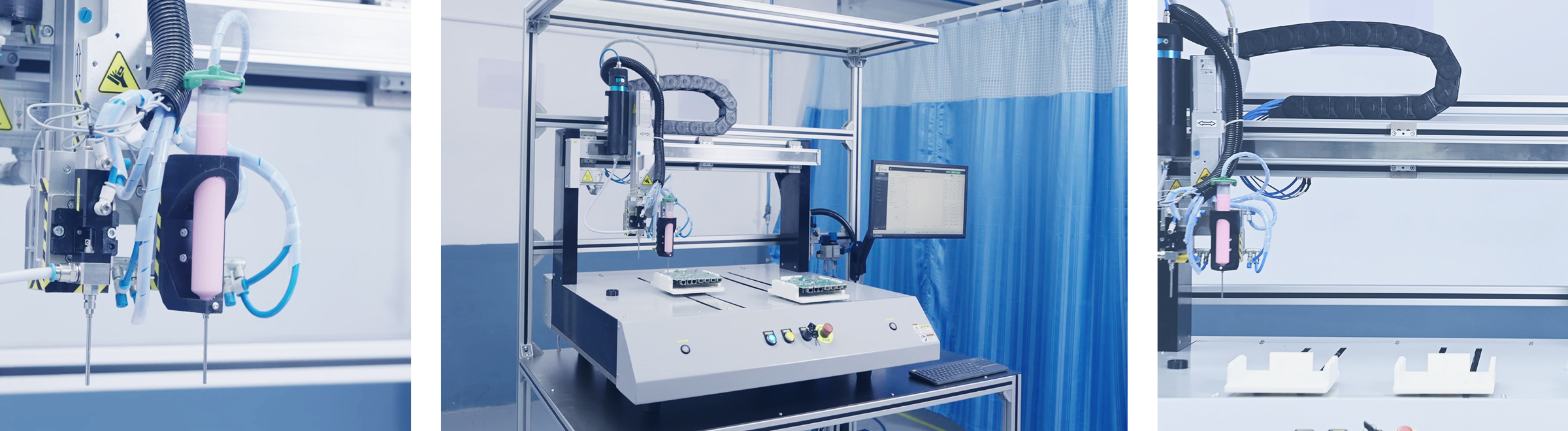
Automatic Tabletop Dispensing Machine: Advancing Flexible Manufacturing Automation

×

Subscribe Our Blog

Type your email and be the first to get insights into Kitron's technology and innovation. You can cancel your subscription anytime.

Submit Form

Thank you!

×

Subscribe

Let‘s keep in touch

Sign up for latest press releases or stock market announcements

Subscribe arrow

Terms & conditions Privacy policy Cookie policy Contact us

© Kitron ASA 2018-2026

Cookies agreement

Our cookie policy

This website uses cookies to optimize your experience. By closing this message, you agree to our use of cookies. Learn more about cookies by visiting our privacy page .

Accept all Reject all
Prompts

Kitron ASA (ticker KIT), listed in Norway.

ETFs Holding Kitron ASA

ETF Weight in ETF Shares Market value As of
SEIE 0.14% 146,628 $ 1.581M Jun 30, 2026
AVDS 0.08% 31,264 $ 290.019K Nov 16, 2026
DFIS 0.06% 379,933 $ 3.681M Nov 12, 2026
AVSD 0.02% 8,482 $ 78.683K Nov 16, 2026
DFSI 0.02% 20,216 $ 195.847K Nov 12, 2026
DFIC 0.01% 169,127 $ 1.638M Nov 12, 2026
AVDE 0.01% 143,968 $ 1.336M Nov 16, 2026
DFAI 0.01% 144,466 $ 1.4M Nov 12, 2026
DFAX 0.01% 83,732 $ 811.174K Nov 12, 2026
DXIV 0.00% 115 $ 1,114.09 Nov 12, 2026