As expected, order intake declined to €7.7 billion following substantial order extensions received by Marine Systems in the prior-year quarter Compared with Q3 of 2024/2025, sales increased by 8 percent to €8.8 billion; positive trends at Materials…
-
As expected, order intake declined to €7.7 billion following substantial order extensions received by Marine Systems in the prior-year quarter
-
Compared with Q3 of 2024/2025, sales increased by 8 percent to €8.8 billion; positive trends at Materials Services, Steel Europe and Marine Systems especially
-
Adjusted EBIT increased to €183 million (prior-year quarter: €155 million); significant performance improvements at Steel Europe, Materials Services and Marine Systems
-
Forecast target corridor for adjusted EBIT and net income narrowed upward; upper end of sales forecast refined; free cash flow before M&A confirmed
-
Targeted implementation of the ACES 2030 strategy program: Approval obtained from thyssenkrupp AG shareholders for the spin-off of tk accelis (Materials Services segment), sale to Salzgitter of the interest in HKM completed in July
-
CEO Miguel López: “thyssenkrupp is continuing to grow its operational strength and strategic clarity.”
Despite the still challenging market conditions, thyssenkrupp continued to improve its operational performance in the 3rd quarter of fiscal year 2025/2026. At the same time, the group resolutely drove ahead with its realignment under the ACES 2030 strategy program.
As expected, order intake was below the high prior-year level that had resulted especially from a substantial order extension received by Marine Systems. Sales were above the prior-year quarter due to factors including higher demand. Adjusted EBIT also improved compared with the prior-year quarter. This development was buoyed by the APEX performance program. On this basis, the group narrowed the full-year forecast range for adjusted EBIT and net income upward. The upper end of the sales forecast was refined. The outlook for free cashflow before M&A was confirmed without change.
thyssenkrupp is continuing to grow its operational strength and strategic clarity. We are raising our performance and continuously improving our earnings. At the same time, we keep driving forward with the implementation of our transformation course. The planned stock market listing of tk accelis, the progress in restructuring Steel Europe and the strong position of TKMS are evidence that our future model is not only taking shape but is also having an impact as we establish strong, independent segments with clear, strategic perspectives under the umbrella of a lean financial holding company. In this way, we are providing attractive future prospects for our employees and facilitating our shareholders’ direct participation in value creation – we will consistently pursue this course.
Miguel López
CEO of thyssenkrupp AG
Key indicators of the thyssenkrupp group in the 3rd quarter of 2025/2026
Order intake in the 3rd quarter (April to June) amounted to €7.7 billion, which was below the prior-year figure of €10.1 billion. The main reason for this was the order extension of two further submarines for Southeast Asia received in the prior-year quarter and the conclusion of a major service order for the German Navy at Marine Systems. At Automotive Technology, falling demand in the automotive original equipment business and the structural effect caused by the sale of the core business of Automation Engineering resulted in lower order intake. Order intake was below the prior year at Decarbon Technologies as well, due to deferrals by customers of chemical plant engineering projects. By contrast, positive trends were seen at Materials Services because of higher volumes and prices and at Steel Europe because of factors including a year-on-year increase in volumes sold to industrial, trade and automotive customers.
Group sales increased to €8.8 billion (prior-year quarter: €8.2 billion). Materials Services benefited from higher volumes and increased prices, especially in the North American distribution business and the international trading business. Steel Europe also recorded an increase in sales. Sales of Marine Systems increased due to the progress achieved in new construction projects and the marine electronics business in particular. By contrast, sales of Automotive Technology and Decarbon Technologies were below the prior-year level as a consequence of lower order intake.
Compared with the prior year, adjusted EBIT improved by €28 million to €183 million. Although its sales revenues remained lower, Steel Europe again made the largest contribution to earnings, mainly due to positive effects from the restructuring and APEX programs and raw material cost benefits. Materials Services likewise posted significant earnings growth and benefited from the positive effects from the restructuring and APEX programs as well as from higher prices and volumes. Marine Systems improved adjusted EBIT thanks to further progress in new construction projects and the marine electronics business. By contrast, lower earnings at Automotive Technology had a negative impact and were due to higher special freight charges as well as lower volumes. At Decarbon Technologies, the decline in sales and project-related additional costs in cement plant engineering resulted in lower earnings in the negative range.
Overall, thyssenkrupp posted net income of €34 million in the 3rd quarter. The year-on-year change (prior year: €(255) million) was attributable to factors including a positive accounting effect of €131 million at Steel Europe in connection with the sale of the interest in Hüttenwerke Krupp Mannesmann (HKM). Net income after deducting minority interest was €0 million (prior year: €(278) million); earnings per share came to €0.00 (prior year: €(0.45)).
As of June 30, 2026, total equity improved to €10.9 billion (March 31, 2026: €10.3 billion). Among the contributing factors was a positive measurement effect of around €0.5 billion relating to the investment in TK Elevator in connection with the planned sale to Kone. The equity ratio stood at a comfortable 37 percent.
Free cash flow before M&A amounted to €(114) million (prior year: €(227) million) and improved mainly due to higher earnings contributions and further planned government grant payments in connection with the direct reduction plant for Steel Europe.
As of June 30, 2026, net financial assets were €2.6 billion (March 31, 2026: €2.8 billion). They included cash inflow in the high double-digit million euro range from the sale to the Italian Arvedi Group of the remaining 15-percent investment in Acciai Speciali Terni S.p.A. that was completed in June. Available liquidity (cash and cash equivalents and undrawn committed credit lines) stood at €5.3 billion. It included a cash credit line of €1.7 billion arranged with an international bank consortium in June.
**Group forecast for fiscal year 2025/2026
**Notwithstanding the persistently challenging market environment, thyssenkrupp has narrowed the group forecast for fiscal year 2025/2026. It has narrowed the range for adjusted EBIT upward and now expects a figure between €600 million and €900 million (previously: between €500 million and €900 million) for the group. Net income is expected in a range between €(700) million and €(400) million (previously: €(800) million to €(400) million). Group sales are expected in a range of (3) percent to (1) percent compared with the prior year (previously: (3) percent to 0 percent). thyssenkrupp continues to forecast free cash flow before M&A at between €(600) million and €(300) million.
The figures show that our performance improvement measures are working. This is underscored by the fact that we have narrowed our adjusted EBIT forecast upward – especially in light of the still challenging market environment. Moreover, the new credit line ensures our additional financial headroom for the further transformation of the group.
Dr. Axel Hamann
CFO of thyssenkrupp AG
**Strategic performance in the 3rd quarter of 2025/2026
**thyssenkrupp continues to work on transforming the group by implementing the ACES 2030 future model. The focus is on the transition of thyssenkrupp AG to a financial holding company that serves as the umbrella for strong and independent companies.
Automotive Technology continues to press ahead with its transformation in a challenging market environment. The segment has initiated new structural measures with the planned focusing of the US production network and the realignment of its development activities in Hungary. In this way, Automotive Technology is adjusting its structures and capacities in a targeted manner to reflect changed customer requirements, volume trends and cost structures. At the same time, the restructuring and operational improvement measures that have been implemented are making a key contribution to strengthening competitiveness and sustainably improving earnings performance.
Decarbon Technologies is continuing to focus its business activities on efficiency, scalability and future viability. With a new international holding structure and the REnew initiative, Rothe Erde is strengthening global management, reach and collaboration. Uhde is reinforcing its position as a technology partner with an offering that ranges from licensing to the planning, procurement and construction of entire plants. New orders for the early-stage technical planning of a large-scale green ammonia project in Brazil and a green ammonia project in India underscore the company’s expertise in sustainable ammonia solutions. Polysius focuses on technology, process and life cycle solutions to improve the efficiency and performance of industrial plants. With the CI4C Pure Oxyfuel plant in Mergelstetten, the company also demonstrated a key carbon capture technology for the cement industry. The newly spun-off company thyssenkrupp Calvion consolidates the decarbonization business and is working to develop technologies such as Pure Oxyfuel through to industrial maturity. thyssenkrupp nucera agreed on a strategic collaboration with Bharat Heavy Electricals Limited (BHEL) for the stepwise localization of electrolyzer module production in India.
Materials Services is very focused on preparing for independence. Since June, the segment has been operating under the new brand “tk accelis” – an expression of its transition from a pure materials distributor to an integrated supply chain service provider. Having obtained the approval of the shareholders of thyssenkrupp AG to spin off a minority stake, the listing of tk accelis Group AG & Co. KGaA in the Prime Standard of the Frankfurt Stock Exchange is planned for the current calendar year. The first separate Capital Markets Day was held in July to present the independent company and its prospects. In strategic terms, the segment has continued to increase its copper processing capacities in North America. Moreover, tk accelis opened its first site in Japan to provide customers with solutions facilitating resilient supply chains.
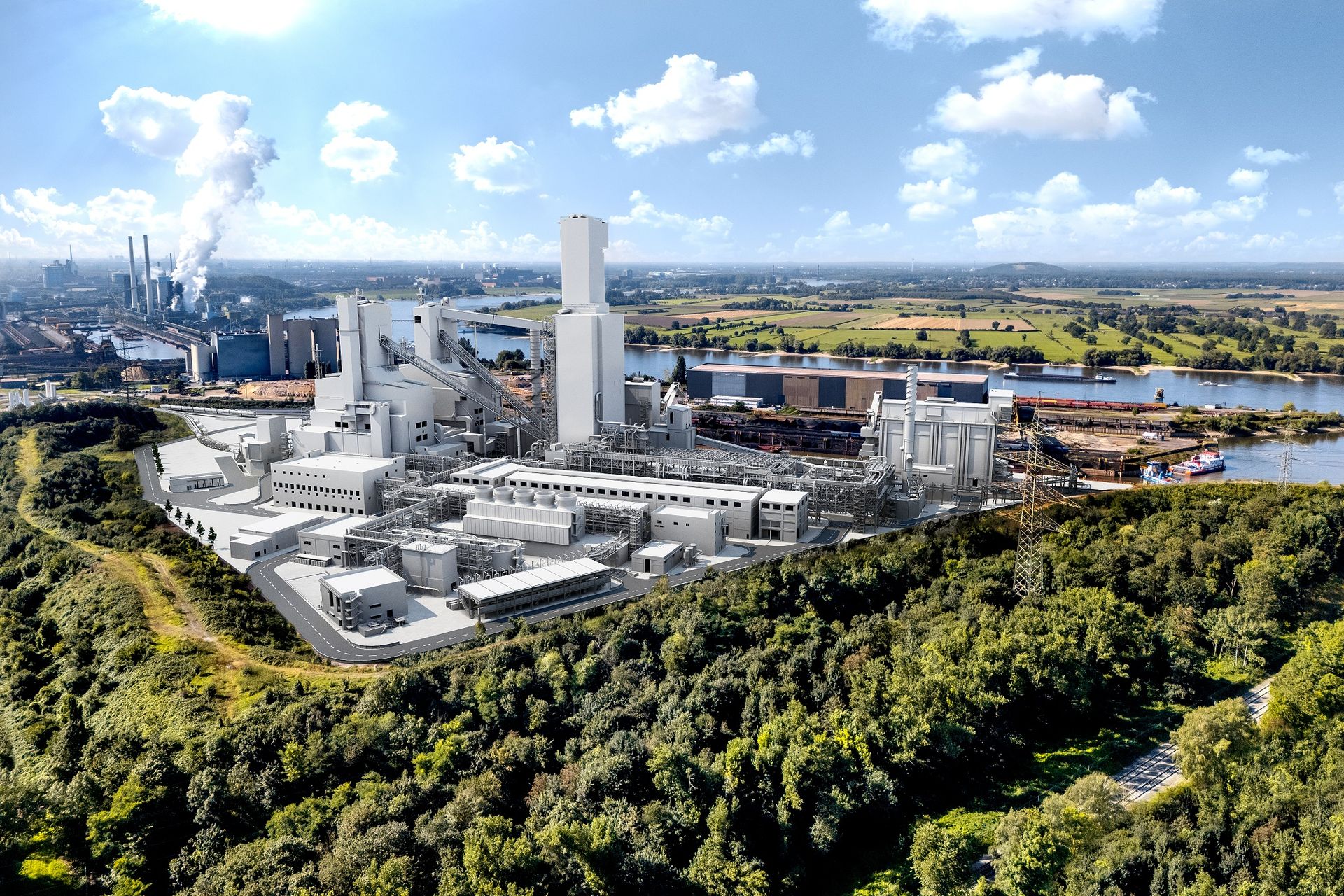
Steel Europe is continuing its strategic realignment as planned. A key milestone on this path was achieved with the sale of the interest in HKM to Salzgitter AG. Following damage by fire, trial operation of the new hot strip mill 4 in Duisburg was resumed successfully in the last quarter. The construction of the direct reduction plant in Duisburg is progressing. On the regulatory level, the stronger trade safeguards for steel products implemented by the European Union in July are boosting the efforts to ensure fairer competitive conditions for Europe’s steel industry.
At the same time, thyssenkrupp Steel is advocating with other leading European steel producers for reform of the EU emissions trading system (EU-ETS). The goal is to establish a regulatory framework that secures the competitiveness of Europe’s steel industry and supports investment in decarbonization. In order to provide investors and analysts with transparent insights into the business’s economic development and progress in its strategic realignment, thyssenkrupp Steel Europe is planning a Capital Markets Day at the end of September. The stated strategic objective remains the spin-off of thyssenkrupp Steel Europe, with thyssenkrupp AG possibly holding a minority stake.
TKMS (Marine Systems segment) is continuing its successful course as an independent company, delivering an impressive performance. As of June 30, 2026, the order backlog remains at a historically high level of more than €20 billion. Moreover, in July 2026, TKMS achieved major success in two strategically important programs. First, TKMS was selected as a preferred supplier for Canada’s submarine program. This covers the delivery of twelve 212CD submarines and, upon final signature, would be the largest single order in the history of TKMS. Second, also in July, a contract was signed with the German Navy for the procurement of four TKMS MEKO® A-200 DEU frigates, with an option for a further four, making this the largest surface vessel order in the history of TKMS. TKMS is continuing to explore a strategic collaboration with Spanish company Navantia S.A. in respect of marine projects in Europe and elsewhere in the world.
Click here
for the current interim report.
Contact for Media
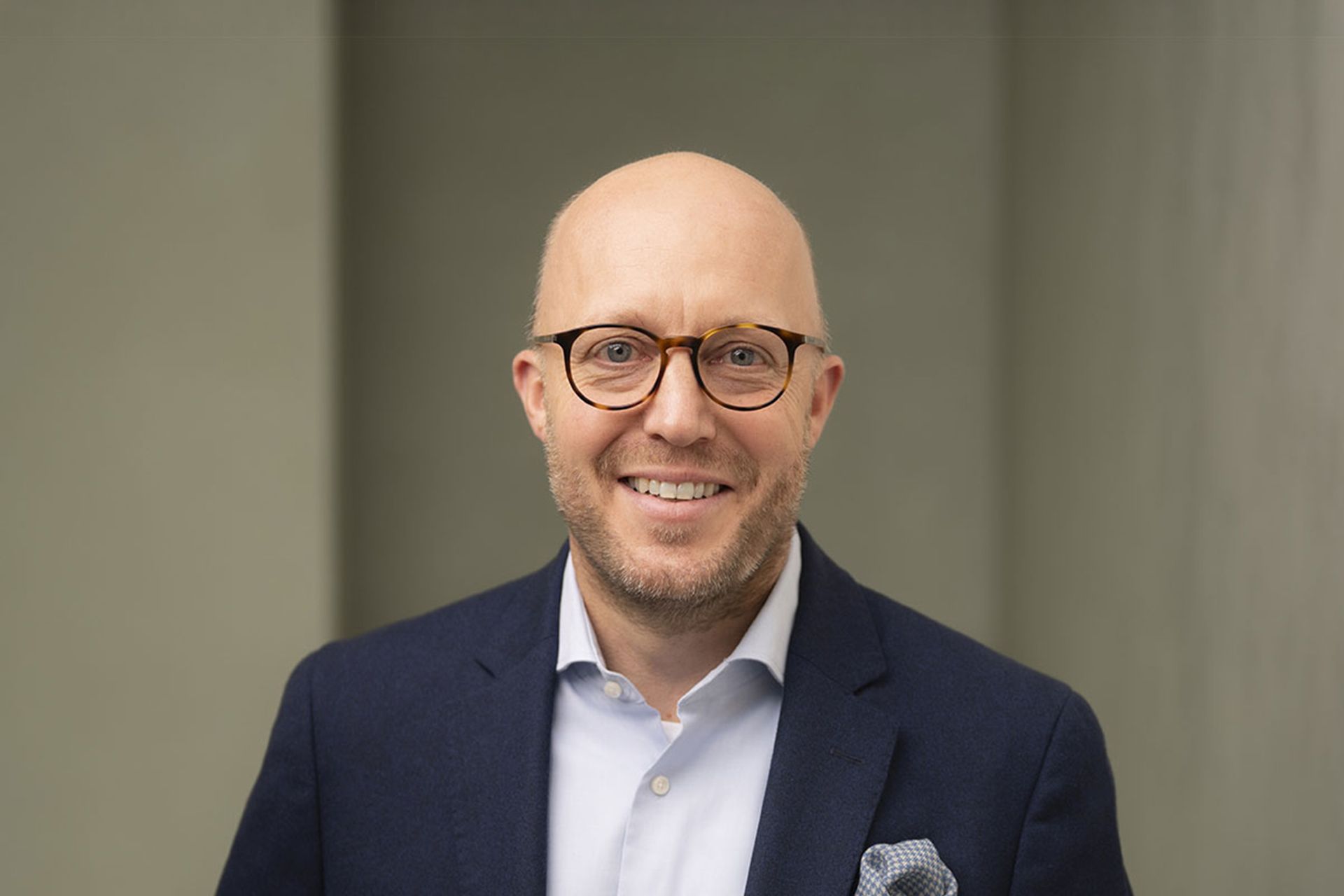
thyssenkrupp AGLeif Erichsen
Head of External Communications and Governmental Affairs
Telephone [+49 1520 8065511](tel:+49 1520 8065511)
Send Email
LinkedIn
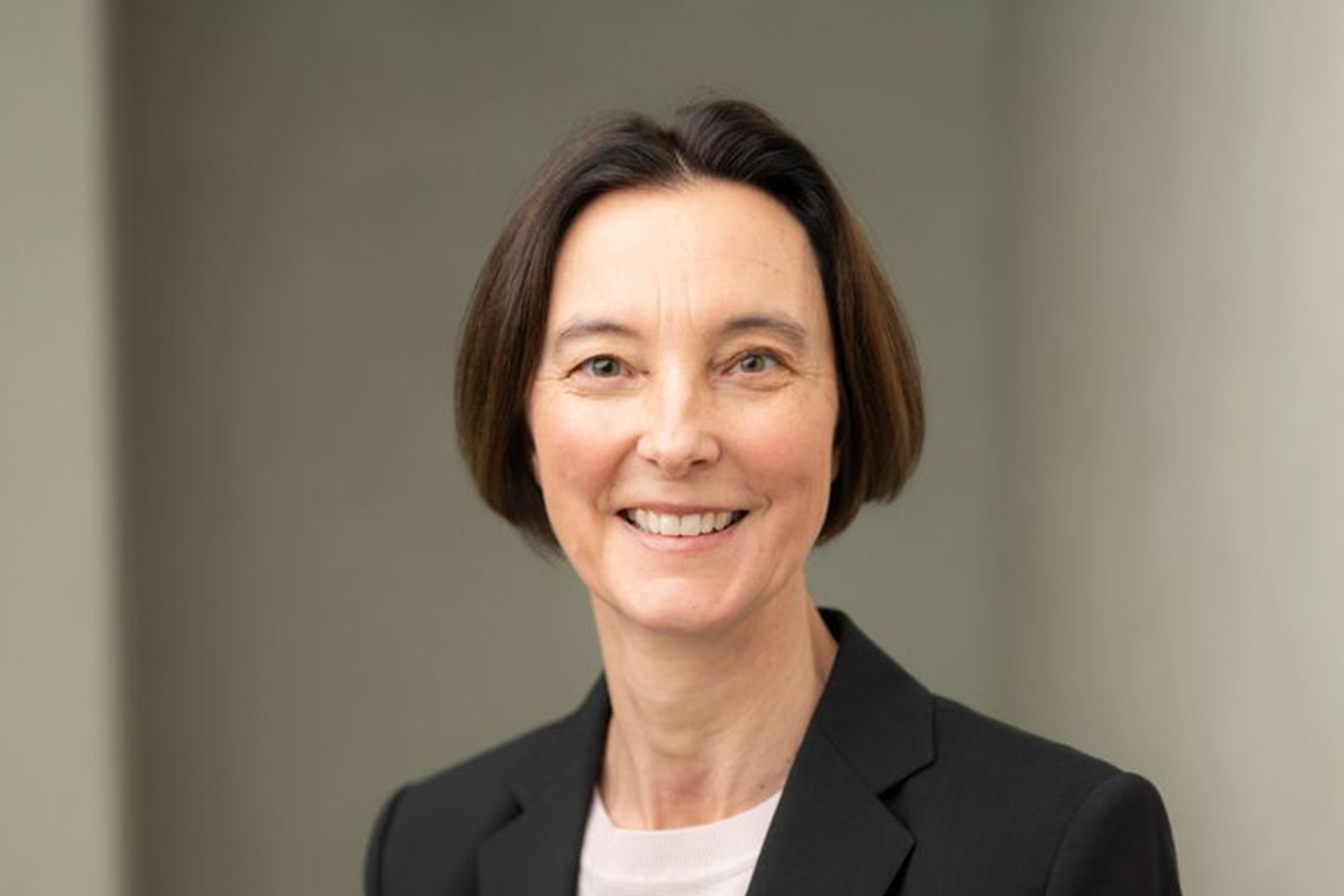
thyssenkrupp AGNicola Röttger
Press spokesperson Financial and Business Topics
Telephone [+49 201 844 536481](tel:+49 201 844 536481)
Send Email
LinkedIn
Contact for Investors
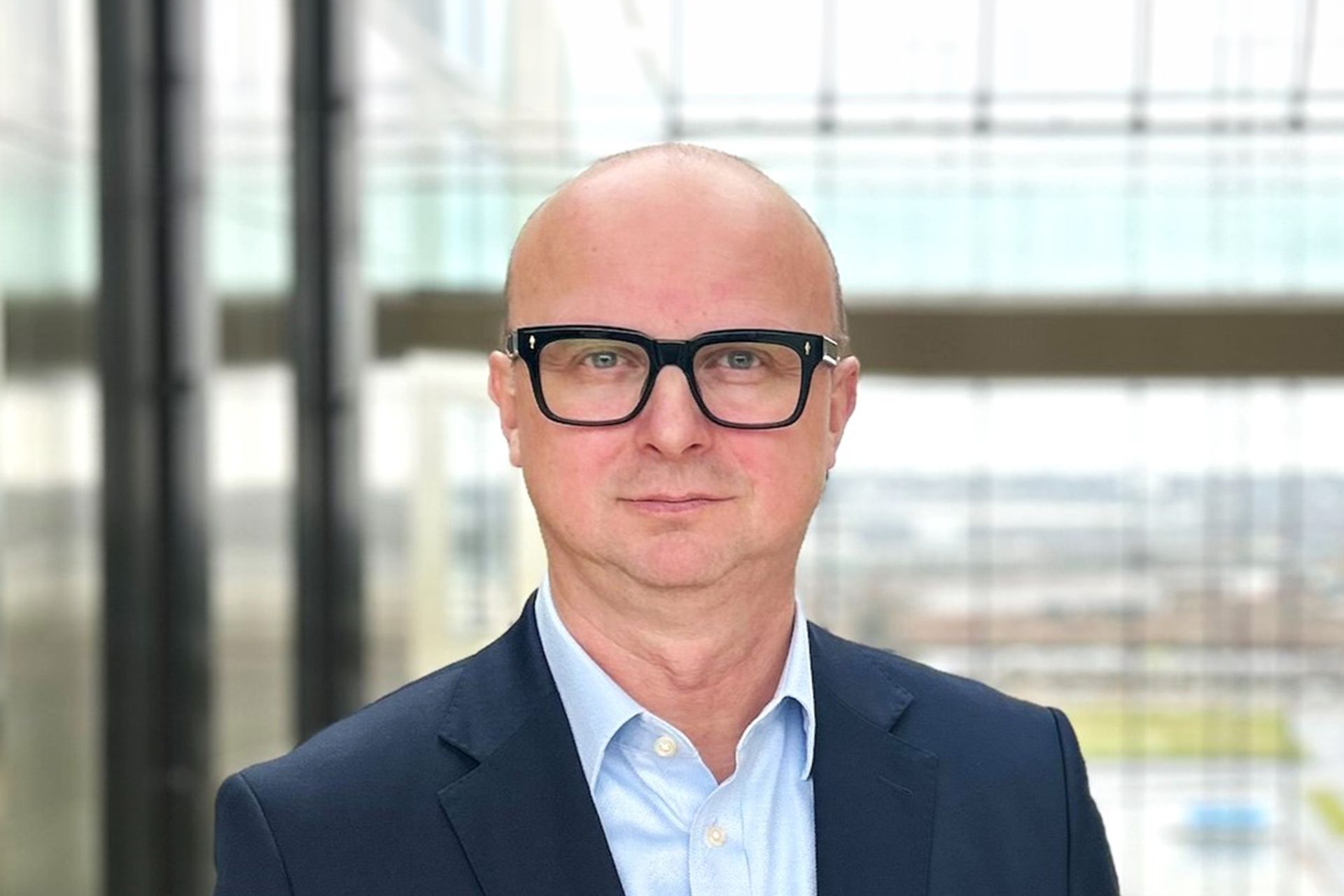
thyssenkrupp AGAndreas Trösch
Head of Investor Relations
Telephone [+49 201 844 536464](tel:+49 201 844 536464)
Send Email
Download
Download the press release
Share this press release
Discover thyssenkrupp
Definitive grant notice strengthens the ongoing tkH2Steel decarbonization project
View press release
View press release

tk accelis makes its stock market debut: One of the leading materials distributors and service providers steps into independence
View press release
View press release
European industry leaders set out roadmap to make EU clean hydrogen value chain investments a reality
View press release
View press release
Find all the latest news
from thyssenkrupp here
Visit thyssenkrupp´s Newsroom
Back to top

© 2026 thyssenkrupp AG